*Photo Credit : MAP
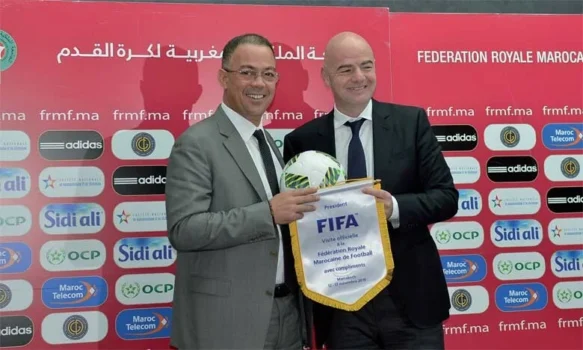
In a move that underscores its deepening influence in the world of football governance, Morocco has secured four high-level positions on FIFA committees, a development that signals the Kingdom’s growing stature in global and African football circles.
Positioning Morocco at the Heart of FIFA’s Decisions
This is not merely a ceremonial win. For Morocco, these committee seats are gateways into the core of decision-making: shaping policies, influencing allocation of tournaments and funding, and contributing to the sport’s direction at the highest level.
Over recent years, Morocco has invested heavily in infrastructure (stadiums, training centers) and in programs targeting youth, women’s football, and continental cooperation. The new appointments can help turn those investments into strategic leverage, enabling more direct participation in setting FIFA’s agenda.
Related: FIFA’s 64-Team Proposal for the 2030 World Cup: What It Could Mean for Morocco
Strategic Significance for Morocco
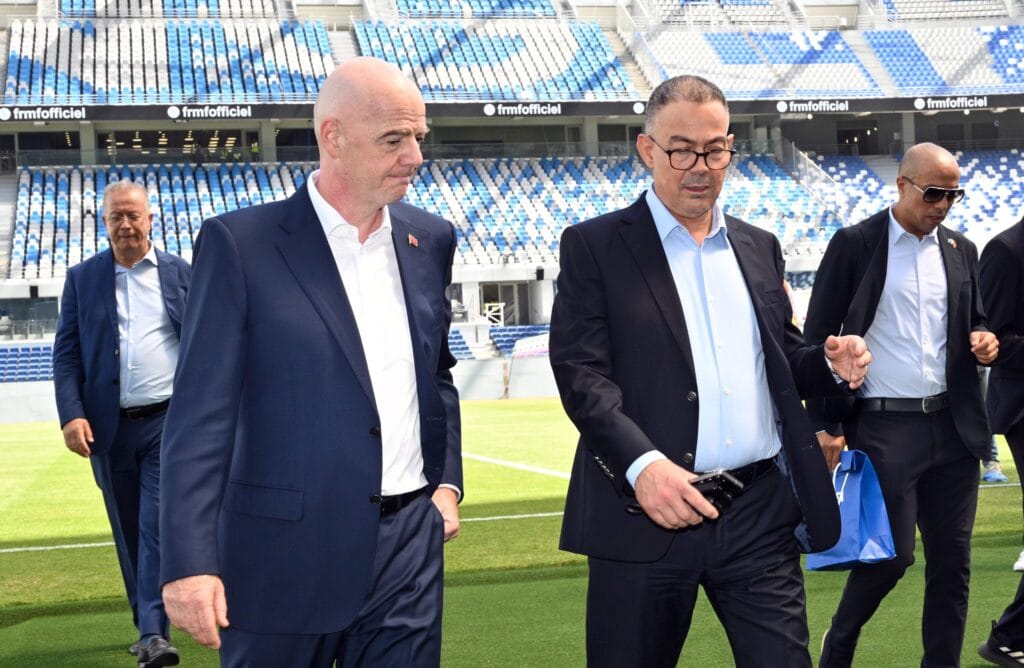
- Representation counts: Sitting at the table in FIFA’s committees gives Morocco formal weight when key issues (like tournament scheduling, development funding, and regulation reforms) are debated.
- Africa sports diplomacy: Having Moroccan voices in global committees reinforces the country’s role in African football diplomacy. It opens paths for regional partnerships, joint bids, and the promotion of North Africa as a football hub.
- Soft power through sport: This is part of a broader national strategy of advancing Morocco’s image globally through successful hosting of tournaments, high-level sports diplomacy, and infrastructure excellence.
- Continuity & trust: FIFA President Gianni Infantino has publicly praised Morocco’s commitment to modern infrastructure, youth development, and women’s football, a relationship of trust that likely smoothed the path to committee inclusion.
Turning Seats Into Real Influence
Of course, with greater access comes greater expectations. The Moroccan representatives will have to delive, not just as symbols, but as active contributors and coalition builders. They must navigate internal politics of FIFA, build alliances, and ensure their voices translate into real outcomes for Moroccan and African football alike.
Moreover, sustaining influence requires more than seats: consistency in performance, credibility in contributions, and ongoing engagement with both domestic football communities and the international governance ecosystem.
Related: Motsepe Confirms: Morocco the First and Only Choice to Host AFCON 2025
Beyond the Committees: A National Strategy
This achievement is emblematic of Morocco’s broader ambition: to manifest leadership in sport, culture, and regional influence. It strengthens the narrative that African nations should not merely be participants, but shapers of global agendas.
For MoroccoBeat readers, this development goes beyond a headline. It is a marker of evolving power: when a nation that once mostly competed on the pitch is now stepping into roles that set the rules of the game itself.