Estimated reading time: 4 minutes
Introduction
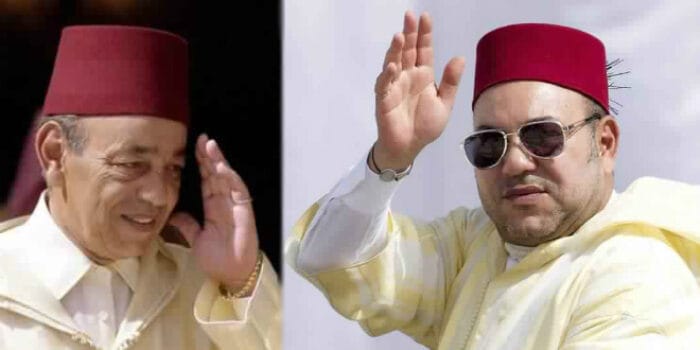
When His Majesty the late King Hassan II first envisioned Morocco as a FIFA World Cup host, it was an ambitious dream for a continent that had yet to welcome the world’s biggest stage. Today, that aspiration has matured into a global reality. Initiated by His Majesty King Mohammed VI, Morocco is now set to co-host the 2030 FIFA World Cup alongside Spain and Portugal.
This moment is remarkable as a sporting achievement, while also exemplifying Morocco’s large-scale investment in infrastructure, influence on the global diplomatic scale and ultimately love for the sport of football.
Morocco’s World Cup Journey: From Vision to Reality
For many years, Morocco has put forward World Cup bids — in 1994,1998, 2006,2010 and 2026. Although Morocco’s previous submissions were unsuccessful, they have established Morocco as a legitimate candidate and demonstrated the will of the kingdom.
King Hassan II first planted the seed of this ambition, believing that Morocco could act as a portal between Africa and Europe; uniting cultures through football. This vision was realized under King Mohammed VI, whose modernization initiatives provided the foundation for this accomplishment.
King Mohammed VI’s Role in Making the Dream Come True
Since coming to power in the early 2000s, King Mohammed VI has initiated mega infrastructure project developments that have turned Morocco into one of the most modern countries in Africa, including:
High-speed rail (Al Boraq), with the first in Africa linking Tangier to Casablanca.
Casablanca Grand Stadium King Hassan II project – The largest stadiums for football that is going to be developed in the world.
Expansion of stadiums in Tangier, Rabat, Agadir, and Marrakesh to meet FIFA requirements.
Investments in: roads systems, airports, hospitality infrastructure to receive millions of tourists.
This vision combined sport with economic development, a vision of international visibility, and a vision to develop tourism in Morocco.
Morocco as a Football Nation
In Morocco, football is an important national pastime beyond being considered a sport. The success ofthe Atlas Lions in the 2022 FIFA World Cup run made Morocco a notable country in the world of football as it became the first African and Arab country to reach the semifinals. Together, Morocco’s performance in the competition and their hosting experience with AFCON 2025 (Africa Cup of Nations) has made the kingdom more than prepared to represent in 2030.
A Boost for Tourism and the Economy
- Marrakesh – the cultural capital with winding souks, a gem of a diverse UNESCO World Heritage Site,
- Casablanca – Morocco’s calling card, and hub for commercial and World Cup-related infrastructure.
- Fez – home to one of the world’s oldest universities and the largest pedestrian medina, a treasure for cultural tourism.
- Dakhla – where the Sahara meets the Atlantic Ocean and adventure is limitless.
- Chefchaouen – the iconic “Blue City” nestled in the Rif Mountains, attracting photographers, hikers, and culture lovers.
- Agadir – Morocco’s sunny Atlantic beach destination, perfect for visitors combining football and seaside holidays.
- Atlas Mountains – offering hiking, skiing in Oukaimeden, and authentic Berber village experiences.
- Merzouga – the sands of the Erg Chebbi Sahara Desert.
- Essaouira – a coastal gem known for its fortified medina, music festivals, and surf culture.
The 2030 FIFA World Cup will be a global opportunity for visitors to experience Morocco not just as a football destination, but as one of the most diverse and exciting countries in the world for travel, culture, and adventure tourism.
Conclusion
What was once a dream of King Hassan II has become a historical reality under King Mohammed VI. By co-hosting the 2030 FIFA World Cup, Morocco is taking a new step into a world where sport, culture, and innovation intersect.
This milestone is more than football. It is a statement that Morocco is ready to welcome the world, bringing together our rich culture, modern infrastructure, and unstoppable attitude toward the beautiful game.
The 2030 FIFA World Cup will not only be across the memory of a global sporting event, and but will also be recognized for being the momentMorocco’s dream became history.