Photo credit: Wikipedia / licensed under the Creative Commons Attribution-Share Alike 4.0 International license.
The final draw for the 2026 World Cup will take place on Friday, 5 December 2025, at 12:00 local time in Washington, D.C. (18:00 CET). The ceremony will be held at the John F. Kennedy Center for the Performing Arts.
This edition of the World Cup will feature 48 teams — the first time the global tournament uses that format — split into 12 groups of four.
The draw procedure follows a system of seeded pots: teams are allocated into four “chapeaux” (pots) based on the latest world rankings and certain protections. The first pot includes the three host nations (United States, Canada, Mexico) and the top nine ranked teams in the FIFA ranking as of November 2025.
Subsequent pots contain other qualified teams, with some slots reserved for playoff winners, six spots will only be filled after inter-confederation and UEFA playoffs conclude early 2026.
During the draw, each group will receive one team from each pot, while respecting continental distribution rules: no more than one team per group from any confederation except UEFA (which may have up to two).
A Draw That Writes the First Lines of the World Cup Journey
With 48 teams competing, the 2026 draw does more than define groups. It also shapes travel plans, recovery rhythms, strategic matchups, and mental preparation for every participating nation. The geography of the hosts (USA, Canada, Mexico) means some teams will face long distances, shifting climates, and variable rest cycles, factors the national coaches and support staff will take into account carefully.
For teams from Africa, Asia, or smaller confederations, the draw is also about managing expectations: balancing ambition with tactical realism, and preparing for potential travel fatigue or difficult group dynamics.
On a broader level, the draw will help fans and federations plan logistics: flight routes, accommodation, budget for travel, and schedule alignment. More than ever, a World Cup of 48 teams becomes a massive coordination challenge, and the draw is the first map of that journey.
What Happens After the Draw
Once groups are revealed, federations can immediately begin firming up their preparation strategy: camp locations, training schedules, scouting reports, and travel logistics. Media rights, ticketing plans, and fan travel packages also accelerate. For supporters, the draw marks the moment when hope turns into planning, when “maybe we go” becomes “we must be there.”
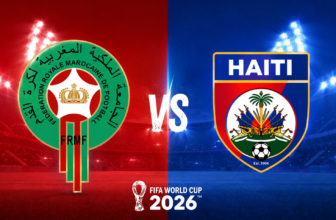
For a country like Morocco, or any other qualified nation, this draw isn’t just about opponents. It’s a chance to align every piece — sportingly and logistically — for a journey that may last weeks but define a generation.
Related:
- Atalayar: Morocco Raises Its Ambitions for the 2026 World Cup Ahead of the Group Draw
- FIFA Confirms 2026 World Cup Draw Seedings and Pathways: What It Means for Favorites, Co-Hosts, and Morocco
- Morocco Confirmed in Pot 2 for the 2026 World Cup Draw
- Royal Air Maroc Plans New Direct Routes to Boston and Los Angeles in 2026
- Thierry Henry Warns: Watch Out for Morocco at World Cup 2026