Photo by Diego F. Parra / Pexels
Rabat is increasingly positioning itself as one of the world’s most compelling cultural destinations, according to Time Out, which has included the Moroccan capital in its list of must-visit destinations for 2026. The recognition reflects a broader reassessment of Rabat’s role on the international cultural map, driven by major urban projects and upcoming global distinctions.
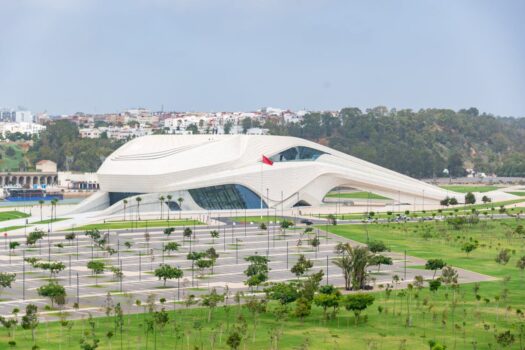
At the heart of this renewed attention is the imminent opening of the Royal Theatre of Rabat, a striking, futuristic landmark designed by the late Zaha Hadid. The theatre is widely seen as a symbol of Rabat’s cultural renaissance, reinforcing the city’s ambition to blend contemporary architecture with its deep historical identity.
From Cultural Capital to Global Recognition
Rabat’s momentum will continue into 2026, when the city is set to become the UNESCO World Book Capital. This title, confirmed by UNESCO, will be marked by a year-long programme dedicated to reading, publishing, and cultural exchange. Planned activities include public reading marathons, writing workshops, masterclasses, and events aimed at promoting access to books and knowledge across all age groups.
According to cultural observers, this designation places Rabat alongside leading global cities that use culture as a driver of urban development rather than mass tourism. Time Out describes the Moroccan capital as a credible alternative to traditional tourist circuits, appealing to travelers seeking depth, creativity, and intellectual engagement.
Rabat Among the World’s Top Destinations for 2026
Rabat appears on Time Out’s 2026 destination list alongside a diverse selection of global locations, including Hamburg, Hong Kong, Oaxaca, Gothenburg, and the Canadian Rockies. Its inclusion highlights the city’s growing international profile and confirms that Rabat is no longer viewed solely as a political capital, but as a vibrant cultural hub with global resonance.
With landmark architecture, international recognition, and an ambitious cultural agenda, Rabat is entering 2026 as one of the cities to watch on the world stage.
Related:
- Rabat Ultimate Travel Guide
- AFCON 2025: Rabat Heritage Foundation unveils rich cultural program
- Rabat Patrimoine: A New App to Explore the UNESCO Heritage of Morocco’s Capital
- Rabat’s Smart Camera Network: How 4,000 Devices Will Redefine Urban Security
- Chellah of Rabat: A Timeless UNESCO Treasure of Moroccan Cultural Tourism