As Morocco prepares to host the 2025 Africa Cup of Nations (AFCON), millions of football fans from across the continent and beyond are expected to travel to the Kingdom. Beyond stadiums, transport and fan zones, one key aspect of the Moroccan experience is its rich and diverse linguistic landscape.
Understanding the languages spoken in Morocco will help visiting supporters communicate more easily, connect with locals and fully enjoy their AFCON 2025 journey.
Moroccan Darija: The Language of Daily Life
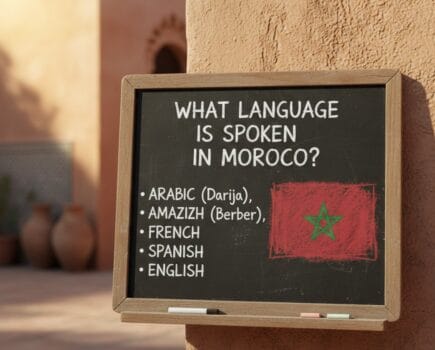
The most widely spoken language in everyday life is Moroccan Darija. It is the informal Arabic dialect used in daily conversations, markets, cafés, taxis, public transport and football stadiums.
Darija blends Arabic with Amazigh, French, Spanish and increasingly English influences. It is fast, expressive and lively, and fans will hear it constantly in fan zones and around match venues. While it can sound very different from standard Arabic, Moroccans are generally patient and welcoming toward visitors who try to engage.
Standard Arabic: Official but Less Spoken
Modern Standard Arabic is one of Morocco’s official languages and is mainly used in education, administration, official announcements and the media.
During AFCON 2025, fans may hear it in press conferences, official communications and television broadcasts, even though it is rarely used in casual daily conversations.
Amazigh Languages: A Core Part of Moroccan Identity
Amazigh (Berber) is Morocco’s second official language and a central element of the country’s cultural identity. Several Amazigh dialects are spoken across the country, including:
- Tarifit in northern regions
- Tamazight in central areas
- Tachelhit in southern regions
Amazigh is visible on public signs, institutions and official documents, written in the distinctive Tifinagh script. Fans traveling outside major cities, especially to mountainous or rural areas, will frequently hear Amazigh spoken in daily life.
French: A Widely Used Bridge Language
French is widely spoken across Morocco and plays a key role in business, education, transport and tourism. Many Moroccans are fluent in French, making it a practical communication bridge for fans from several African countries.
Signage in airports, train stations and public transport often includes French, which will be particularly helpful for AFCON visitors.
Spanish and English: Regional and Global Connections
Spanish is commonly spoken in northern cities such as Tangier, Tetouan and Nador, reflecting historical and cultural ties with Spain.
English is rapidly growing, especially among Moroccan youth, volunteers, hospitality staff and tourism professionals. During AFCON 2025, English will be widely used to assist international fans.
A Multilingual Welcome for AFCON 2025 Fans
Morocco offers a unique multilingual environment where languages coexist naturally, creating an atmosphere of openness and hospitality. This diversity will help ensure smooth communication and a warm welcome for supporters from across Africa and the world.
For many African fans, especially from North Africa, linguistic similarities in Arabic, Amazigh and French will make communication even easier, reinforcing the sense of shared culture and unity that defines AFCON.