
As winter sets in, Moroccans instinctively seek warmth, in clothing, food, and especially in their favorite drinks.
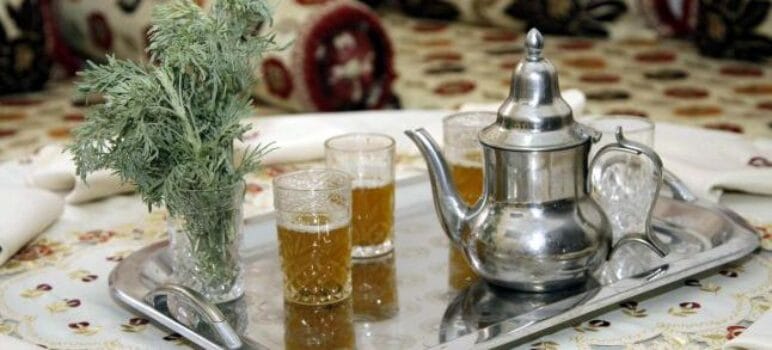
In Morocco, tea remains the most iconic and widely consumed beverage throughout the year. But during the colder months, traditional mint tea often gives way to tea infused with chiba, a winter herb known for its warming, calming and energizing properties.
What Is Chiba?
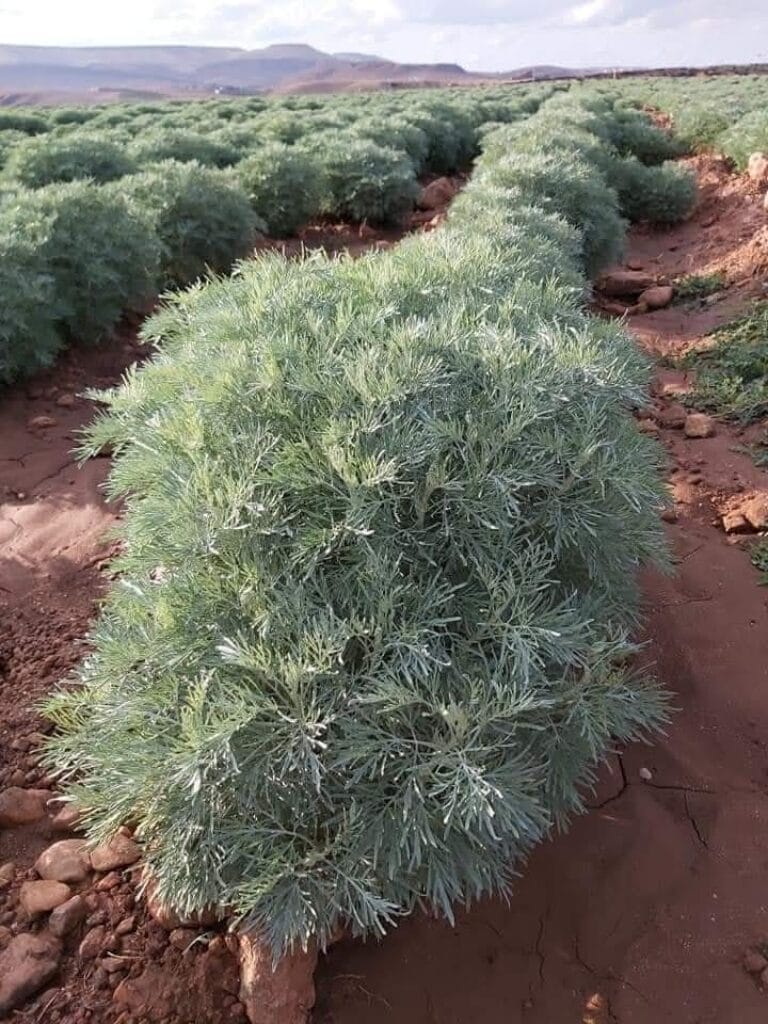
Known locally as “chiba”, the herb refers to the flowering upper leaves of Artemisia absinthium, commonly called wormwood.
As temperatures drop and mint quality declines, chiba naturally replaces mint in Moroccan tea, offering a deeper, warmer flavor perfectly suited to winter.
In popular markets across Rabat and other cities, chiba vendors create vibrant displays of tea herbs, with shades of green ranging from pale to dark depending on the plant.
A Winter Tradition Deeply Rooted in Moroccan Culture
According to Jawad Mechouat, a well-known herbal tea vendor in Fez, demand for chiba rises sharply during winter.
“Chiba is one of the most popular winter herbs,” he explains. “It warms the body when combined with green tea and has a calming effect on the nerves.”
Chiba typically appears from October to April, thriving especially in central regions of Morocco. The most prized variety, known as “Meskia”, is recognized for its fragrant aroma and slightly sweet taste.
An Affordable and Popular Choice
For many households, chiba remains an affordable staple. A small bundle often costs no more than one dirham, making it accessible to all social backgrounds.
“Chiba is warming and perfect for winter,” says Najat Moussaoui, a regular buyer. “Unlike mint, which cools the body, chiba gives tea a comforting warmth we’ve grown up with.”
From Homes to Cafés
Moroccan cafés also embrace the seasonal shift, adding “chiba tea” to their menus to meet growing winter demand.
Mohamed Alloudi, a café owner in Rabat, explains: “Chiba is the herb of winter. Customers ask for it because of its warming effect. We usually serve it on the side, allowing guests to adjust the flavor themselves.”
Health Benefits and Cultural Uniqueness
Several studies suggest that chiba helps cleanse the digestive system, fight parasites and fungi, regulate body temperature, and relieve colds and inflammation.
While wormwood is used medicinally or in alcoholic beverages in other parts of the world, Morocco remains unique in using chiba to flavor tea, and sometimes even milk.
Despite its naturally bitter compound, absinthin, chiba’s taste becomes milder during winter and spring, making it both pleasant and beneficial when consumed traditionally.