Estimated reading time: 7 minutes
A coastline of emerald surf, cities that pulse with culture, and a highly competitive cost of living: these elements combine to make Morocco irresistible for remote workers in 2026. With the expansion of 5G and a surge in community-focused coworking spaces, the Kingdom has transformed into a premier global hub for digital nomads.
Why Morocco Now?
A coastline of emerald surf, cities that pulse with culture, and a low cost of living: these elements combine to make Morocco irresistible for remote workers in 2026. City life and coastal calm are within a few hours of each other, enabling a rhythm that balances productivity with exploration. Reliable internet, expanding coworking spaces, and a growing expat community complete the package, turning the Kingdom into a prime destination for digital nomads.
Taghazout, Essaouira, Marrakech and Casablanca each offer a different flavor of remote work life, from beachfront coding sessions to rooftop café brainstorms and modern coworking floors. Even Dakhla, with its lagoon and kite-surf culture, joins the list of attractive spots for those seeking both tranquillity and adventure. For surf-centric escapes and water-sport weekends, see the deeper guide to Best Water Sports in Morocco.
Top Cities & Coastal Towns for Remote Work
Taghazout — Surf First, Work Second (and then repeat)
Taghazout remains the symbol of the surf-nomad lifestyle: morning waves, midday work sprints, and evenings around the bonfire. Coworking collectives and surf camps offer flexible packages with strong Wi-Fi, healthy food options, and community events that foster serendipitous collaborations. The village vibe ensures distraction-free focus while providing easy access to cafes and local markets.
For More: Surfing in Taghazout, Morocco: The Ultimate Guide to Africa’s Surf Paradise
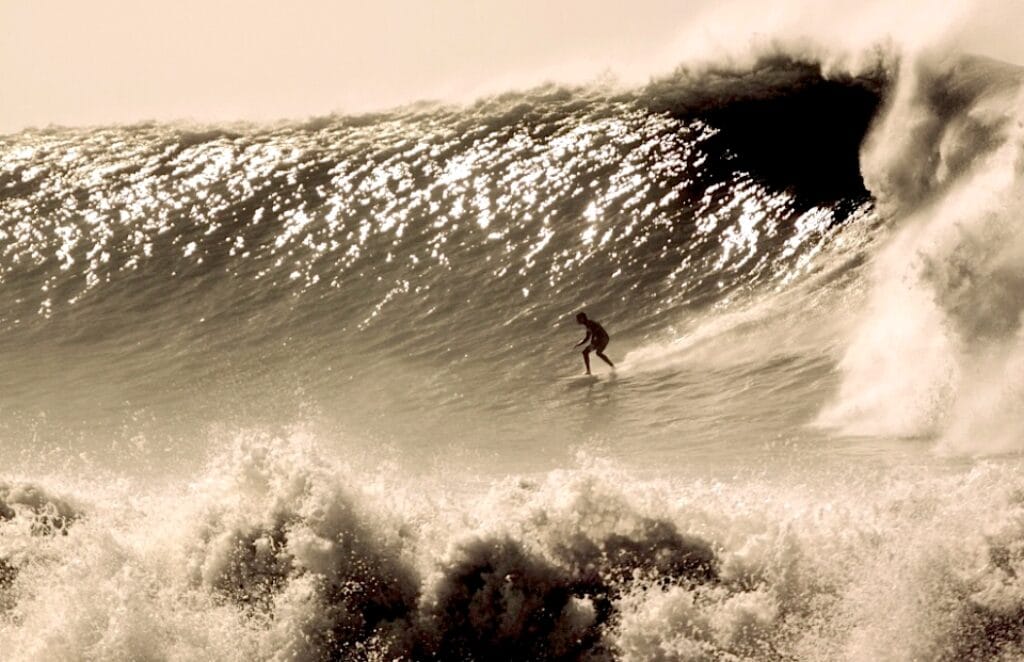
Taghazout Surf Beach. Credit Photo: surfberbere.com
Marrakech — Culture, Cafés & Creative Energy
Marrakech blends ancient medina alleys with modern creative hubs. Traditional riads now host digital nomads seeking atmospheric workspaces, while contemporary coworking venues provide fast connections and networking events. Cultural breaks are close at hand: rooftop strolls, souk discoveries, and gallery visits all recharge the creative battery between deadlines.
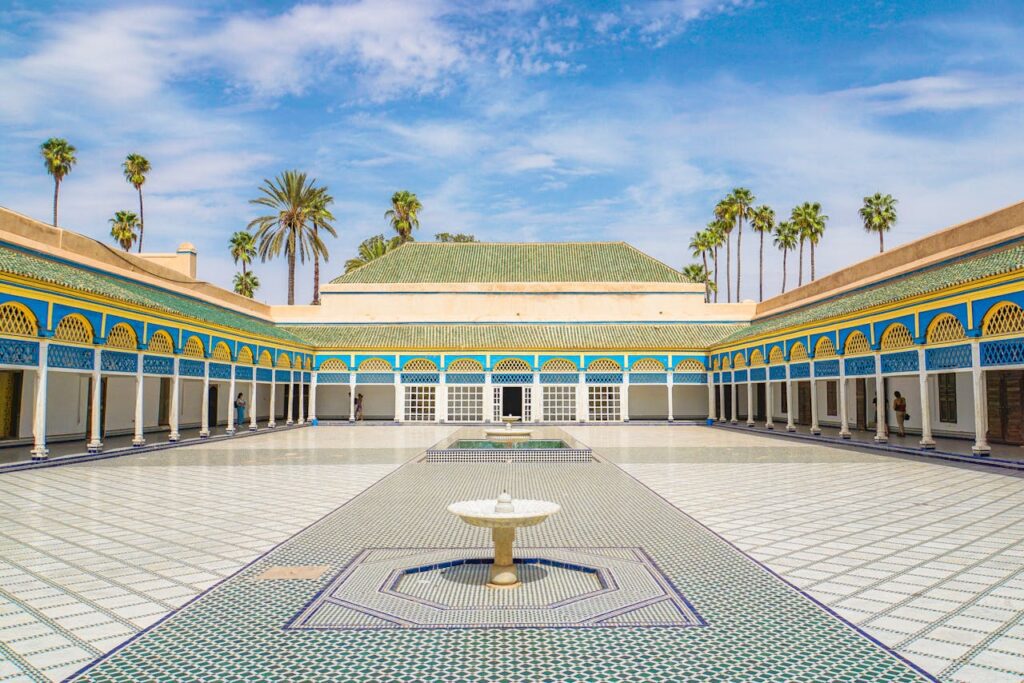
The grand courtyard of Bahia Palace in Marrakech, where zellij mosaics, marble fountains, and painted arches reflect Morocco’s royal artistry. Photo By Clive Kim From Pexels
Casablanca — Business-Grade Connectivity
Casablanca offers the best urban infrastructure for professionals who need corporate-level connectivity. Fiber and 5G coverage are most robust here, and multinational contacts are easier to reach. Downtown cafés and polished coworking floors cater to remote consultants, startup founders, and streamers needing heavy bandwidth.
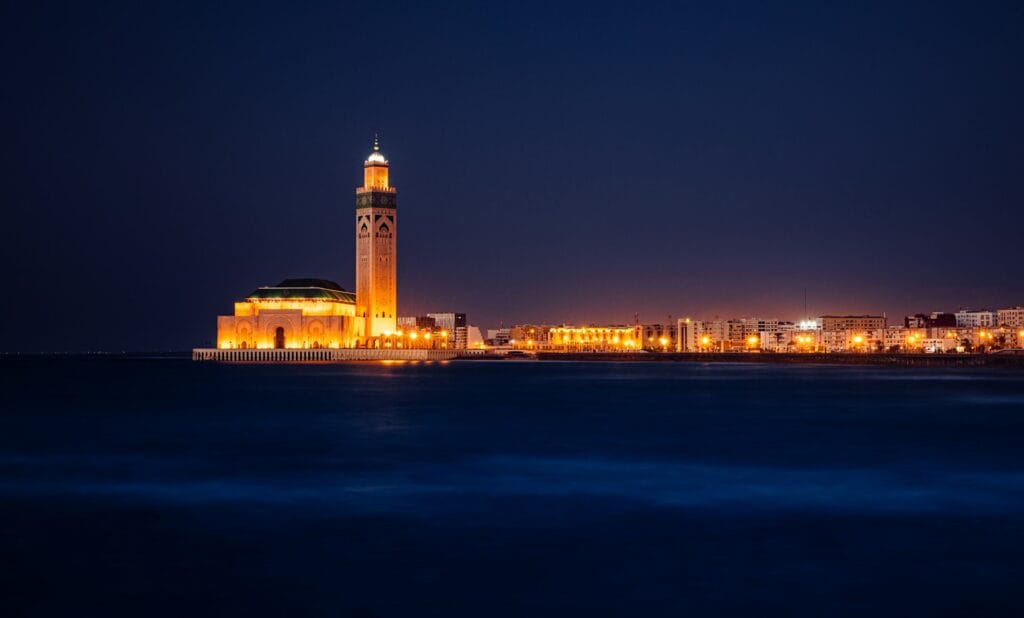
The illuminated Hassan II Mosque overlooking the Atlantic Ocean, a landmark along Casablanca’s Corniche. Photo by ling hua From Unsplash.
Essaouira & Dakhla — Slow Pace, Big Inspiration
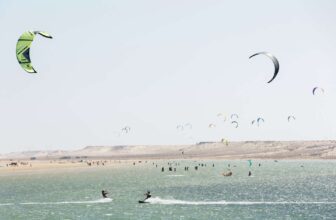
Essaouira invites creative souls with a wind-swept medina and relaxed tempo; Dakhla mixes desert silence with Atlantic energy. Both places are ideal for extended stays focused on deep work and inspiration, coastline mornings followed by productive afternoons in eco-lodges or small coworking hubs. For a closer look at Dakhla’s unique appeal, explore the feature Dakhla Rising.
You May Like: Top Things to Do in Dakhla, Morocco: The Hidden Paradise of the Sahara Coast
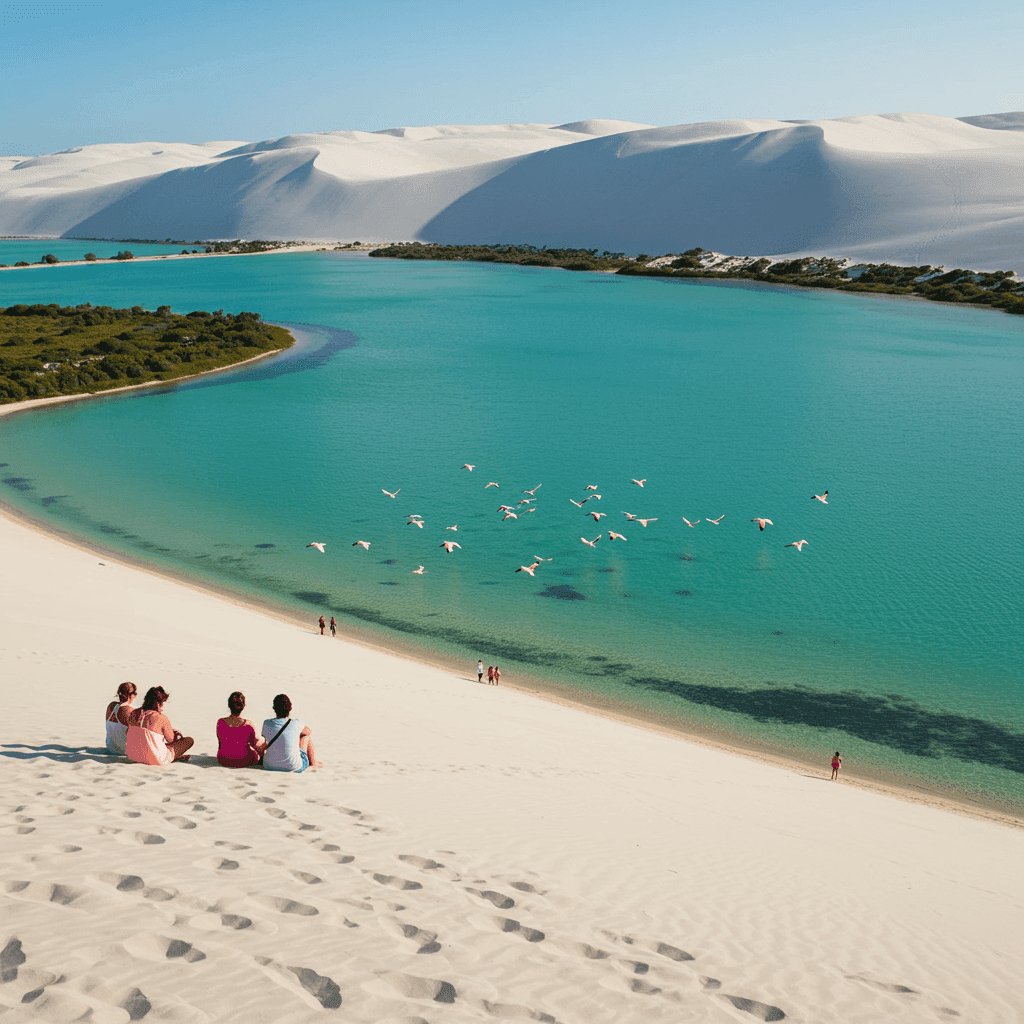
The lagoon Of Dakhla. Credit: www.maroc-desert.com
Cost of Living & Practical Budget
Affordability remains a key advantage. Monthly budgets can vary widely depending on lifestyle choices, but basic guidance for 2026 looks like this:
- Budget stay: $350–$550/month (shared apartments or long-term surf-camp deals)
- Comfort stay: $600–$1,200/month (private studio or comfortable riad)
- Coworking: $60–$150/month depending on city and membership tier
- Daily expenses: $15–$25/day for meals, local transport and coffee
Cost savings free up weekends for surf trips, desert excursions, or short flights across the Strait into Spain, making Morocco a strategically affordable base for an adventurous remote life.
Internet, Coworking & Tech Infrastructure
Network quality has improved significantly. Major cities offer fiber and 5G, while smaller towns rely on robust mobile plans and select coworking spots for dependable connections. Mobile SIM packages from local operators are cost-effective and deliver sufficient bandwidth for video calls and cloud workflows. Coworking spaces now populate Taghazout, Marrakech and Casablanca, pairing ergonomic work environments with community events and workshops.
Nomads seeking reliability should check connection speeds before booking long-term stays and consider hybrid plans combining home fiber with a local SIM for redundancy.
Culture, Food & Daily Life
Local hospitality shapes everyday life. Markets (souks) provide fresh produce and spices; cafés invite slow mornings and conversations over mint tea; evening gatherings bring music and storytelling. Cuisine ranges from tagines and fresh seafood to international cafés catering to remote workers. Respect for local customs enriches the experience and opens doors to meaningful cultural exchanges.
For More About Moroccan Food, Visit: Moroccan Culinary Fusion: A Delicious Blend of Ancient Flavors and Modern Twists
For weekend inspiration, surf or sailing trips pair well with cultural visits to imperial cities and kasbahs, creating a travel rhythm that feels both authentic and restorative. For surf resources and top beaches, find practical ideas in the Top Surf Beaches in Morocco guide.
Work-Life Balance: Nature as a Productivity Tool
Nature becomes a core productivity catalyst. Early-morning waves, desert sunrises and mountain hikes clear the mind; creative thinking often returns stronger after active breaks. Many nomads build weekly rituals: surf at dawn, concentrated work blocks through midday, and evening cultural outings or local dinners.
Community events, from meetups to weekend retreats, strengthen professional networks and reduce the isolation often associated with remote work. Collaboration opportunities arise organically in co-labs and surf camps that mix guests and local entrepreneurs.
Visa, Safety & Local Regulations
Although a dedicated digital nomad visa is still under discussion, long-term stays are commonly arranged using tourist or business visa channels. Local authorities remain welcoming, and safety levels are generally high in tourist and expat hubs. Standard precautions apply: keep personal items secure, respect local customs, and register with local contacts or accommodation providers for longer stays.
Updates on visa policies and entry requirements should be checked regularly through official channels to ensure seamless planning.
For More Detail: Visiting Morocco? 15 Important Tips Every Traveler Should Know
Insider Tips for Living & Working in Morocco
- Payment & Banking: Use multi-currency services (Wise/Revolut) for lower fees and easy transfers.
- SIM Cards: Inwi and Maroc Telecom provide good coverage; prepay data plans are affordable.
- Accommodation Hacks: Book short stays first, then negotiate long-term rates directly with hosts or local camps.
- Cultural Respect: Dress modestly in rural areas and during religious events; a few Arabic or Amazigh phrases go a long way.
- Health & Safety: Carry travel insurance for sports activities and check local clinic options in advance.
- Network Smart: Attend local meetups, co-working events and surf-camp socials to build community quickly.