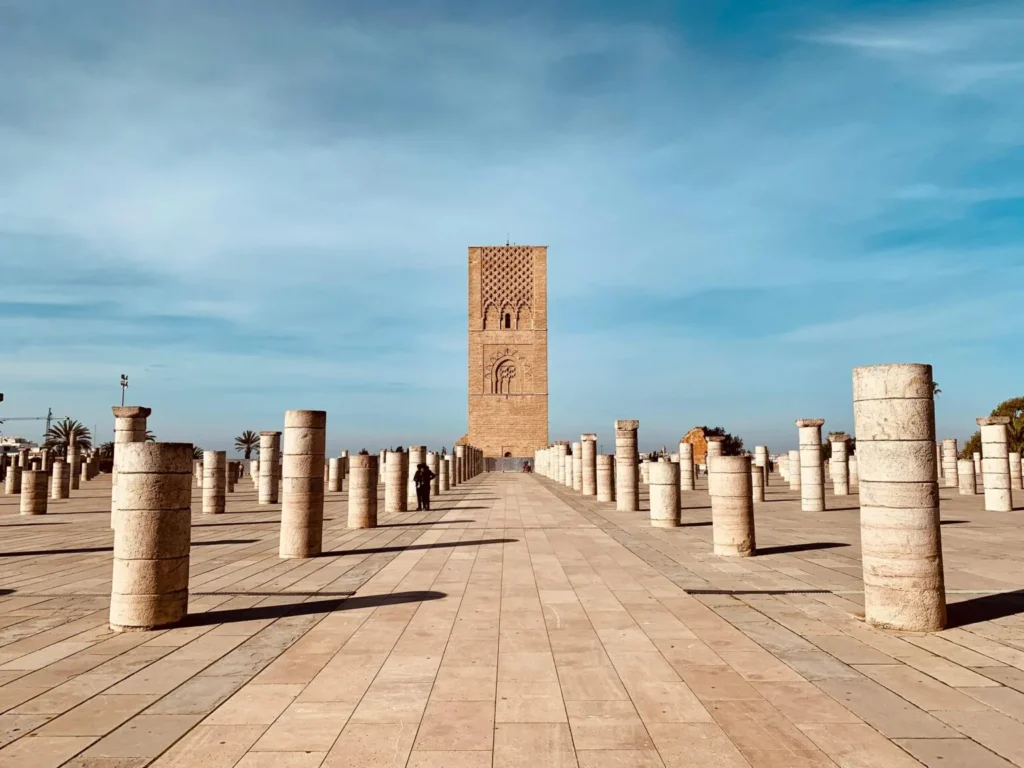
The Hassan Tower in Rabat Morocco By Sarah Hall/Pexels
As Summer 2026 approaches, Morocco is consolidating its position as France’s favorite non-European getaway. Blending heritage, accessibility, gastronomy, and modern infrastructure, the Kingdom offers French travelers a unique balance between familiarity and exotic escape.
Why Morocco Appeals to French Travelers
Morocco’s proximity to France makes it an easy and convenient destination. With short flight times from Paris, Lyon, and Marseille, travelers can move from European city life to vibrant Moroccan medinas in just a few hours.
The widespread use of the French language, historical ties, and cultural familiarity create a seamless experience for visitors. At the same time, Morocco offers something different: colorful souks, riads, desert landscapes, Atlantic beaches, and a sensory immersion that feels both authentic and welcoming.
| Key Drivers | Impact for Summer 2026 |
|---|---|
| Air Connectivity | Increased direct flights from major French cities |
| Cultural Proximity | French language widely spoken and strong historical ties |
| Diversified Tourism | Cities, beaches, desert, heritage sites, eco-tourism |
| Luxury & Experiences | Riads, resorts, spas, gastronomy, cultural immersion |
Marrakech Leads the Momentum
Marrakech continues to be the crown jewel for French travelers. Its riads, palm-lined gardens, and vibrant atmosphere offer a complete cultural escape.
Landmarks such as the Koutoubia Mosque and Jemaa el-Fnaa square remain central attractions. By day, visitors explore traditional souks filled with spices and handcrafted goods. By night, the city transforms into a sensory spectacle of lights, aromas, and street performances.
The steady improvement of tourism infrastructure has enhanced accessibility, making Marrakech even more attractive for summer holidays.
Beyond the Icons: Casablanca, Fès and Coastal Escapes
Casablanca appeals to French visitors seeking a cosmopolitan blend of modern lifestyle and Moroccan tradition. Shopping districts, contemporary dining, and heritage sites coexist in a dynamic urban setting.
Fès, with its UNESCO-listed medina, offers a journey into Morocco’s intellectual and spiritual past. Narrow alleys, traditional craftsmanship, and historic madrasas provide a deep cultural immersion.
Meanwhile, Agadir and Essaouira attract beach lovers looking for Atlantic breezes and relaxed coastal vibes, expanding Morocco’s appeal beyond the classic city break.
Infrastructure and Vision 2030 Boost Tourism Growth
Morocco’s tourism growth is supported by continuous infrastructure development. Airport expansions, improved road networks, and regional tourism projects strengthen accessibility nationwide.
The government’s focus on eco-tourism, rural tourism, and cultural experiences aligns with the global shift toward sustainable travel. French visitors increasingly seek authentic stays in rural landscapes, desert lodges, and heritage towns.
Gastronomy and Luxury as Competitive Advantages
Moroccan cuisine remains a major attraction for French travelers. Tagines, couscous, fresh seafood, and delicate pastries reflect a fusion of Berber, Arab, and French influences.
Luxury resorts and wellness retreats further strengthen Morocco’s positioning as a high-end destination. Many French tourists seek a combination of cultural immersion and indulgent relaxation, a balance Morocco delivers naturally.
Summer 2026 Outlook
With strong air connectivity, diversified tourism offerings, and deep cultural ties, Morocco is firmly established as France’s leading non-European destination for Summer 2026.
The Kingdom’s ability to combine heritage, modern comfort, and experiential travel ensures sustained momentum in the French market, reinforcing tourism as a central pillar of Morocco’s economic growth.