His Majesty The King Mohammed VI has officially launched an ambitious railway expansion program valued at 20 billion dirhams, marking a major milestone in the modernization of the country’s transport infrastructure. The initiative is part of a broader national railway development strategy with a total budget of 96 billion dirhams, aimed at enhancing connectivity, facilitating urban mobility, and strengthening regional transport links.
18 Stations and New Railway Infrastructure
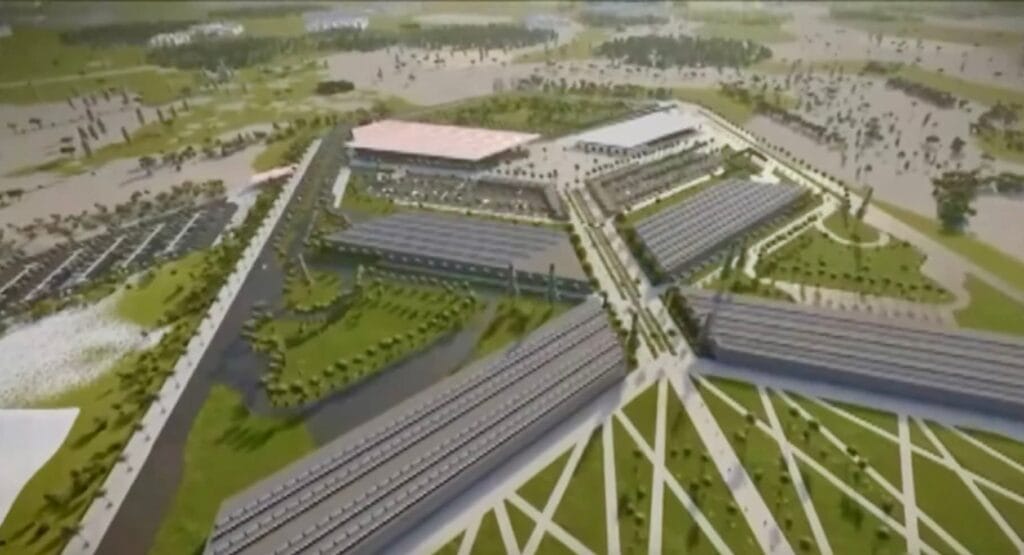
The program includes the construction and modernization of 18 railway stations across the kingdom. Plans feature the creation of three major new hubs, the addition of ten commuter stations, and the rehabilitation of five existing stations. In parallel, the project will deliver 260 kilometers of new railway tracks, the development of 50 technical structures, the creation of two technical centers, and five advanced maintenance workshops.
Flagship Projects in Casablanca and Beyond
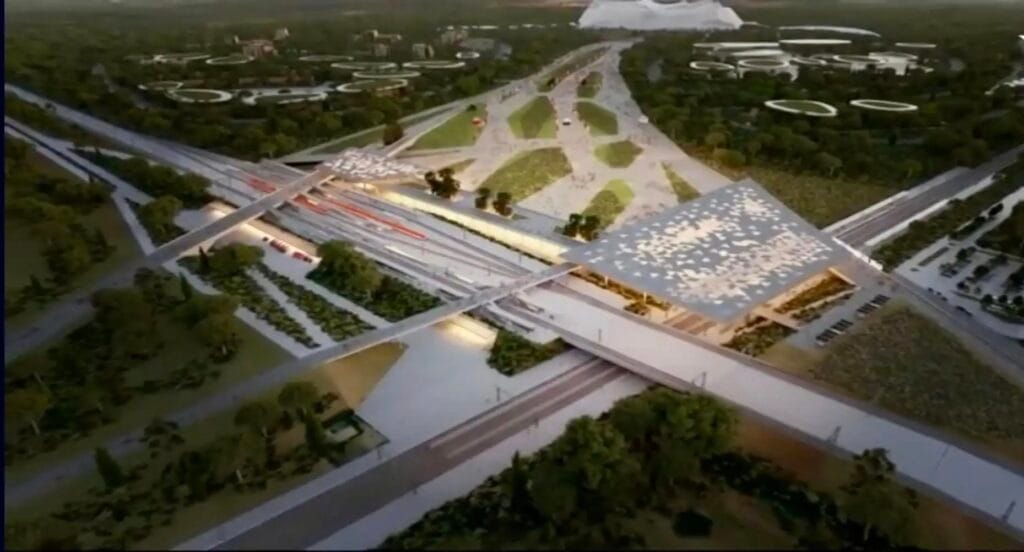
One of the highlights of this program is the construction of the Casablanca-Sud station, designed to handle up to 12 million passengers annually. The station will feature six platforms, ten rail lines, and seamless connections to tram, bus, and taxi networks, in addition to a new Aero-Express service linking Casablanca to Mohammed V International Airport every 15 minutes.
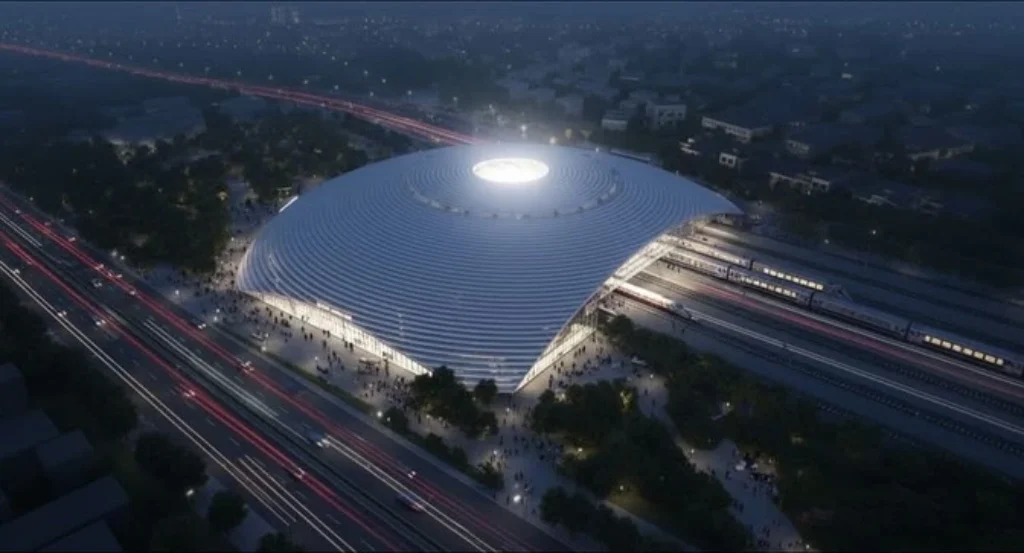

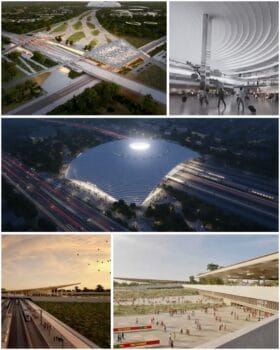
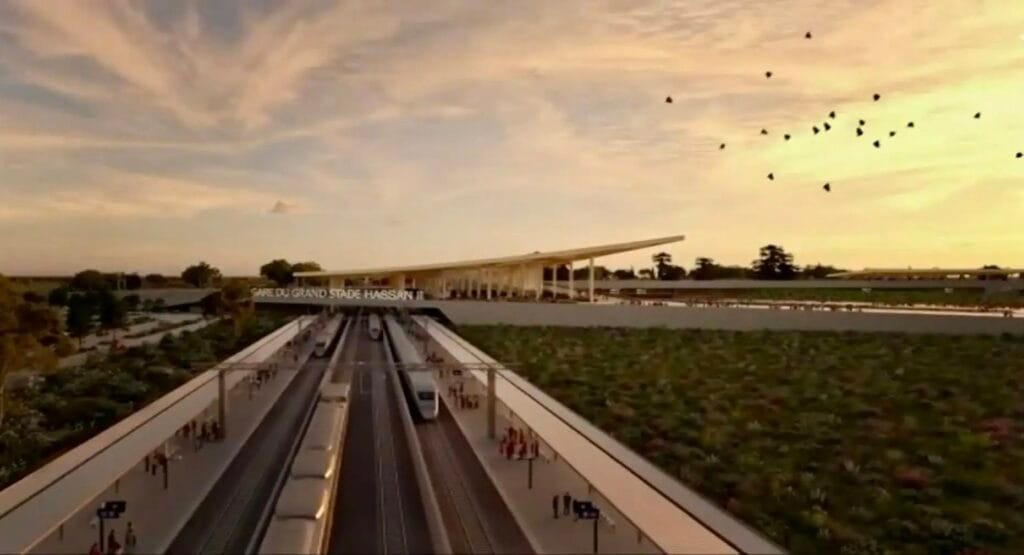
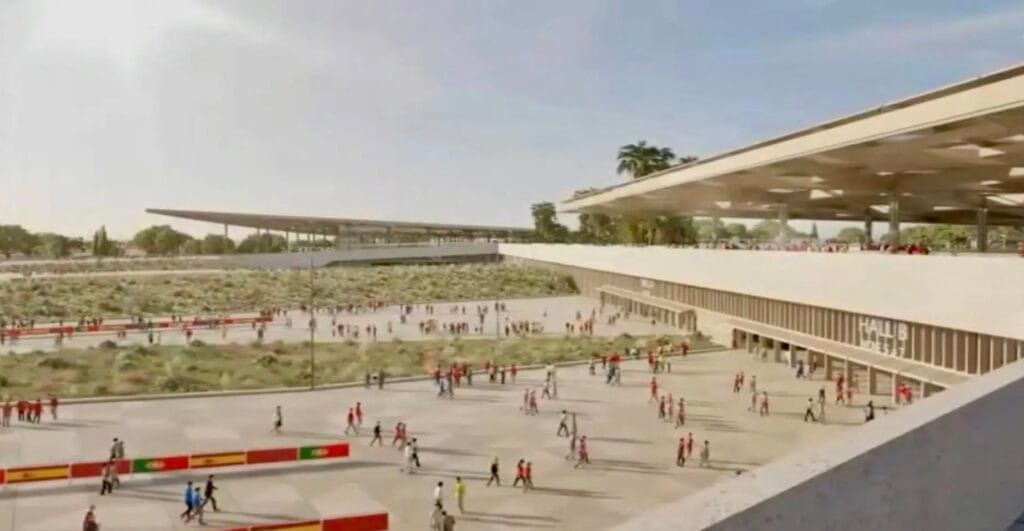
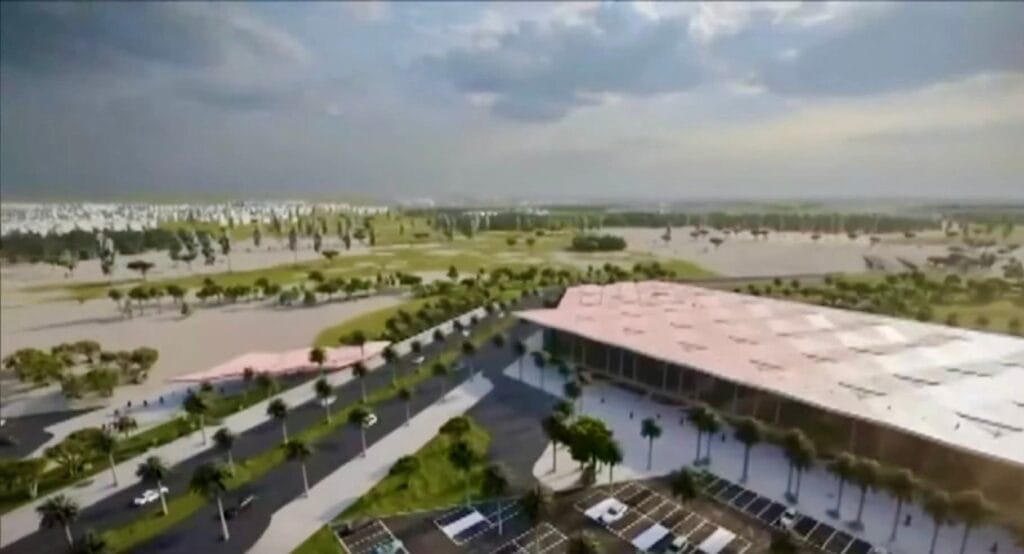
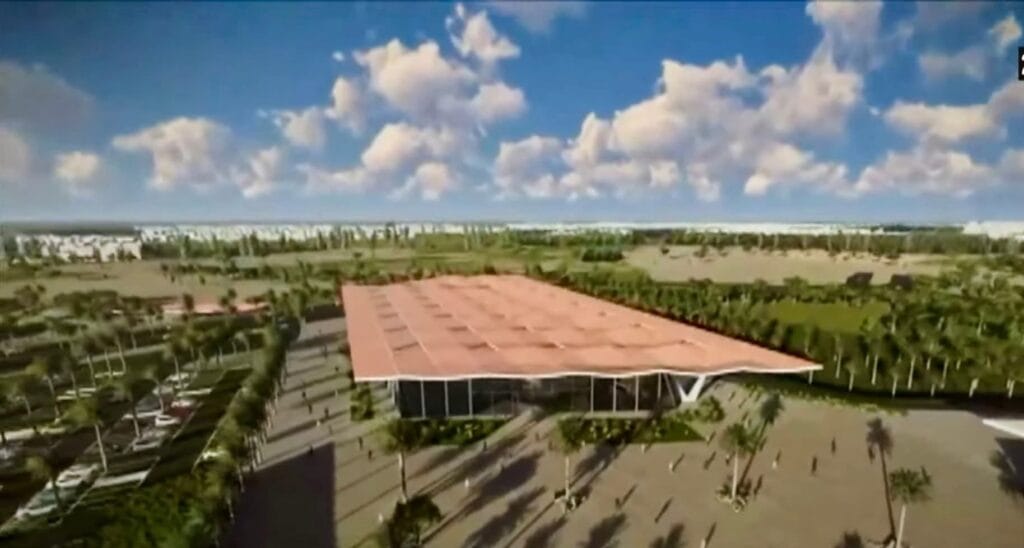
Other flagship projects include a major station serving the Grand Hassan II Stadium in Benslimane, with a capacity of 12 million passengers, and a new railway station at Mohammed V International Airport capable of accommodating five million travelers per year.
Modern Trains and Improved Commuter Services
The expansion also involves the acquisition of 48 new trains dedicated to commuter and regional services, with speeds of up to 160 km/h. A train manufacturing facility will be established in Morocco, reinforcing local industry and creating jobs. In Casablanca, commuter lines will benefit from significantly improved frequency, with departures scheduled every 7.5 minutes on core routes.
Transforming Mobility and Economic Growth
Once completed, the program is expected to serve more than 150,000 daily passengers, easing road congestion, improving travel times, and supporting sustainable urban development. This strategic investment will also stimulate regional economies, encourage tourism, and strengthen Morocco’s position as a leading hub for modern infrastructure in Africa.
The new railway expansion projects represent a transformative step for Morocco’s future, combining innovation, efficiency, and sustainability to deliver a modern transport system that meets the needs of citizens and visitors alike.