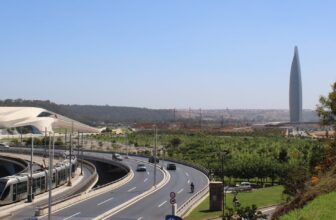
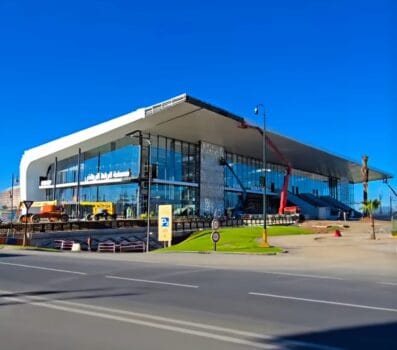
As Morocco prepares to welcome thousands of visitors across its major cities, Rabat is positioning itself as a model of efficient, modern, and well-connected urban transport.
A Strategic Infrastructure Project for a Growing Capital
Located in one of Rabat’s most dynamic districts, the Hay Riad station is designed to serve a dense urban environment characterized by administrative buildings, business centers, residential areas, and commercial activity.
The station introduces a modern transport experience focused on accessibility, comfort, and efficiency. Its design includes:
- Wider and safer platforms for improved passenger circulation
- Enhanced lighting systems for better visibility and security
- Optimized pedestrian flow to reduce congestion during peak hours
- Improved accessibility for daily commuters and international visitors
Supporting Rabat’s Intercity Connectivity
Once operational, the station will play a key role in strengthening rail connections between Rabat and major Moroccan cities such as Casablanca, Kenitra, and the northern corridor.
It is expected to reduce pressure on existing railway stations by offering an alternative access point for commuters and long-distance travelers.
| Route Impact | Expected Benefit |
|---|---|
| Rabat – Casablanca | Reduced congestion on main stations and improved travel flexibility |
| Rabat – Kenitra | Faster commuter access for daily workers and students |
| Northern Corridor | Better integration with national rail flow toward Tangier |
A Key Piece of Morocco’s Urban Mobility Strategy
The development of Hay Riad station is part of a broader transformation of Rabat’s transport ecosystem, which includes new road infrastructure, upgraded transit hubs, and improved interconnection between business districts.
This integrated approach reflects Morocco’s growing focus on sustainable urban mobility and efficient passenger distribution within major cities.
Preparing for AFCON 2025 and Beyond
As Morocco prepares to host AFCON 2025, infrastructure projects like Hay Riad station are essential for ensuring smooth mobility for both residents and international visitors.
The station is expected to play a crucial role in managing peak travel demand during the tournament, especially in a capital city that will serve as a key entry point for many supporters and delegations.
Urban Design Aligned with Modern Rabat
The station’s architecture reflects the evolving identity of Rabat as a modern administrative and cultural capital. Clean lines, open spaces, and functional design elements ensure that the station integrates seamlessly into its surrounding environment.
Its location in Hay Riad, a district known for its ministries, corporate offices, and residential developments, makes it a natural extension of the city’s daily rhythm.
Improving Passenger Experience
Beyond infrastructure, the project focuses on improving the overall passenger experience. Key enhancements include:
- Faster and smoother boarding processes
- Better signage and navigation inside the station
- Reduced waiting times during peak hours
- Improved comfort for daily commuters
These upgrades aim to make rail travel in Rabat more attractive, efficient, and reliable for both residents and visitors.
A Catalyst for Future Urban Development
The introduction of the Hay Riad station is expected to stimulate further development in the surrounding area. Improved accessibility often leads to increased business activity, real estate growth, and greater urban density.
As Rabat continues to evolve, transport infrastructure like this will play a central role in shaping the city’s long-term economic and social dynamics.
Conclusion: A Quiet but Strategic Transformation
While not always visible at first glance, projects like the Hay Riad train station represent the backbone of Morocco’s urban transformation. By improving mobility, reducing congestion, and supporting major events like AFCON 2025, Rabat is reinforcing its role as a well-connected and future-ready capital.
MoroccoBeat – Inspiring Stories, Positive Energy, Proudly Moroccan.