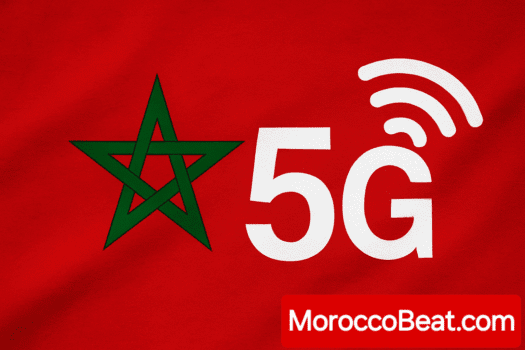
Morocco is on the brink of a new digital era with the nationwide launch of 5G scheduled for November 2025. This rollout is not only a technological milestone but also a strategic move to support the country’s growing ambitions in infrastructure, mega-projects and international sports events such as AFCON 2025 and the 2030 FIFA World Cup, which Morocco will host.
Coverage and Timeline
The first phase of deployment will cover eight major cities and airports from November 2025. By the end of 2026, approximately 25–45% of the population is expected to have access to 5G services, with coverage rising to 70–85% by 2030. Morocco’s robust fibre-optic backbone — more than 80% of urban radio sites already linked to fibre — will make high-speed mobile broadband widely available during headline events like the African Cup of Nations and beyond.
Economic and Social Impact
Industry estimates suggest that 5G could add between $4 and $6 billion to Morocco’s economy by 2030, equivalent to roughly 1.5–2% of projected GDP. Beyond faster internet for consumers, 5G will enable smart stadiums, seamless streaming of matches, real-time analytics for sports organisers, and improved safety and logistics for large gatherings — all crucial for Morocco’s upcoming sporting milestones.
Opportunities and Challenges
While 5G brings unprecedented opportunities, it also poses challenges. The high cost of rollout may delay rural coverage; cyber-security and data privacy require stronger national frameworks; and operators must innovate on pricing to make 5G attractive for mass adoption.
The arrival of 5G in Morocco is more than a network upgrade; it is a strategic investment that will shape the country’s economic and social development and enhance the fan experience at mega sports events. By integrating cutting-edge connectivity with world-class infrastructure, Morocco is positioning itself as a leader in both digital transformation and global sporting excellence.