A former senior figure within the Confederation of African Football has strongly criticized the disciplinary decisions taken after the Africa Cup of Nations final between Morocco and Senegal, describing them as inadequate and disproportionate given the seriousness of the incidents that occurred.
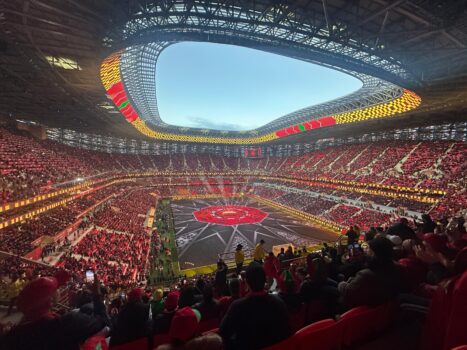
Speaking in an interview with South Africa’s SABC, the former head of CAF’s Disciplinary Committee, Raymond Hack, said the body failed to issue firm and fair rulings following the events of the final played on January 18. The match was marked by Senegalese players leaving the pitch in protest after a penalty was awarded to Morocco, delaying play for more than 14 minutes and, according to the official, damaging the image of the competition at continental and global levels.
“A Failure to Apply Deterrent Sanctions”
The former disciplinary chief argued that responsibility lay primarily with the Senegal coach, who instructed his players to walk off the pitch. From his perspective, such behavior runs counter to the spirit and principles of football. He maintained that the sanction imposed on the coach, a five-match suspension and a fine, did not reflect the gravity of the disruption caused.
According to the expert, incidents of this nature cannot be addressed through financial penalties alone. He stressed that stronger administrative and disciplinary measures are required to deter similar actions in the future and protect the integrity of competitions.
To support his argument, he cited historical precedents in world football where governing bodies imposed severe punishments for misconduct, underlining that the sport does not tolerate actions that undermine fair play or the orderly conduct of matches.
Limits of Post-Match Decisions and CAF’s Image
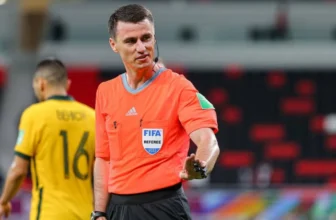
Regarding Morocco’s request to be awarded the match following the temporary withdrawal of Senegalese players, the former official clarified that such a decision falls solely within the authority of the referee on the pitch, not post-match committees. This, he said, places additional responsibility on CAF to ensure its regulations are interpreted and applied objectively, without ambiguity or selective enforcement.
He warned that CAF’s image has suffered due to what he described as leniency in applying its own rules, noting that credibility is priceless for a continental governing body expected to set an example for players, officials, and young fans alike.
Despite fines exceeding one million dollars imposed on the two federations, players, coaches, and supporters, the former disciplinary chief concluded that the real test for CAF will be future enforcement. For him, safeguarding the integrity of African football depends not on the size of fines, but on the consistency and firmness of discipline in the matches to come.
The African football body ultimately rejected Morocco’s protest and upheld the result of the final, a decision that continues to fuel debate across Moroccan and African media over the application of disciplinary regulations in continental football.
Related:
- “Unsporting Behavior”: CAF Referees Chief Ends Debate Over Towel Incident
- CAF Disciplinary Rulings Spark Outcry in Morocco After AFCON Final
- Ugandan Sports Official Highlights Morocco’s Long-Term Vision in Sports Development
- AFCON 2025: A Wave of African and International Support and Praise for Morocco