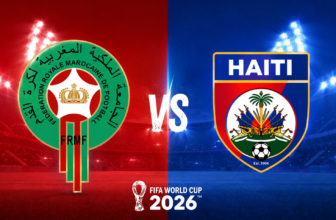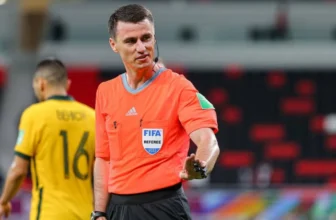
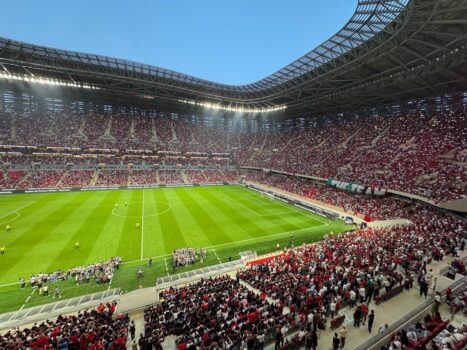
The disciplinary decisions issued by the Confederation of African Football following the Africa Cup of Nations final between Morocco and Senegal, played in Rabat on January 18, have triggered widespread controversy across Morocco’s sporting and media circles.
While CAF imposed suspensions and financial penalties on both sides, it rejected the protest filed by Morocco’s football authorities, an outcome many observers consider unbalanced and lacking transparency. The timing and symbolism of the rulings have further fueled criticism, reviving long-standing questions about governance and consistency within CAF.
Between Legal Ambiguity and “Stability Over Law”
Analysts and commentators point to what they describe as selective enforcement of regulations. Central to the debate is Article 82 of CAF’s disciplinary code, which addresses match withdrawal. Despite acknowledging that Senegalese players left the pitch for approximately 14 minutes, CAF stopped short of classifying the incident as a withdrawal, opting instead for fines that critics say create a dangerous precedent: disruption without sporting consequences.
Morocco, meanwhile, received substantial financial penalties, including sanctions linked to ball boys’ conduct and incursions into the VAR area. Governance experts argue these decisions reflect an expansive interpretation of liability, perceived by some as an attempt to “balance” sanctions financially rather than apply clear legal standards.
Reactions, Risks, and the Question of Appeal
The rulings have drawn reactions from journalists, public figures, and fans, ranging from calls for calm to accusations of conflict of interest and “midnight decisions” that undermine trust. Concerns have also been raised about ignoring acts of vandalism, security incidents, and the broader implications of tolerating temporary walk-offs.
Beyond immediate reactions, a strategic question looms: should Morocco escalate the matter to the Court of Arbitration for Sport? Proponents argue an appeal could clarify the legality of resuming play after a temporary withdrawal; skeptics warn of political costs.
What remains clear is that the episode has exposed fault lines in CAF’s disciplinary framework at a time when African football seeks credibility amid growing global ambitions. Restoring confidence, many argue, will require clearer rules, consistent enforcement, and transparent communication, lest controversy overshadow progress.
Related: