Photo credit: Wikipedia / Creative Commons / Attribution-Share Alike 4.0 International
When Morocco faces Brazil, it is never just another football match. It becomes a global moment, and sometimes, even a joke that travels far beyond the pitch.
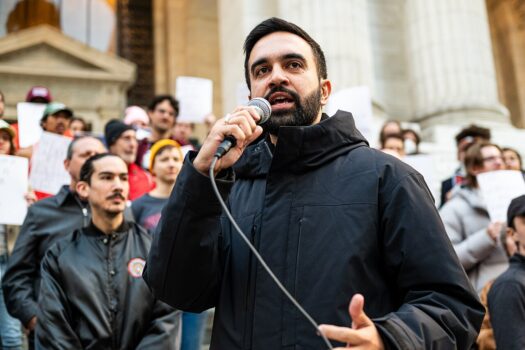
That is exactly what happened recently when Zohran Mamdani, a New York politician, humorously commented that people were stopping him in the street asking for tickets to the highly anticipated Morocco vs Brazil match.
The remark, made in a lighthearted tone, quickly circulated online and was later reported by Morocco World News, sparking conversations not only about football, but about Morocco’s growing global visibility through sport.
A Joke That Reflects a Bigger Reality
Mamdani’s comment was clearly intended as humor. He was not making an official statement, nor suggesting any real involvement in ticket distribution. However, like many jokes, it landed because it touched on a real and widely felt truth: demand for Morocco–Brazil matches is extraordinary.
In recent years, Morocco’s national team has transformed its image on the world stage. No longer viewed as outsiders, the Atlas Lions are now seen as a serious football nation, one capable of drawing massive attention whether they are playing in Africa, Europe, or the Americas.
That growing reputation explains why a match involving Morocco and Brazil generates such excitement that even public figures abroad reference it casually.
The Role of the Moroccan Diaspora
Another key factor behind the high demand is Morocco’s vast and passionate diaspora, especially in cities like New York, Paris, Brussels, Amsterdam, and Madrid.
For many Moroccans abroad:
- National team matches are emotional events
- Tickets are symbols of identity and pride
- Attending games becomes a collective experience
When a Morocco–Brazil match is announced, it activates these communities instantly. That energy often spills into public spaces, social media, and even political conversations — sometimes jokingly, sometimes seriously.
A Sign of What’s Coming
As Morocco prepares to co-host the 2030 FIFA World Cup, moments like this offer a glimpse into the future.
Morocco is no longer just participating in global football events, it is helping shape them. Matches involving the national team now carry cultural, economic, and symbolic weight far beyond the scoreboard.
If people are joking about ticket demand years before 2030, the message is clear: the world is already paying attention.
Conclusion
Zohran Mamdani’s joke about being asked for Morocco–Brazil tickets may have been lighthearted, but it revealed something serious underneath.
Morocco has become a football nation that attracts global excitement, sells out stadiums, and sparks conversations across continents. For Moroccobeat, this is exactly the kind of moment worth noting — where sport, culture, and global perception intersect.
And if even politicians are hearing about ticket shortages, one thing is certain: when Morocco plays, the world watches.
Related: