Estimated reading time: 6 minutes
Over the past few years, Moroccan football has experienced a remarkable revival, a “renaissance” that spans men’s, women’s, youth, and futsal teams. This surge to the top of the global stage is not accidental; it is the result of long-term strategic planning and massive investment under the vision of His Majesty King Mohammed VI.
Major Achievements and Milestones (2022-2025)
- World Cup 2022 Success
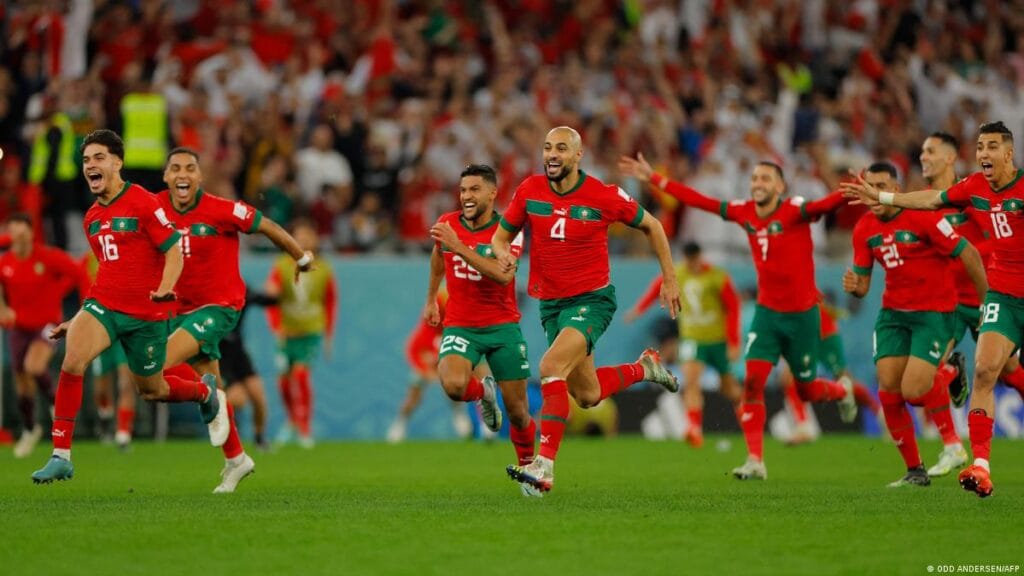
In 2022, the men’s senior national team (the Atlas Lions) made history by becoming the first Arab and African country to reach the semi-finals of the FIFA World Cup. Along the way they defeated strong European sides like Spain and Portugal, and ultimately finished fourth. - Women’s Football Progress
- For the first time ever the Moroccan women’s team reached the final of the Africa Women’s Cup in 2022.
- They qualified for the Women’s World Cup in 2023, and proceeded to pass the group stage, including wins over South Korea and Colombia.
- Youth Teams & Olympic Tournament
- The U-17s have had strong showings, leading their group, winning knockout matches, and recently winning the Africa U-17 Cup of Nations for the first time in history, on home soil.
- The U-23 team won the Africa U-23 Cup of Nations in 2023 and qualified for the 2024 Olympics.
- In the 2024 Olympics, the Moroccan Olympic team won the bronze medal (first Arab/African to do so in many respects), after a big win over Egypt in the third place game.
- Futsal and Other Disciplines
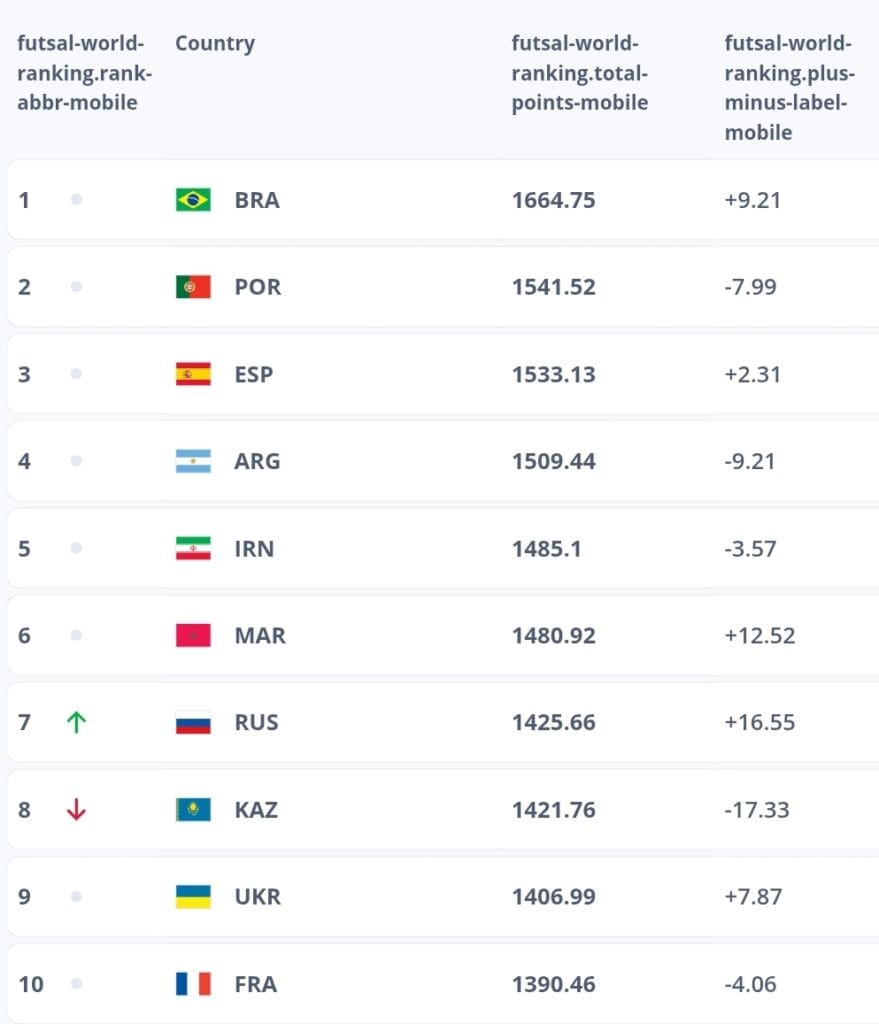
The Moroccan futsal team won the Futsal Confederations Cup, defeating Iran in the final, and achieved an 6th place in the FIFA ranking in that discipline. - Hosting and Infrastructure
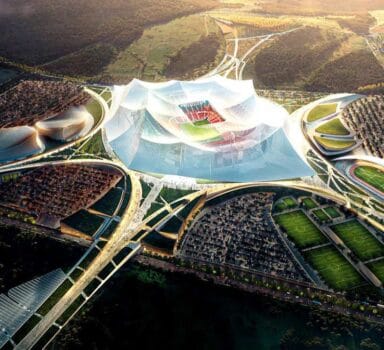
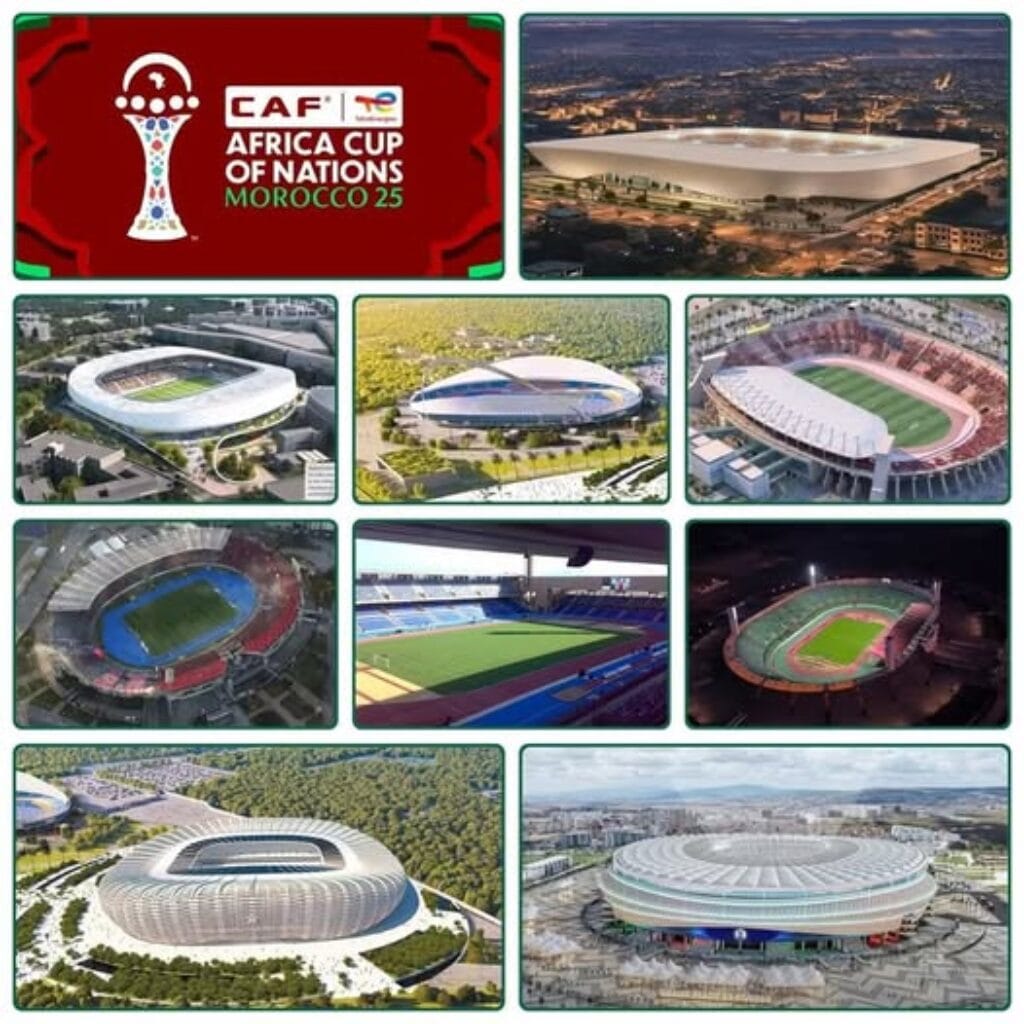
Morocco has been preparing to host major tournaments (Africa Cup of Nations 2025, co-hosting the 2030 FIFA World Cup with Spain and Portugal), and has invested heavily in stadiums, training facilities, and other supporting infrastructure.
The Role of His Majesty The King Mohammed VI
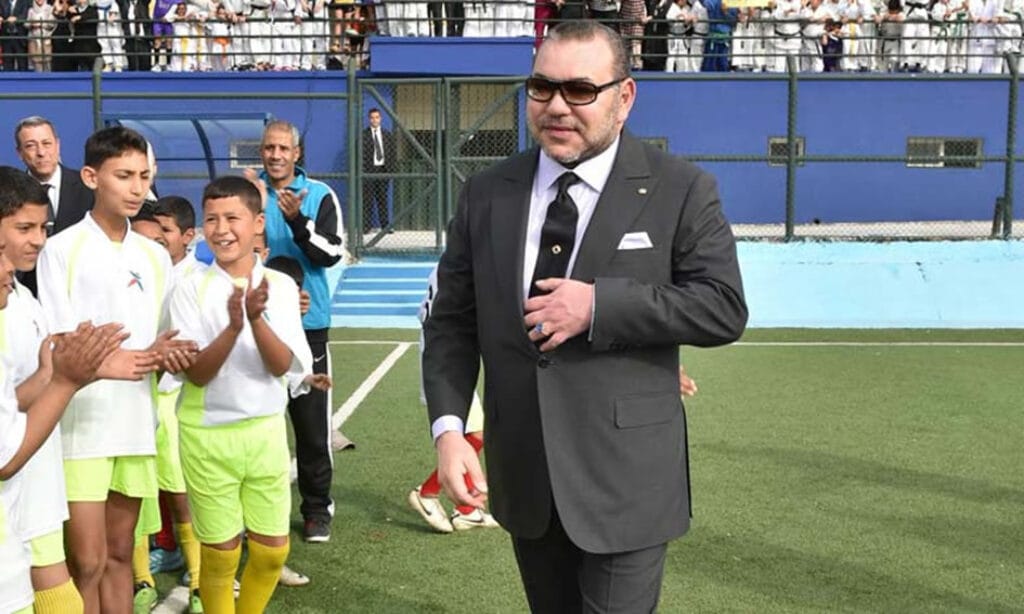
His Majesty The King Mohammed VI has played a central role in this football renaissance, in multiple dimensions:
- Strategic Vision & Policy Support
The King’s vision has positioned sport — particularly football — as a pillar of national development. Through speeches, royal messages, and government initiatives, he has emphasized sport’s importance for social cohesion, youth empowerment, and national prestige. - Investment in Youth & Talent Development
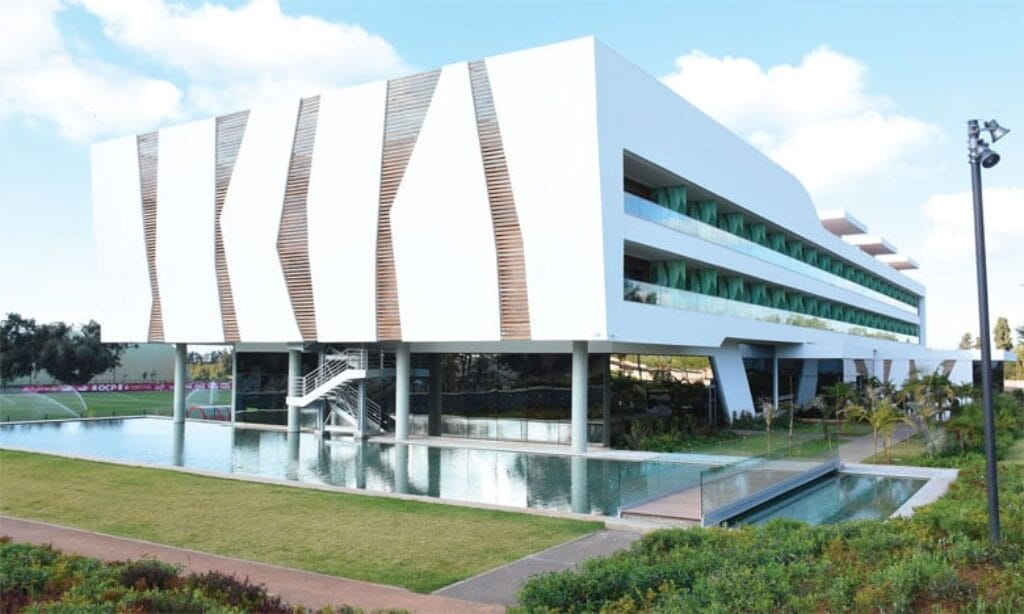
- The Mohammed VI Football Academy, inaugurated in 2009, is a flagship project. Its goals are to identify and train young talent, moreso including in underprivileged areas, and to combine sport with education. Many current and recent national team stars have been alumni of this academy.
- There are also “sport-study” curricula, regional training centres, and efforts to ensure that talented youth have environments where they can grow.
- Infrastructure Upgrades
King Mohammed VI has overseen the creation or renovation of modern stadiums in cities such as Tangier, Rabat, Fez, Agadir, Marrakech; also large training centers and youth academies. There is also a major new stadium (e.g. the Grand Stade Hassan II near Casablanca / Benslimane) being built to meet World Cup standards. - International Positioning & Soft Power
Morocco under his leadership has strengthened its standing in FIFA and CAF, more frequently hosting international youth, women’s, and developmental tournaments. The decision to bid for, and ultimately be part of hosting, the 2030 FIFA World Cup reflects Morocco’s ambitions not just in football, but as a global player. - Inclusive Development
Efforts are not only focused on the elite: building pitches in rural areas; spreading football infrastructure across regions; promoting women’s football.
Why This Rise Has Been Possible ?
- Long Term Planning: The initiatives began many years ago, not just recently. Projects like the Mohammed VI Academy were initiated more than a decade ago, giving time for effects to materialize.
- Financial and Political Backing: Royal commitment means steady funding, prioritization, and capacity to mobilize state and private resources.
- Human Capital: Focus on coaching, refereeing, education, combining sport and academics, producing well-rounded players.
- Modern Infrastructure: New stadiums, training centres, pitches meet international standards, providing good facilities to nurture and display talent.
- International Exposure: Participation and success in global events (World Cup, Olympics, youth world cups) raise the level, bring experience.
Challenges & Considerations
While the progress is impressive, there are still challenges:
- Maintaining the youth pathway so that talents don’t drop off before reaching professional level.
- Ensuring equality of investment across regions, including rural and underprivileged areas.
- Balancing infrastructure spending with long-term sustainability and maintenance.
- Continued investment in women’s football to close remaining gaps.
Morocco’s recent football achievements are no fluke: the product of a sustained, multi-prong national effort in which King Mohammed VI has been a driving force. By combining vision, investment, infrastructure, and development of both human talent and facilities, Morocco has become a model in Africa and the Arab world. The rise includes elite success at global tournaments, growing strength in women’s and youth football, and strong institutional and infrastructural foundations.