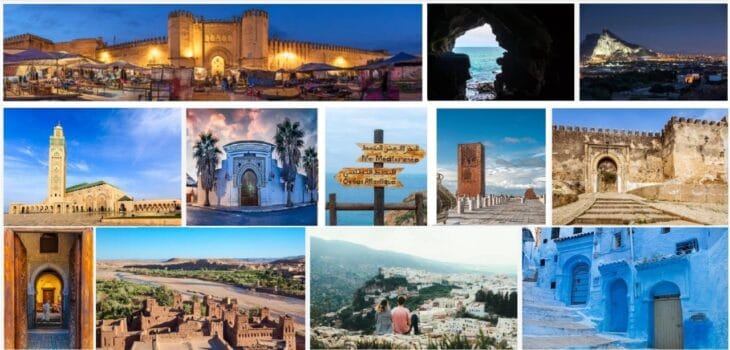
Imagine the electric roar of a stadium during a pivotal World Cup match. Now, imagine that just hours later, you’re sipping sweet mint tea in a serene riad, listening to the call to prayer echo through a centuries-old medina. This is the unique promise of Morocco as it prepares to host AFCON 2025 and co-host the 2030 FIFA World Cup.
This isn’t just a trip to see a football match; it’s an invitation to a cultural odyssey. This guide will help you plan an unforgettable journey that combines the passion of the beautiful game with the magic of Moroccan heritage.
Why Your Football Trip to Morocco is Incomplete Without a Cultural Tour
While the brand-new stadiums in cities like Casablanca and Rabat are marvels of modern architecture, Morocco’s true soul lies in its ancient cities, vibrant markets (souks), and breathtaking landscapes. Extending your stay by even a few days transforms your trip from a simple sporting event into a rich, immersive experience.
Your Host City Itinerary: What to See and Do Near the Stadiums
Most matches will be held in or near major cities. Here’s a quick guide to exploring the cultural treasures just a stone’s throw from the action.
Rabat: The Royal Capital
Match Day Hub: Prince Moulay Abdellah Stadium
Cultural Checklist: Explore the Kasbah of the Udayas, a stunning blue-and-white fortress overlooking the Atlantic. Don’t miss the Hassan Tower and the Mausoleum of Mohammed V. For history enthusiasts, the ancient Roman ruins of Chellah are a must-see.
Marrakech: The Red City’s Vibrant Heart
Match Day Hub: Grand Stade de Marrakech
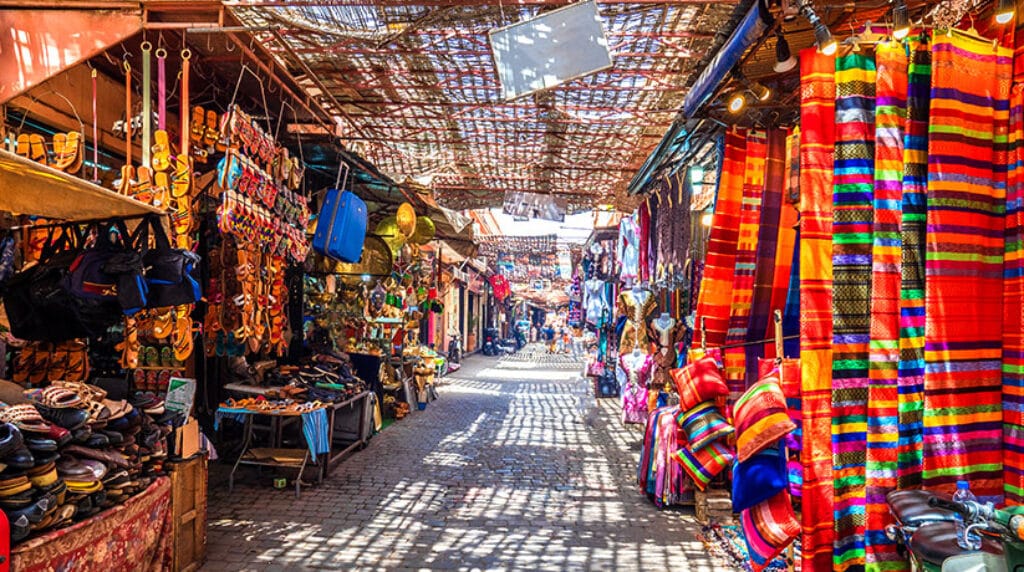
Cultural Checklist: Dive into the chaos and charm of Jemaa el-Fnaa square, where storytellers, snake charmers, and food stalls create a unique spectacle. Get lost in the souks of the Medina (a UNESCO World Heritage site) and find tranquility in the stunning Majorelle Garden.
Fes: The Spiritual Center
Match Day Hub: Fes Stadium
Cultural Checklist: Fes is home to the world’s oldest university, Al-Qarawiyyin. Its medieval medina, Fes el-Bali, is a labyrinth of over 9,000 winding alleys. Witness artisans at work in the famous Chouara Tannery and admire the intricate tilework of the University of al-Qarawiyyin and the Bou Inania Madrasa.
Other Key Destinations
- Casablanca: Visit the magnificent Hassan II Mosque, one of the largest in the world, dramatically perched on the ocean’s edge.
- Tangier: Experience the blend of European and Moroccan culture, and from here, take a scenic trip to Chefchaouen, the Blue City, wandering its famous blue-washed streets and bustling medinas.
- Agadir: Relax on beautiful beaches after a high-stakes match.
- Ouarzazate: Explore Morocco’s cinema studios, known as the “Hollywood of Morocco,” and iconic desert landscapes featured in international films.
Beyond the Game: Unforgettable Day Trips and Adventures
Have a few extra days? Morocco’s diverse geography is one of its greatest assets.
- From Marrakech: Take a day trip to the Atlas Mountains to hike and visit traditional Berber villages, or venture to the coastal town of Essaouira, a UNESCO World Heritage site known for its blue fishing boats and artistic vibe.
- From Fes: Explore the imperial city of Meknès with its Bab Mansour Gate and Lahdim Square, and the nearby Roman ruins of Volubilis, showcasing Morocco’s deep history.
- The Sahara Desert Experience: Book a 2–3 day tour to the Sahara Desert from Marrakech or Fes. Ride a camel over the Erg Chebbi (Merzouga) dunes and spend a night under the stars in a desert camp.
Don’t forget the 15 Important Tips Every Traveler to Morocco Should Know, click here!
A Taste of Victory: Experiencing Moroccan Gastronomy
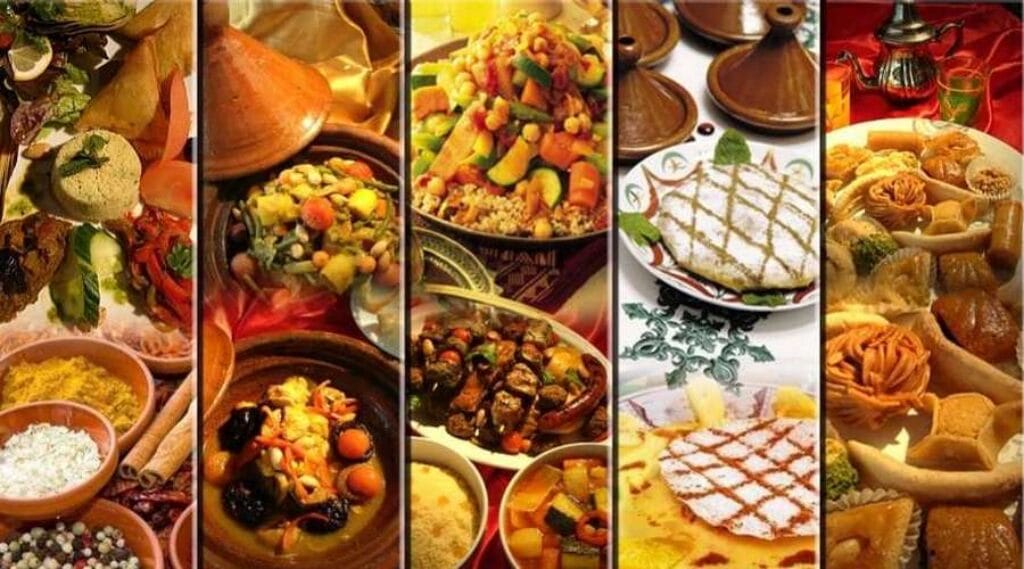
After a day of cheering in the stadium, Moroccan cuisine provides the perfect way to unwind and immerse yourself in local culture. Be sure to try:
- Tagine: Slow-cooked stew with meat, poultry, or fish, vegetables, and spices.
- Couscous: Steamed semolina with vegetables and meat, often served on Fridays.
- Pastilla: Sweet and savory pie with thin pastry, traditionally filled with pigeon or chicken and almonds.
- Harira: Tomato, lentil, and chickpea soup, especially popular during Ramadan.
- Rfissa: Shredded flatbread with chicken, lentils, and fragrant spices.
- Mechoui: Whole roasted lamb, slow-cooked with Moroccan spices.
- Briouats: Pastry triangles stuffed with meat, cheese, or vegetables.
- Mint Tea: Sweet, refreshing, and famously called “Moroccan whisky.”
- Zaalouk: Warm eggplant and tomato salad with garlic and olive oil.
- Mrouzia: Lamb tagine with raisins, almonds, and honey for special occasions.
- Street Food: Grilled meats, soups, and fresh bread from local markets.
For more about moroccan culinary art, click here
Frequently Asked Questions (FAQ)
Q: Is Morocco safe for tourists during mega-events?
A: Yes, Morocco is generally safe, with security significantly heightened during AFCON and the World Cup. Standard travel precautions are recommended.
Q: What is the best way to travel between cities?
A: Morocco has a modern train network, including the high-speed Al Boraq connecting Tangier, Rabat, and Casablanca. CTM buses are a comfortable option for other destinations.
Q: What should I wear to respect the local culture?
A: Morocco is tourist-friendly but predominantly Muslim. Dressing modestly is recommended, especially at religious sites—covering shoulders and knees for both men and women.
Conclusion: More Than a Match, It’s a Memory
By hosting AFCON 2025 and the 2030 World Cup, Morocco isn’t just inviting you to a football tournament—it’s offering a journey through ancient medinas, cinematic deserts, bustling souks, and world-class stadiums. Extend your stay, explore its heritage, taste its cuisine, and you’ll leave with memories of both sport and culture—the true spirit of Morocco.