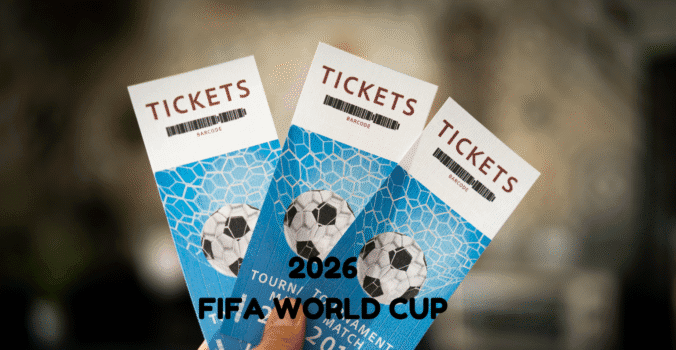
The race for 2026 FIFA World Cup tickets has officially begun, and this time, it’s not just about being quick on the keyboard. It’s about understanding a new game: dynamic pricing, global demand, and how FIFA has turned tickets into something closer to airline seats than simple passes to a football match.
For Moroccan fans, and millions across the world, this shift raises real questions: Who will actually get to experience the World Cup live? And at what cost?
A New Era: Football Meets Airline Economics
For the first time in a men’s World Cup, FIFA is introducing dynamic pricing on a large scale. Think of it like booking a flight: the earlier you buy, the better your chances of finding the “base” price. Wait too long, and the price may soar depending on demand.
While base tickets start at $60 for group-stage matches, the reality is more complex. Popular matches, like those featuring football giants or host nations, will likely climb well into the hundreds of dollars, sometimes surpassing $300 for standard seats. And for the Final? Top-category tickets cap at $6,730 before dynamic surges, making the showpiece event as expensive as a small car in Morocco.
FIFA justifies this as “market alignment.” Critics call it a soft way of auctioning passion. Either way, ticket buying for 2026 is no longer a simple queue, it’s a pricing algorithm battle.
Base prices and known ceilings (pre-adjustment)
These are the “starting” or announced price ranges before dynamic adjustments:
| Stage / Type | Known starting / base price (USD) | Notes / upper ranges |
| Group stage matches | $60 | The lowest‐priced tickets are expected to begin here. |
| Final matches (top category) | Up to $6,730 | That’s the cap for many top seats before additional dynamic premium. |
| Hospitality / VIP packages | Ranges begin in the thousands of USD per match | For example, official hospitality packages are listed and vary by package. |
Passion vs. Purchasing Power
Football has always prided itself on being “the people’s game.” But in recent years, especially with global tournaments, that idea has been quietly tested. With dynamic pricing, the tension between passion and purchasing power is becoming unavoidable.
For Moroccan supporters dreaming of following their national team across North America, this isn’t just a logistics problem, it’s a financial strategy. It means planning early, navigating multiple phases of ticket draws, and maybe even making tough choices: group-stage matches vs. knockouts, stadium experience vs. watching with a community at home.
And for many fans in Africa, Latin America, and Asia, dynamic pricing adds a layer of exclusion. A seat that starts at $60 can quickly become inaccessible when it dynamically adjusts to a wealthy market. In essence, the stadium may increasingly reflect who can afford to play FIFA’s pricing game, not just who loves the game the most.
The Draw System: Luck Meets Algorithms
The structure of the sales phases resembles a lottery more than an open market.
- Visa Presale Draw (Sept 2025): Only Visa cardholders could apply. Winning gives you a time slot to buy, not a guarantee.
- Early Ticket Draw (Oct–Dec 2025): Similar lottery logic.
- Open Sale (Post-Draw, Dec 2025 onward): First-come, first-served, but likely with fewer cheap tickets left.
This setup creates a two-tiered world: those who plan ahead and get lucky in draws may still find base-price tickets, while latecomers will face dynamic surges. It rewards foresight, but also privilege — Visa cards, stable internet, and international payment methods are not equally distributed across the world.
For Moroccan fans, this might be the moment to coordinate collectively. Supporter groups, travel clubs, or even digital communities can organize applications strategically to increase their chances during the draw phases.
Hospitality: The Parallel World
Then there’s the other world, hospitality packages. These are already on sale, starting around $2,000 per match, often bundled with lounge access, drinks, and perks.
For FIFA, these are guaranteed revenue. For ordinary fans, they highlight the growing divide between premium experiences and regular stands. Hospitality packages are essentially immune to the draw system and dynamic pricing limits, they’re sold like luxury events.
The message is subtle but clear: if you can pay enough, the World Cup will always have a seat for you.
The Real Cost of a Dream Trip
Ticket prices are only part of the story. Add flights from Morocco to North America, domestic travel between stadiums, accommodation in cities like New York, Los Angeles, or Toronto, and daily expenses, and the numbers grow rapidly.
Even attending two or three matches could cost thousands of dollars, especially as hotels and flights adopt their own dynamic pricing strategies closer to the tournament. The 2026 World Cup might be the most logistically and financially complex tournament ever hosted.
Why This Matters
Dynamic pricing isn’t just a technical change, it’s a philosophical shift. It reframes World Cup attendance from a shared global celebration to a strategic, high-stakes transaction.
For fans in Morocco and beyond, the 2026 ticket journey will be about more than money. It will test preparation, adaptability, and community solidarity. Whether this new system brings more fairness or simply favors the wealthiest remains to be seen.
One thing is certain: the World Cup ticket hunt has officially entered a new era, and it’s not for the unprepared.
Related:
Morocco Beat Brazil to Reach U20 Semi-Finals
Follow the Atlas Lions at the 2026 World Cup: Ticket Prices Revealed