The Kingdom of Morocco is about to take centre stage in the global film arena. In a major move that signals both recognition and ambition, Morocco has been selected as the “Country in Focus” at the upcoming European Film Market (EFM), which will be held from February 12–18, 2026, as part of the 76th edition of the Berlin International Film Festival (Berlinale). This appointment is historic: Morocco becomes the **first African country** to receive the “Country in Focus” designation at the EFM.
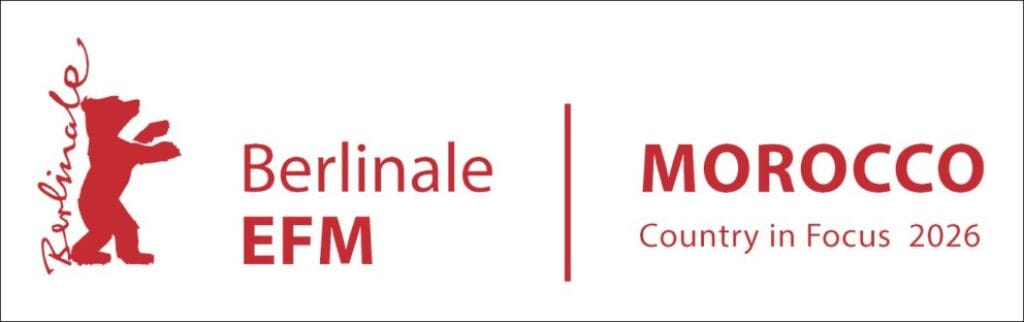
“Country in Focus“: Marokkos Filmindustrie im Zentrum des European Film Market der Berlinale 2026. Credits: Berlinale.de
A Cinematic Landmark for Morocco
This selection marks a pivotal moment for Moroccan cinema. It acknowledges the country’s rich storytelling heritage, its growing presence on the international film festival circuit, and its evolving production infrastructure. According to Berlinale director Tricia Tuttle, “Moroccan cinema has a proud history of storytelling that resonates far beyond its borders.” The EFM emphasises that Moroccan filmmakers such as Nabil Ayouch, Maryam Touzani, Faouzi Bensaïdi, Asmae El Moudir and Halima Ouardiri bring unique perspectives to global cinema.
Related: Ouarzazate: The City of Oases, Kasbahs, and Cinema Magic
Bridging Africa, the Arab World & Europe
Morocco’s selection underscores its role as a cultural and production bridge between Africa, the Arab world and Europe. With decades of participation in the Berlinale and EFM programmes, Morocco has built ties across continents. Organisers note how Moroccan films, producers and talent have become regular fixtures in international festivals and markets. The “Country in Focus” programme, launched in 2017, has previously spotlighted countries such as Mexico, Canada, Norway, Chile, the Baltic states, Italy and Spain. For 2026, the spotlight turns to Morocco.
Why Morocco? Production, Incentives & Creative Energy
Several factors make Morocco a compelling candid ate for this honour. First, its landscapes range from the Atlas mountains and the Sahara desert to historic cities like Marrakech, Ouarzazate and Casablanca, all of which attract international film productions. Secondly, the Moroccan film sector has introduced competitive incentives: including a 30% cash-rebate for foreign productions and co-production agreements with multiple countries. Thirdly, Morocco’s film ecosystem continues to grow, supported by initiatives such as the “Ateliers de l’Atlas” which nurture emerging Moroccan and regional talent.
What This Means for Morocco’s Film Industry
Being Country in Focus at the EFM means Morocco will gain heightened visibility among producers, distributors, investors and international professionals across fiction, documentary, animation and series. It will open up avenues for new co-productions, cross-border collaborations and greater global distribution of Moroccan content. The spotlight also reinforces Morocco’s ambition to be a major hub for production and creative talent in the region.
The Road Ahead: Collaboration & Growth
Looking ahead, the Moroccan film sector is poised to capitalise on this recognition. With the 2026 Berlinale providing a global platform, Moroccan films and creators should gain stronger access to markets, financing and networks. Domestic infrastructure and human resources will remain central to realising this potential. The appointment also encourages Moroccan stakeholders — from the Centre Cinématographique Marocain (CCM) to production companies, to step up international outreach and partnerships. As CCM Director Mohammad-Reda Benjelloun declared: “Being the country in focus in Berlin is a testament to how culture and coexistence nourish an art form and a language that have become truly universal: cinema.”
A New Chapter for Moroccan Cinema
This moment marks not simply recognition for past achievements, but a launch pad for Morocco’s film industry into a more ambitious future. With the international eyes of the industry turned toward Morocco in 2026, the Kingdom is well placed to elevate its storytelling, expand its production capacity and amplify its voice. The “Country in Focus” status at the EFM is not just an honour, it is an invitation to global cinema to look, to partner and to invest in Moroccan creativity.