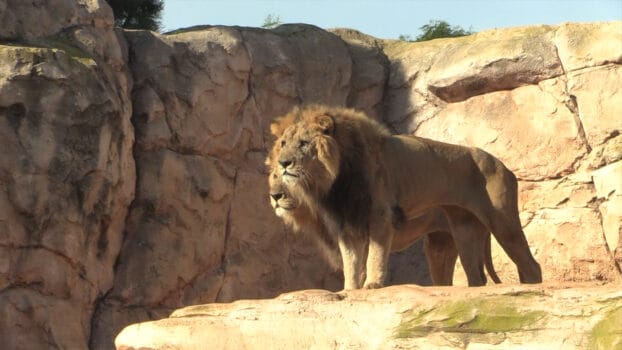
The Atlas Lion Morocco, also known as the Barbary lion, is one of the most iconic big cats to have ever roamed North Africa. Once inhabiting the Atlas Mountains and surrounding forests, this lion was notable for its massive size, dark mane, and powerful presence. Today, although extinct in the wild, the Atlas Lion remains a symbol of Morocco’s natural heritage, cultural pride, and national identity.
Scientific Background
The Atlas Lion Morocco was one of the largest lion subspecies in the world. Adult males could weigh between 190–250 kg (420–550 lbs), with shoulder heights of up to 1.2 meters. Their thick dark mane often extended over the shoulders and belly, a feature unique among lions, believed to offer protection during fights. Genetically, studies show that Barbary lions were closely related to lions from West and North Africa, forming a distinct lineage within the species Panthera leo leo.
Atlas Lions were apex predators, feeding on deer, wild boar, gazelles, and smaller mammals. They played a crucial role in the ecological balance of the Atlas Mountains, controlling herbivore populations and maintaining the health of forests. Their extinction in the wild, caused by hunting and habitat destruction in the 19th and 20th centuries, significantly impacted local ecosystems.
Extinction and Conservation Efforts
By the mid-20th century, the Atlas Lion Morocco disappeared from its natural habitat. Captive populations survived in zoos and private collections, particularly in Europe and Morocco. Conservationists are now using genetic studies to identify descendants of pure Barbary lions to potentially revive the lineage through controlled breeding programs.
Organizations like the World Wildlife Fund and Moroccan wildlife associations emphasize the importance of habitat preservation, genetic research, and raising public awareness to ensure that Morocco’s remaining wildlife thrives.
Cultural Significance
The Atlas Lion Morocco holds profound cultural symbolism. Traditionally, it represented courage, strength, and resilience, values deeply ingrained in Moroccan society. Historically, the lion appeared in Berber art, local myths, coins, and royal emblems, highlighting its importance across centuries.
In modern times, the Atlas Lion has become a symbol of Moroccan national pride, often associated with sports teams, especially the Moroccan national football team. Its image is used in logos, merchandise, and banners during international competitions, inspiring fans and athletes alike with the lion’s legendary bravery and majesty.
Atlas Lion in Art and Folklore
Moroccan literature and visual arts frequently reference the Atlas Lion. Paintings, mosaics, and carvings depict the lion as a guardian of the mountains and protector of communities. Folktales tell of lions teaching lessons of courage and honor to humans, reinforcing the animal’s symbolic importance in Moroccan culture.
Tourism and Education
Although extinct in the wild, the Atlas Lion continues to attract tourists and researchers. Visits to museums, wildlife centers, and national parks in Morocco allow people to learn about this majestic animal and its historical habitat. Educational programs emphasize wildlife conservation and the preservation of Morocco’s biodiversity.
Exploring the Atlas Mountains today, visitors can also witness other native species thriving in protected reserves. The story of the Atlas Lion Morocco remains a powerful lesson in ecology, human responsibility, and national pride.
The Atlas Lion Morocco is more than a lost species, it embodies the spirit of Morocco. From its ecological role in the Atlas Mountains to its symbolic presence in culture, folklore, and national identity, the lion represents courage, strength, and Moroccan pride. Remembering this majestic animal helps inspire conservation efforts and strengthens appreciation for Morocco’s natural and cultural heritage.