Located in the far northeast of Morocco, Oujda is one of the country’s most underrated travel destinations.
Far from mass tourism, this historic city invites travelers to experience an authentic Morocco shaped by centuries of history, cultural diversity, and regional pride. Founded in the 10th century, Oujda stands today as the vibrant capital of the Oriental region, blending heritage and modern life with remarkable balance.
Oujda at a Glance
Oujda enjoys a strategic position near the Moroccan-Algerian border and acts as a cultural and economic gateway between the Mediterranean coast, the Beni Snassen mountains, and inland Morocco. Its proximity to Saïdia, Nador, and the Mediterranean makes it an ideal base for exploring the Oriental region.
A City Shaped by History
Oujda was founded by Ziri Ibn Attia of the Zenata tribe as a fortified stronghold against Fatimid expansion.
Over the centuries, it witnessed key moments in Moroccan history, including the Battle of Isly in 1844,
the Treaty of Lalla Maghnia in 1845, and its active role in the Moroccan independence movement.
In 1953, the city welcomed Sultan Mohammed V during his exile, cementing its image as a stronghold of nationalism.
The Medina: Heartbeat of Oujda
Encircled by ancient ramparts, Oujda’s medina is a living museum. Narrow alleys lead visitors through bustling
souks, artisan workshops, and historic houses colored in earthy tones. The medina reflects a deep-rooted way
of life where craftsmanship, community, and tradition remain central.
Jamaa Al Kabir Mosque
One of Oujda’s most important landmarks, Jamaa Al Kabir Mosque dates back to the 13th century. Built under the
Marinid dynasty, it is admired for its elegant minaret and spiritual atmosphere. At its entrance, the famous
“Tlat Skaki” fountains decorated with colorful zellige tiles add artistic charm to this sacred space.
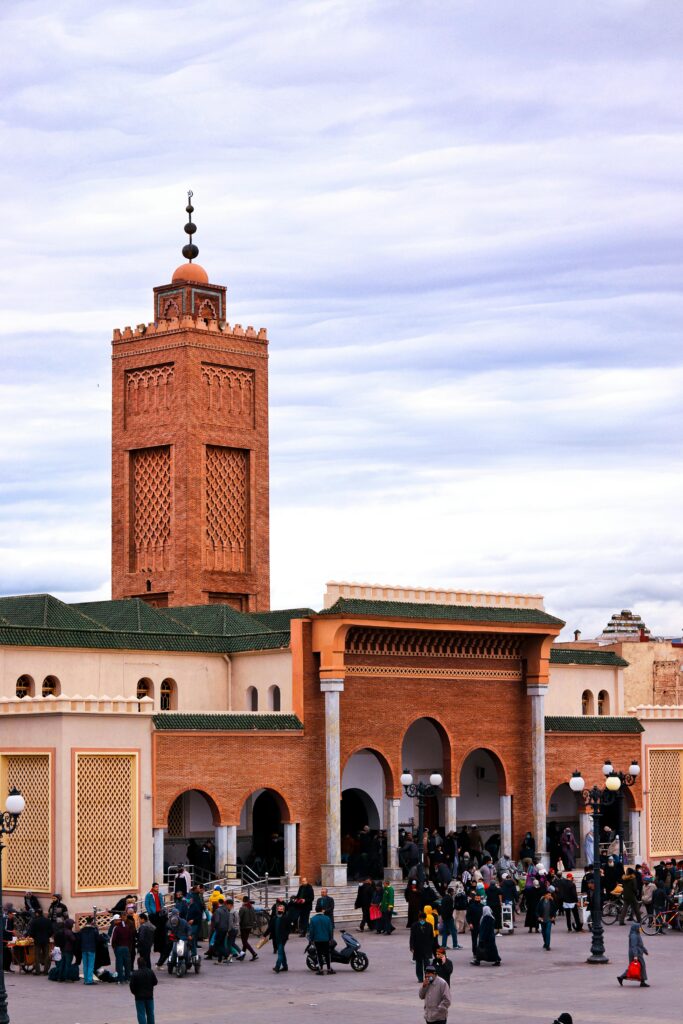
The Great Misque. Oujda, Morocco. Photo Credit: Ayoub Lensman/ Pexels
Architectural and Cultural Landmarks
Near the mosque stands the Marinid Medersa, an example of refined Moroccan Islamic architecture and a former center of religious learning. Bab Sidi Abdelwahab, one of the city’s historic gates, opens onto a lively square
often animated by street performances, including the traditional Reggada dance unique to the region.
Parks and Green Spaces
Lalla Aicha Park is Oujda’s green lung and a favorite gathering spot for families and students. Shaded by
eucalyptus trees, it offers a peaceful escape from the city’s rhythm while reflecting Oujda’s commitment
to urban balance and quality of life.
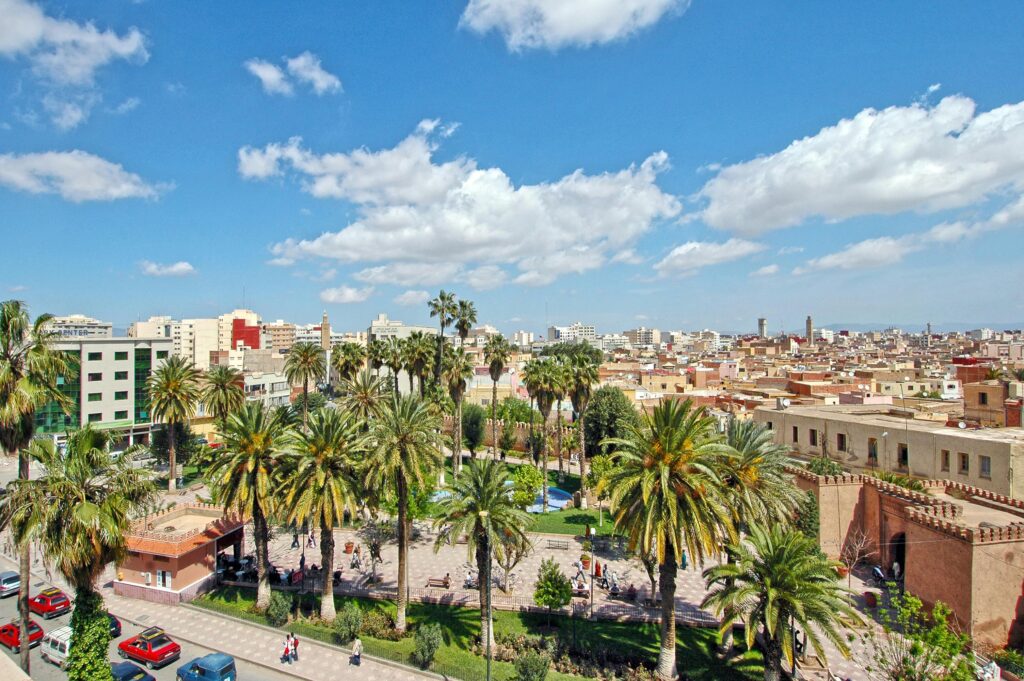
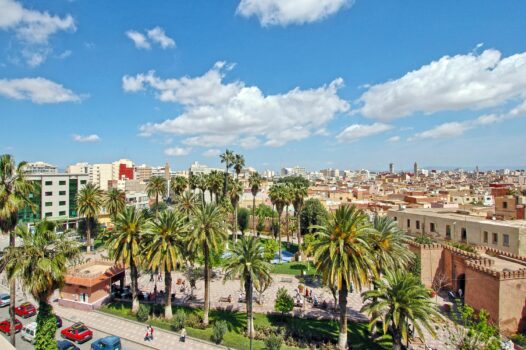
Panoramic View of Oujda, Oriental. Photo Credit: Moussa Idrissi/ Pexels
Beyond the City: Nature and Adventure
The surroundings of Oujda offer exceptional natural diversity. The Beni Snassen mountains provide hiking trails through dramatic landscapes, while the Zegzel Valley features waterfalls, caves, and lush scenery ideal for eco-tourism and outdoor exploration.
Oujda and Saïdia: Culture Meets the Mediterranean
Just 60 kilometers away, Saïdia—known as the “Blue Pearl of the Mediterranean”—offers a perfect seaside contrast
to Oujda’s historical depth. With its 14 km sandy beach, marina, and water sports, Saïdia complements Oujda’s
cultural richness with relaxation and coastal leisure.
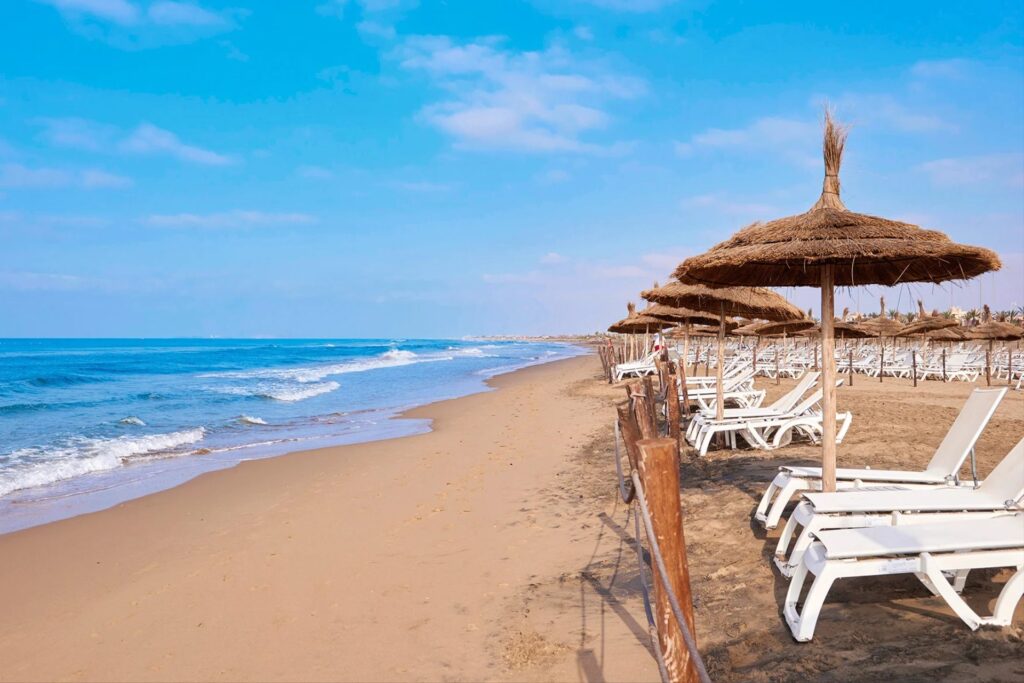
Saïdia Beach. Photo Credit: www.golfandmore.com
Marchica Lagoon
Near the Mediterranean coast, Marchica Lagoon is an ecological gem renowned for its biodiversity. It is home
to migratory birds and diverse marine life, making it a must-visit for nature lovers and photographers.
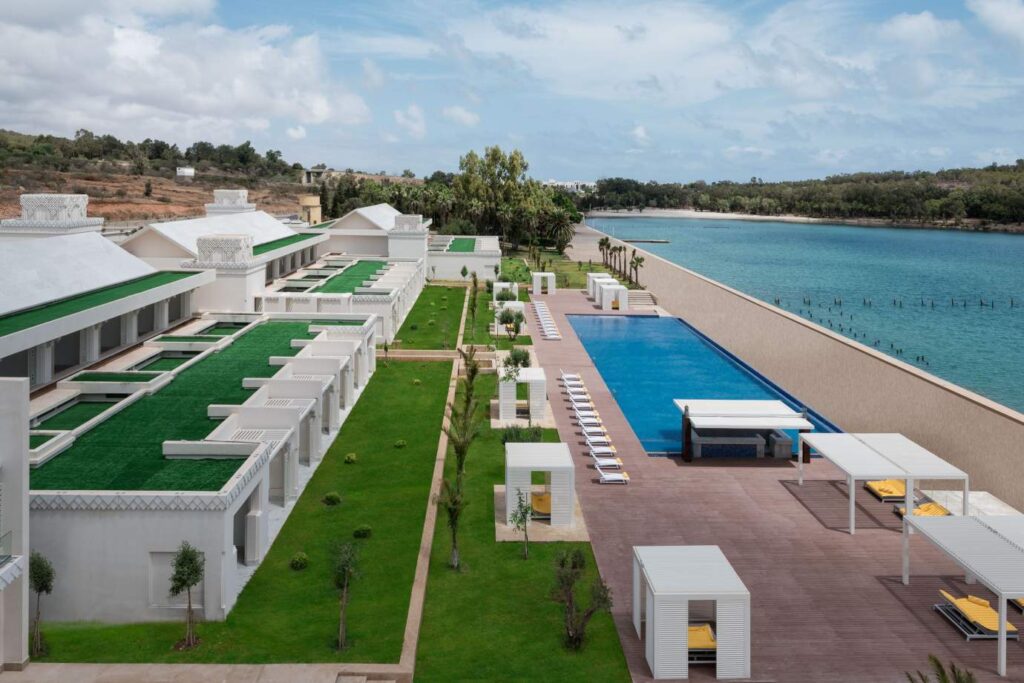
Marchica Resort. Photo Credit: marchicaresort.com
Local Cuisine: A Feast of Flavors
Oujda’s gastronomy reflects Amazigh, Andalusian, and Maghrebi influences. Signature dishes include Karane
(chickpea flan), Tehan from Jewish culinary heritage, and Bakbouka traditionally prepared during Eid.
Sweet treats such as Kaak and Makrout pair perfectly with Barida, Oujda’s refreshing citrus drink.
Festivals and Cultural Life
Oujda hosts major cultural events throughout the year. The International Rai Festival celebrates the region’s
iconic music, while the Maghreb Film Festival highlights regional cinema. The Blouza Festival honors the city’s
traditional women’s dress through fashion shows and exhibitions.
Why Visit Oujda?
Oujda is a destination for travelers seeking authenticity, history, and cultural depth. From its ancient medina
to its vibrant festivals, from mountain adventures to Mediterranean escapes, the city offers a complete and
immersive Moroccan experience—quietly powerful, deeply rooted, and warmly welcoming.
Oujda Climate: Continental Character with Hot Summers and Cold Winters
Oujda features a continental, dry climate, influenced by its inland location and proximity to the Beni Snassen mountains.
During the summer months, the city experiences high temperatures and dry conditions, making the mornings and evenings the best times for exploration.
In winter, temperatures drop significantly, and the city can become quite chilly, especially at night and early in the morning.
On rare occasions, with the arrival of cold air masses, Oujda or its surrounding highlands may even witness light snowfall, adding a unique touch to the city’s climate and highlighting its seasonal diversity.