Oualidia sits quietly along Morocco’s Atlantic coast between the cities of El Jadida and Safi. Located about 200 kilometers south of Casablanca and roughly 160 kilometers from Marrakech, this small coastal town attracts travelers who look for calm landscapes, fresh seafood, and nature focused experiences away from the larger tourist centers. The destination centers around a natural lagoon protected by a narrow sand barrier that separates the calm inner waters from the open Atlantic Ocean. This lagoon environment shapes the identity of Oualidia and explains why the town has become one of Morocco’s most recognized destinations for oysters and coastal ecology.
The geography of Oualidia creates a rare natural harbor along a section of coastline known for strong Atlantic waves. As a result, the lagoon remains calm even when the ocean outside the sandbank becomes rough. Local fishermen and oyster farmers have used this sheltered environment for decades. Visitors now arrive not only to taste fresh seafood but also to explore wetlands, observe migratory birds, and experience a slower rhythm of coastal life.
Where Oualidia Is Located
Oualidia lies in Morocco’s Casablanca–Safi region along the coastal road connecting El Jadida and Safi. Travelers often reach the town by car from Casablanca in approximately two and a half hours using the A1 highway before turning toward the coast near El Jadida. From Marrakech the drive usually takes between three and three and a half hours depending on traffic and the route chosen.
The lagoon stretches for roughly three kilometers behind a narrow sand barrier that protects it from direct Atlantic waves. This natural formation creates shallow waters where fishing boats and oyster farms operate safely throughout much of the year. Because the lagoon opens toward the ocean at its southern end, tidal movement continues to refresh the water, which helps maintain conditions suitable for aquaculture.
This geography explains why Oualidia differs from many other Moroccan coastal towns. While many beaches along the Atlantic experience strong currents and large waves, the lagoon offers calmer water that supports both marine farming and recreational activities.
The Lagoon Ecosystem
The lagoon ecosystem represents one of the most important environmental features of Oualidia. Shallow waters, sandbanks, and marsh vegetation create habitats for fish, shellfish, and migratory birds. During the winter months birdwatchers frequently observe flamingos, herons, and other species that stop in the lagoon while migrating between Europe and Africa.
This biodiversity has attracted scientific attention for decades. Environmental researchers study the lagoon because it illustrates how coastal wetlands support both ecological diversity and local economic activity. Oyster farming, small-scale fishing, and tourism all depend on maintaining healthy water conditions within the lagoon.
Visitors walking along the shoreline can often see rows of oyster racks placed in the shallow water. These structures hold shellfish baskets that farmers regularly inspect and clean. The visible presence of aquaculture helps travelers understand how seafood production connects directly to the lagoon’s ecological balance.
Oualidia and Morocco’s Oyster Culture
Oualidia gained international recognition for its oyster production. Oyster farming began developing in the lagoon during the 1950s when marine specialists identified the site as suitable for shellfish cultivation. Over time local producers refined techniques for growing oysters in controlled baskets placed within tidal waters.
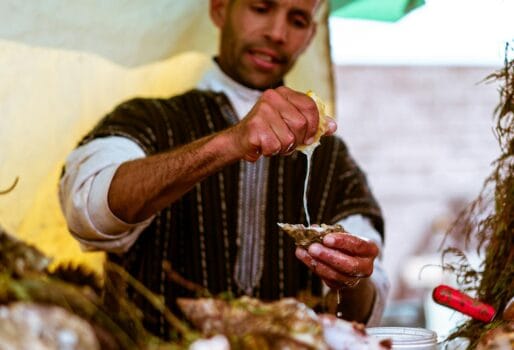
Today the lagoon hosts several oyster farms that supply seafood markets across Morocco. Restaurants along the waterfront often serve oysters harvested only hours earlier from the lagoon itself. Visitors commonly order plates of freshly opened oysters accompanied by lemon, bread, and traditional Moroccan salads.
The reputation of Oualidia as Morocco’s oyster center has attracted international attention. Publications such as the story presented in How The Times Discovered Morocco’s Oyster Paradise highlight how the town became known among seafood enthusiasts searching for authentic coastal dining experiences.
Seafood Restaurants Along the Lagoon
The waterfront promenade of Oualidia hosts several restaurants that specialize in seafood dishes prepared with products sourced directly from the lagoon and the nearby Atlantic. Menus typically include oysters, grilled fish, shrimp, sea bream, and traditional Moroccan seafood tagines.
Many restaurants arrange tables on terraces overlooking the lagoon so visitors can observe oyster farms and fishing boats while dining. This direct visual connection between the meal and the surrounding environment helps explain why seafood remains the central attraction of the town.
Prices remain relatively accessible compared with larger coastal resorts. A plate of fresh oysters often ranges between 60 and 120 Moroccan dirhams depending on the restaurant and portion size. Grilled fish dishes usually cost between 120 and 200 dirhams depending on the species and preparation.
Outdoor Activities in Oualidia
Although seafood draws many visitors to Oualidia, the surrounding landscape also supports several outdoor activities. Kayaking and small boat excursions allow visitors to explore the lagoon’s shallow waters and observe oyster farms up close. Guides often explain how tidal cycles influence water circulation within the lagoon.
The sand barrier separating the lagoon from the Atlantic Ocean also attracts visitors interested in walking or birdwatching. From this vantage point travelers can observe two very different marine environments at once. On one side the lagoon remains calm and protected, while the Atlantic waves break against the outer shoreline.
Surfing also appears along sections of the outer coast where waves become stronger. While Oualidia does not compete with Morocco’s major surf destinations, experienced surfers occasionally explore nearby beaches when conditions align.
Best Time to Visit Oualidia
The climate of Oualidia remains moderate throughout much of the year due to Atlantic ocean influence. Summer months between June and September attract the highest number of visitors, particularly Moroccan families who travel to the coast during school holidays. During this period daytime temperatures usually range between 24 and 30 degrees Celsius.
Spring and autumn often provide ideal conditions for travelers seeking quieter visits. Temperatures remain comfortable while tourist crowds remain smaller. These seasons also attract birdwatchers who arrive to observe migratory species passing through the lagoon.
Winter months remain mild compared with inland Moroccan regions. Rainfall increases slightly during this period, yet the coastal landscape often becomes greener as a result.
Combining Oualidia with Other Atlantic Destinations
Many travelers include Oualidia as part of a broader journey along Morocco’s Atlantic coast. After visiting the lagoon, some continue south toward Safi and the historic port city of Essaouira. The coastal landscapes change gradually along this route, shifting from agricultural plains to windswept cliffs and sandy beaches.
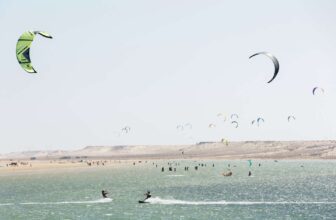
Essaouira offers a very different atmosphere compared with the quiet rhythm of Oualidia. Strong Atlantic winds shape daily life in the city and attract windsurfers and kitesurfers from around the world. Travelers interested in exploring that destination further can read Essaouira: Wind, Gnawa, and the Atlantic, which explains how the city’s maritime culture developed.
Travelers planning a longer visit to the region often consult broader travel resources such as Essaouira Morocco Travel Guide 2026. These guides outline how visitors can combine coastal cities, cultural festivals, and Atlantic landscapes within a single itinerary.
Why Oualidia Remains a Unique Coastal Destination
Oualidia continues to attract visitors because it offers a different type of coastal experience compared with Morocco’s larger seaside resorts. Instead of focusing on nightlife or large beach resorts, the town emphasizes lagoon ecology, seafood traditions, and quiet natural landscapes.
The combination of oyster farming, bird habitats, and calm water environments creates a coastal setting that remains closely connected to local livelihoods. Visitors who spend time walking along the lagoon quickly observe how fishing boats, oyster racks, and restaurants form part of a single ecosystem.
For seafood lovers and nature seekers, Oualidia offers a rare balance between gastronomy and environmental discovery. The lagoon continues to define the town’s identity, and careful management of its ecosystem will remain essential for preserving one of Morocco’s most distinctive coastal landscapes.