Estimated reading time: 3 minutes
How many players are allowed? When are final squads announced? Here’s the complete FIFA guide to official team lists for the 2026 World Cup.
Building the final squad for the FIFA World Cup 2026™ remains one of the most strategic challenges for national team coaches. With expanded competition formats and increased physical demands, selecting the right group of players is more critical than ever.
A Historic 48-Team World Cup
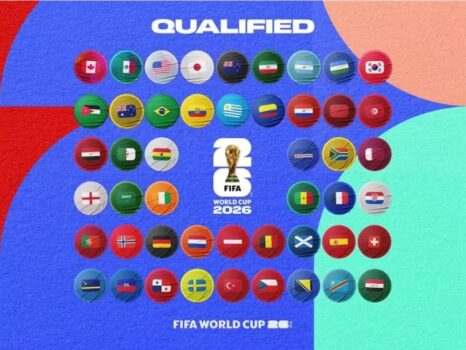
The 2026 tournament, hosted by the United States, Canada, and Mexico, will feature 48 national teams, making it the largest World Cup in history. This expansion has directly influenced squad management rules and preparation timelines.
Official Squad Announcement Date
According to FIFA, the official final squads of all participating teams will be announced on Tuesday, June 2, 2026.
While teams may reveal preliminary selections earlier, only FIFA-approved lists published on this date will be considered official.
How Many Players Are Allowed?
Preliminary Squad
- 35 to 55 players
- Must include at least 4 goalkeepers
- Confidential list (not publicly released)
Final Squad
- 23 to 26 players
- Must include at least 3 goalkeepers
- Official FIFA-approved squad
As in the Qatar 2022 World Cup, teams can register up to 26 players, allowing greater flexibility in managing injuries, fatigue, and tactical options.
Player Replacement Rules
FIFA regulations allow limited changes after the final squad submission:
- Players can be replaced up to 24 hours before the team’s first match in case of serious injury or illness.
- Replacements must come from the preliminary squad list.
- Goalkeepers can be replaced at any time during the tournament under exceptional circumstances.
Player Release Timeline
To ensure player availability, FIFA has established strict release rules:
- May 25, 2026: Mandatory player release period begins after club competitions.
- Exceptions allowed until May 30, 2026 for players involved in continental finals, subject to FIFA approval.
Historical Evolution of World Cup Squads
| Period | Squad Size | Context |
|---|---|---|
| 1930 – 1998 | 22 players | Traditional squad format |
| 2002 – 2018 | 23 players | Modern tactical expansion |
| 2022 – 2026 | Up to 26 players | Adaptation to congested calendars and injuries |
Why Squad Size Matters in 2026
The expanded squad size reflects the increasing intensity of modern football. With more matches, travel demands, and climate variations across North America, teams must rely on depth, rotation, and adaptability.
For coaches, selecting the final 26 players is not just about talent, but about building a balanced group capable of performing consistently under pressure on the global stage.
Conclusion
The squad regulations for the FIFA World Cup 2026™ combine flexibility with strict structure. From preliminary lists to final selections, every decision can influence a team’s success.
As the June 2 deadline approaches, all eyes will be on national team announcements, where strategy, form, and fitness converge to define the road to World Cup glory.
More World Cup 2026 Guides:
- How to Get FIFA World Cup 2026 Tickets: Prices, Sales Phases, Draw Details & Morocco’s Full Match Guide
- FIFA World Cup 2026™: Full Match Schedule (All 104 Games)
- FIFA World Cup 2026: Complete Guide for Moroccan Fans Traveling to the United States
- 2026 FIFA World Cup in the United States: Complete Travel Guide (Visa, Cities, Budget & Tips)