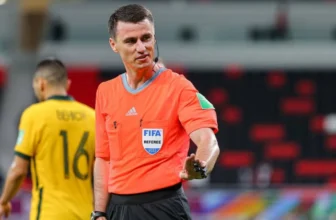
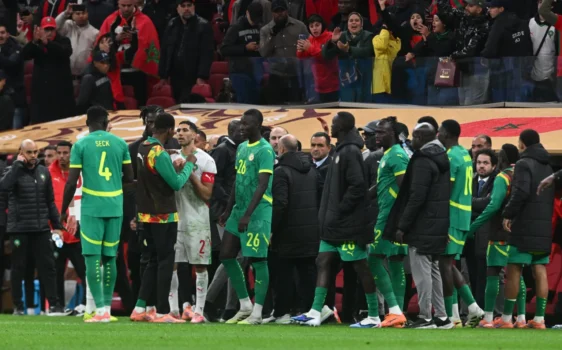
The Africa Cup of Nations 2025 final generated intense debate across the football world, not only because Senegal defeated Morocco 1–0 to lift the trophy, but also due to refereeing decisions that inflamed tensions late in the match. In the aftermath, the Confederation of African Football (CAF) announced disciplinary measures against several federations, players, and coaches. Yet one notable absence stood out: the referee, whose decisions were central to the controversy, faced no public sanctions.
The closing minutes of the final were particularly chaotic. Senegal briefly left the pitch in protest against a penalty awarded to Morocco, a decision widely viewed by analysts as correct. Earlier in the match, a Senegalese goal was ruled out, with several refereeing experts later arguing that it should have been allowed. These incidents raised a key question among fans and pundits alike: why was the referee not held publicly accountable?
The Legal Shield Protecting On-Field Decisions
A major part of the explanation lies in football’s laws and governance structure. Under the Laws of the Game set by the International Football Association Board (IFAB), referees’ technical decisions made during play are final and cannot be challenged through disciplinary bodies. This principle grants referees a form of legal immunity, even when their judgments provoke controversy.
Another decisive factor was the timing of the whistle. By stopping play before the ball crossed the line, the referee effectively prevented VAR from intervening. Once play is halted, video review has no legal authority to reassess the situation, making the call unreviewable from a regulatory standpoint.
Silent Consequences and Deeper Structural Issues
CAF also operates with a strict separation of responsibilities. Disciplinary committees address misconduct and behavioral issues, while refereeing performance is evaluated internally and confidentially by the referees’ committee. As a result, referees rarely appear in public disciplinary statements unless match manipulation is involved.
This does not mean there are no consequences. Officials who lose control of major matches often face a “silent freeze,” where negative internal reports quietly block future appointments to high-profile games or major tournaments. The episode has also reignited criticism of inconsistent VAR usage across African domestic leagues and ongoing instability within CAF’s refereeing leadership, structural problems that continue to undermine trust in officiating at the highest level.
Related: