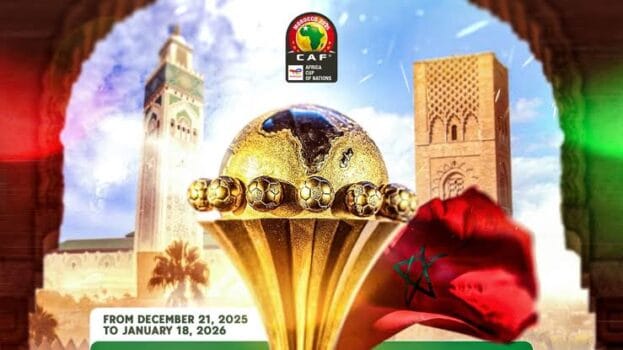
Sports Events as a Driver of Growth
Hosting international tournaments like AFCON and the FIFA World Cup creates powerful momentum for investment. Infrastructure projects such as modern stadiums, airports, roads, railways, and hotels are not built only for a few weeks of competition. They remain in place for decades, serving Moroccan citizens, businesses, and communities long after the final whistle. This ensures that sports investments contribute to sustainable national growth.
Benefits Beyond Football
Organizing global events strengthens multiple sectors of the Moroccan economy:
- Tourism: Millions of visitors discover Morocco’s culture, cities, and heritage, boosting local economies.
- Employment: Construction projects, hospitality, transport, and event management create thousands of jobs for Moroccan youth.
- Urban Development: Host cities benefit from modern infrastructure that improves everyday life for residents.
- International Recognition: Morocco enhances its global image as a safe, stable, and dynamic destination.
Social Demands and Sports Are Not Contradictory
It is natural for Moroccan citizens to demand improvements in healthcare and education. These are legitimate and necessary priorities. However, investing in sports and infrastructure does not weaken these efforts; instead, it strengthens the economy and creates the resources needed to support social reforms. In other words, sports serve as a catalyst to accelerate progress in other vital sectors.
A Trusted Partner for CAF and FIFA
Both CAF and FIFA have reaffirmed their confidence in Morocco’s ability to deliver world-class tournaments. The Kingdom has already proven itself by successfully hosting numerous continental and international competitions. Morocco’s vision is long-term: to position itself as a regional hub for sports, tourism, and sustainable development.
Rather than undermining Morocco, the spread of rumors only highlights the Kingdom’s growing role in global sports. AFCON 2025 and the 2030 World Cup will not only celebrate football but also showcase Morocco’s economic resilience, cultural richness, and commitment to progress.