Image credit: Wikimedia Commons, CC BY 3.0
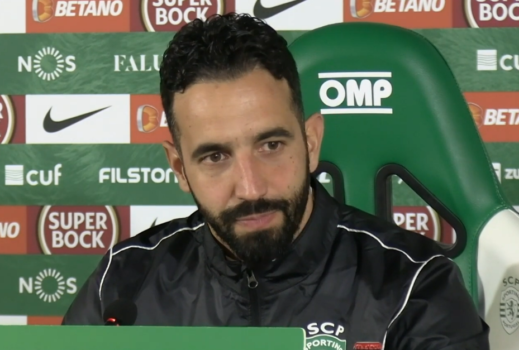
Manchester United’s managerial direction has been under intense scrutiny, and recent reports around Ruben Amorim and his future have reignited debate about how a coaching change could affect key players. Among those most exposed to any tactical reset is Noussair Mazraoui, whose role at Manchester United is closely tied to system, structure, and positional demands.
While Manchester United have experienced frequent managerial transitions in recent seasons, the potential exit of a coach with Amorim’s clearly defined tactical ideas would carry specific implications for players like Mazraoui, whose value lies in versatility and game intelligence.
A System Player in a System-Driven Era
Amorim’s coaching identity is strongly associated with structured builds, positional discipline, and wing-back usage. In such frameworks, full-backs are not simply defenders; they become hybrid profiles responsible for progression, balance, and transitional control. Mazraoui, by profile, fits this logic well. His comfort in possession, tactical awareness, and ability to play on both flanks or tuck inside make him a natural fit for system-heavy coaches.
An Amorim exit, however, would almost certainly trigger a tactical reassessment. Manchester United have repeatedly oscillated between back-three systems, traditional back fours, and transitional hybrids. For Mazraoui, that uncertainty can be double-edged.
Opportunity Through Tactical Reset
A new coach often arrives with two priorities: stabilising results and reassessing the squad hierarchy. This phase can work in Mazraoui’s favour. His experience at elite clubs, adaptability, and international pedigree with Morocco position him as a low-risk option for a manager seeking immediate reliability.
If United move toward a more conventional back four, Mazraoui’s intelligence and positional discipline could make him a preferred option over more one-dimensional profiles. His ability to invert into midfield or support controlled build-up aligns with modern Premier League demands, regardless of formation.
Competition, Not Marginalisation
The main risk for Mazraoui would not be a loss of trust, but a shift in priorities. A coach focused on physical dominance, direct transitions, or strict role separation might prefer specialists over adaptable players. Yet even in that scenario, squad congestion and fixture density work in Mazraoui’s favour. Manchester United require rotation-capable defenders who can execute instructions without extensive adaptation time.
Historically, players who understand multiple systems tend to survive managerial change better than those tied to a single tactical identity.
The International Dimension
Mazraoui’s standing with the Moroccan national team adds another layer. With major international tournaments on the horizon, Manchester United must balance club continuity with player availability. A new manager may value Mazraoui’s experience in high-pressure environments, especially during congested periods where composure and decision-making outweigh raw athleticism.
A Defining Phase
Rather than signalling instability, Amorim’s potential departure could mark a defining phase for Mazraoui at Manchester United. Squad resets often elevate players who offer tactical flexibility, professionalism, and immediate usability. Mazraoui fits that profile.
Ultimately, his future role will depend less on the name of the next coach and more on whether Manchester United commit to a coherent footballing identity. In moments of transition, players who think the game tend to endure. Mazraoui, by that measure, remains well positioned.
Related:
- Premier League Teams Facing Key Absences for AFCON 2025
- Arsenal Prepare €50m Bid for Morocco Star Brahim Diaz
- AFCON 2025: Manchester United Frustrated as Mazraoui Joins Morocco Camp
- Why Opta Predictions Confirm Morocco as the Leading Favorite for AFCON 2025
- Why AFCON Is Still Played in Winter: Climate, Calendars, and the Reality of African Football