
Estimated reading time: 4 minutes
Morocco’s AFCON 2025 triumph officially confirmed by CAF after regulatory review.
The AFCON 2025 Morocco victory has been officially confirmed by CAF through a clear regulatory decision. While the ruling follows established rules, the scale and intensity of reactions in parts of the region reveal a deeper pattern where football becomes a battleground for influence and perception.
CAF’s Appeal Board applied Articles 82 and 84 of the competition regulations, declaring Senegal to have forfeited the final and validating a 3-0 result in favor of Morocco. The decision is procedural, documented, and fully aligned with international football standards.
AFCON 2025 Morocco Victory Built on Rules and Process
The Royal Moroccan Football Federation followed formal channels, submitting a structured appeal based on regulatory provisions. CAF’s decision reflects a rules-based system where compliance and documentation determine outcomes.
This is a key point often overlooked in public debate. The result was not negotiated, influenced, or improvised. It was derived from the application of written rules governing the competition.
Such decisions are part of global football governance. Similar rulings have been observed in other confederations when regulations are not respected. Morocco’s approach demonstrates institutional discipline and strategic clarity.
Disproportionate Reactions Signal a Shift Beyond Football
The reaction to this decision has, in some cases, exceeded the boundaries of sport. Media narratives, commentary platforms, and public discourse have amplified the situation far beyond the original sporting context.
In several instances, the focus shifted away from the regulatory basis of the decision and toward broader interpretations linked to regional dynamics. This shift illustrates how football outcomes can be used to project influence or challenge emerging leadership.
The contrast is notable. While the directly involved party maintained a relatively measured tone, reactions elsewhere became significantly more intense, suggesting that the issue resonates beyond the match itself.
This dynamic highlights a recurring pattern where Morocco’s progress is not only observed but actively debated at a regional level.
Morocco’s Growing Role in African Football
Morocco’s position in African football has evolved significantly over the past decade. Investments in infrastructure, governance, and international partnerships have strengthened its credibility across the continent.
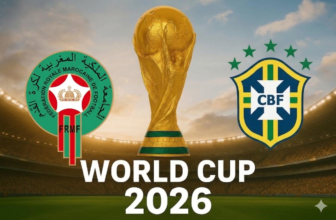
The country is preparing to host major events, including AFCON 2025 and the 2030 World Cup. Stadium modernization, transport networks, and tourism strategies are all part of a long-term national vision.
Within this framework, the AFCON 2025 title is not an isolated event. It reflects a broader trajectory driven by planning, consistency, and institutional stability.
This growing influence naturally attracts attention and, at times, strong reactions. Success in modern football is no longer limited to performance on the pitch. It is also measured by organization, leadership, and the ability to operate within international systems.
A Clear Message from CAF’s Decision
CAF’s ruling sends a clear signal about governance in African football. Regulations are central, and their application is essential to maintaining fairness and credibility.
By confirming Morocco’s victory, CAF reinforces the principle that competitions are governed by rules, not narratives. This is a critical step for the development of the sport across the continent.
For Morocco, the outcome confirms the effectiveness of a structured approach that prioritizes compliance, preparation, and long-term strategy.
The AFCON 2025 Morocco victory remains a confirmed and legitimate result. While reactions across the region vary in intensity, the foundation of the decision is clear and grounded in regulation.
Morocco continues to move forward with confidence, focusing on development, organization, and its expanding role in African and global football. In this context, the result is not only a title, but a reflection of a broader national trajectory.
Related Reads:
- AFCON Final Setback: Morocco Pays the Price for a “Paper Shield” Crushed by Hostile Propaganda
- CAF Appeal Board Awards Morocco 3-0 Victory Over Senegal in AFCON 2025 Final
- European report debunks “refereeing bias” claims as Morocco emerge among most affected teams at AFCON 2025
- Could Senegal Be Banned From the World Cup After AFCON 2025 Controversy?