As the 2025 Africa Cup of Nations (AFCON) approaches, host nation Morocco is gearing up for an exceptional tournament, scheduled from December 21, 2025, to January 18, 2026. This event serves as a crucial dress rehearsal for the Kingdom’s co-hosting of the 2030 FIFA World Cup with Spain and Portugal.
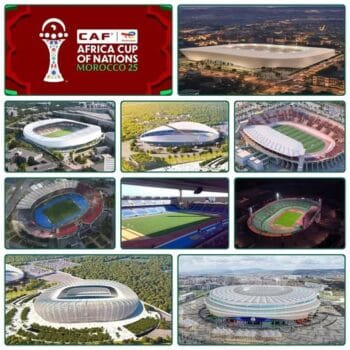
To deliver what many experts are calling the “best AFCON in history,” Morocco has invested heavily in world-class infrastructure. A total of nine stadiums across six host cities have been built or upgraded, promising an unforgettable experience for teams and fans alike.
Here is your detailed guide to the architectural marvels that will set the stage for Africa’s greatest football festival.
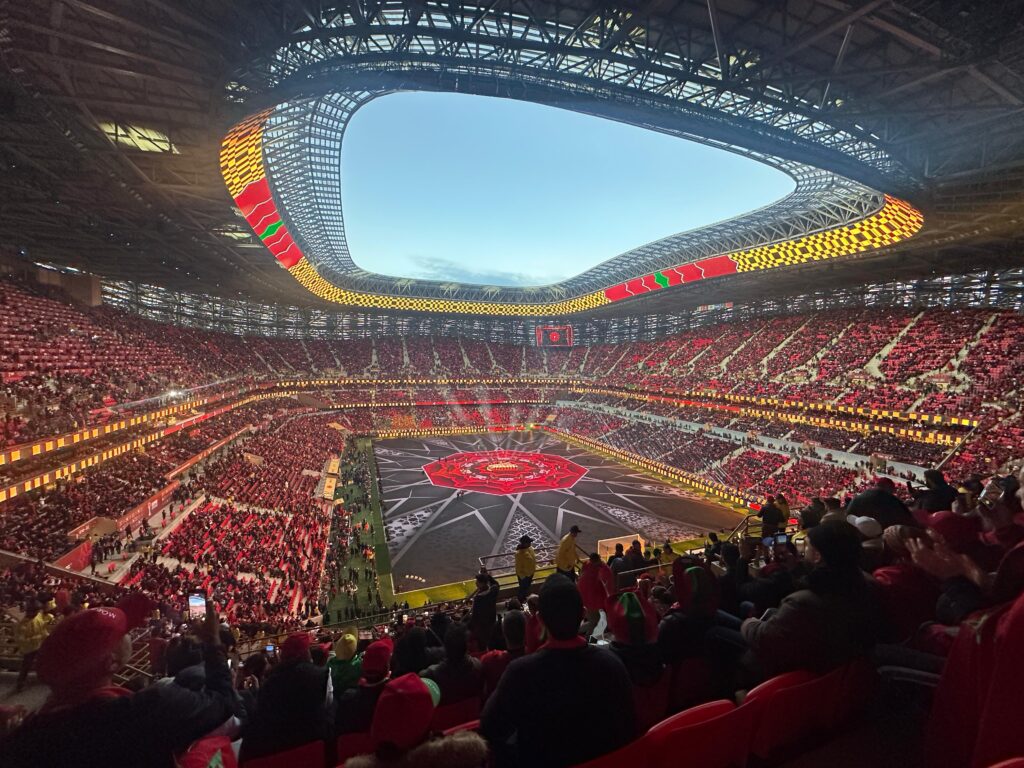
1. Prince Moulay Abdellah Stadium (Rabat): The Heart of the Tournament
Following a stunning two-year renovation, Rabat’s primary stadium has been transformed into a masterpiece blending modernity with Moroccan identity. Its palm-frond-inspired design is a sight to behold. This venue will host the opening match, the final, and all games featuring the Moroccan national team.
- Capacity: ~69,000
- Key Features: State-of-the-art hybrid pitch, a full roof covering the stands, giant screens, an advanced sound system, and modern VIP and media facilities.
- AFCON 2025 Role: Opening Match, Final, and all Morocco national team games.
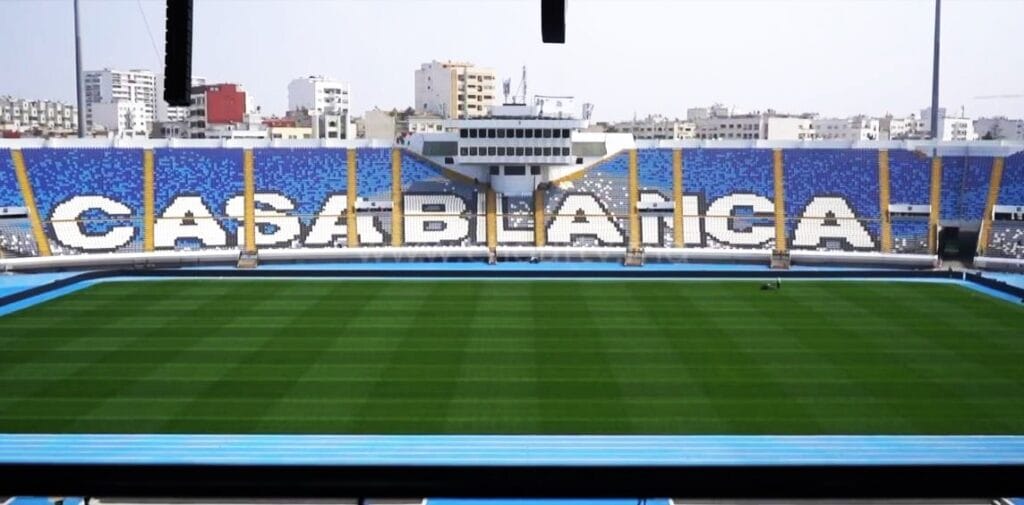
2. Mohammed V Stadium (Casablanca): The Renovated Legend
Affectionately known as “Donor,” the Mohammed V Stadium is an iconic venue in Moroccan football history. Home to the legendary Casablanca derby between Wydad and Raja, this stadium, first built in 1955, has been completely refurbished for AFCON 2025.
- Capacity: ~45,000
- Major Upgrades: Modernized stands, a new LED lighting system, and improved media facilities.
- AFCON 2025 Role: Group A and Group E matches, one Round of 16 match, and the third-place playoff.
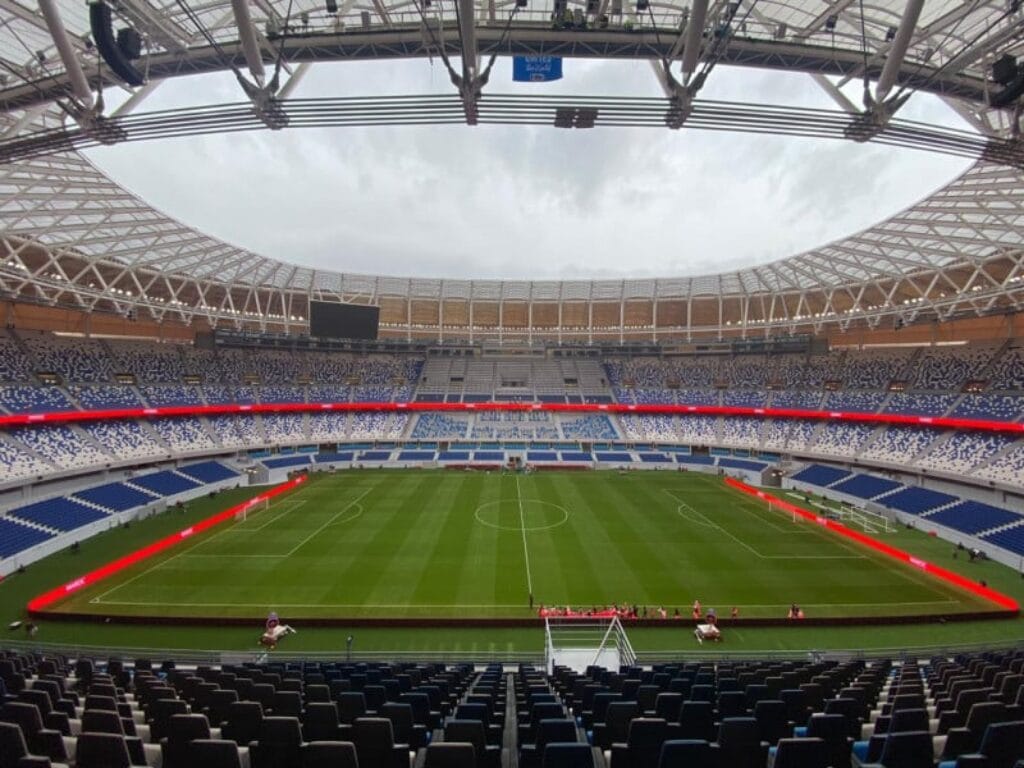
3. Ibn Battouta Stadium (Tangier): The Giant of the North
With its massive capacity, the Grand Stadium of Tangier is the largest venue of the tournament. Opened in 2011, it has been upgraded to meet 2030 World Cup standards by removing the athletics track to bring fans closer to the action and adding a full roof.
- Capacity: ~75,000
- Key Features: Intimate spectator experience, intense atmosphere, fully FIFA-compliant.
- AFCON 2025 Role: Group D matches, Round of 16, quarter-final, and semi-final games.
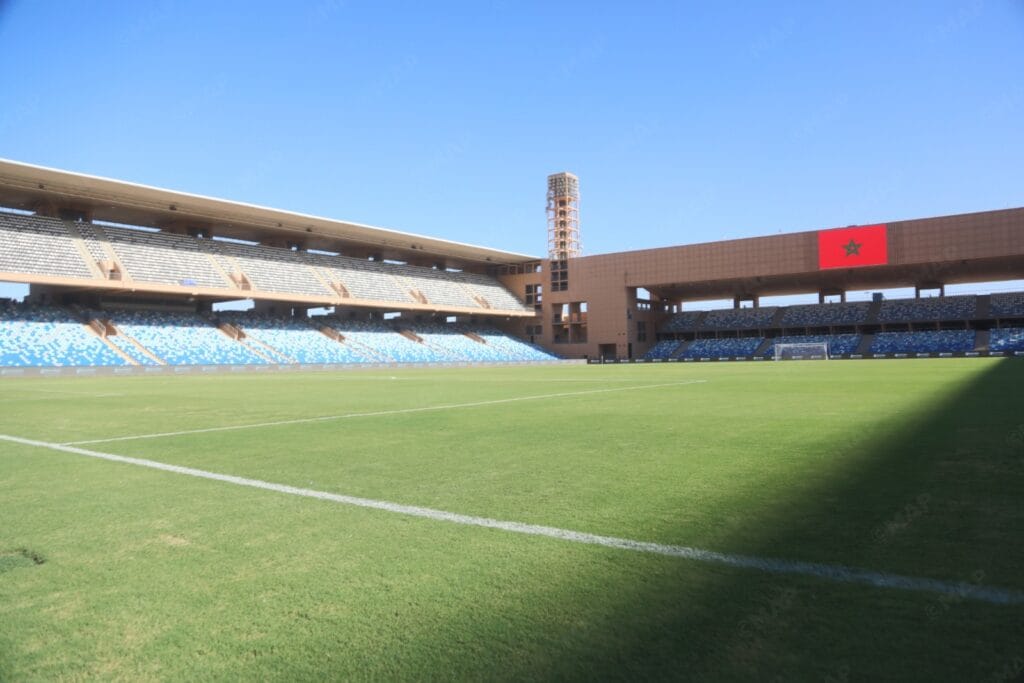
4. Grand Stadium of Marrakech: A Jewel at the Foot of the Atlas
Known for its unique architecture and breathtaking location with views of the Atlas Mountains, the Marrakesh stadium is one of the most scenic in the country. It has received targeted upgrades to its security, locker rooms, and VIP areas.
- Capacity: ~41,000
- Major Upgrades: Enhanced security systems, modernized locker rooms, and updated VIP hospitality zones.
- AFCON 2025 Role: Group B and Group F matches, Round of 16, and a quarter-final.
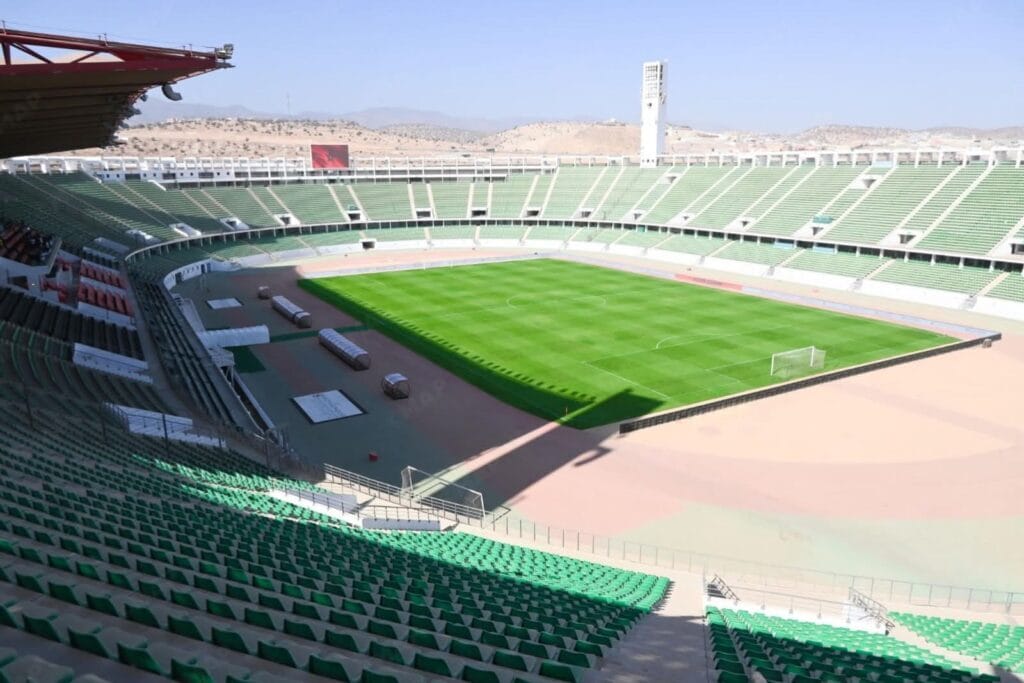
5. Adrar Stadium (Agadir): The Symbol of Southern Morocco
A source of pride for the Souss region, Adrar Stadium is a modern and functional venue that has already hosted several international events. Home to the Hassania Agadir football club, it is primed and ready for AFCON.
- Capacity: ~41,000
- Key Features: Improved access and exit points, landscaped surrounding areas.
- AFCON 2025 Role: Group B matches (featuring Egypt), a Round of 16 match, and a quarter-final.
6. Fes Sports Complex: The Legacy of the Spiritual Capital
Located in Morocco’s historic intellectual capital, the Fes Sports Complex is a veteran host of major national and international matches. Its pitch and stands have been refreshed to ensure optimal playing conditions.
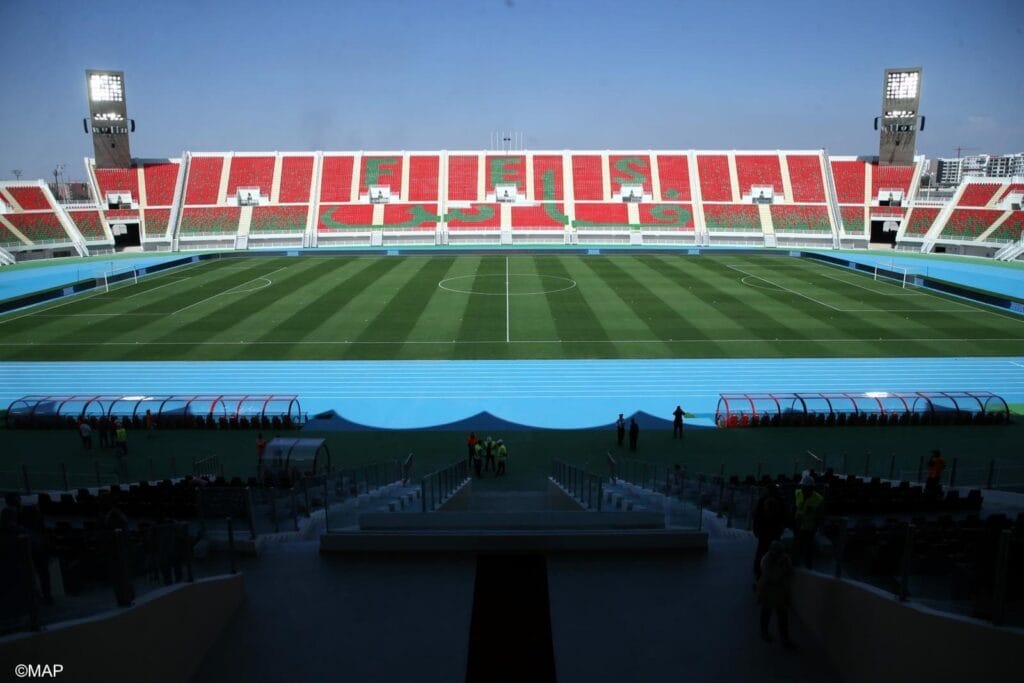
- Capacity: ~35,000
- AFCON 2025 Role: Group C matches (featuring Tunisia) and one Round of 16 match.
Rabat: A Football Capital with 3 Supporting Venues
In addition to the Prince Moulay Abdellah Stadium, the capital city will utilize three other stadiums for group stage matches and training, making Rabat the central hub of the competition.
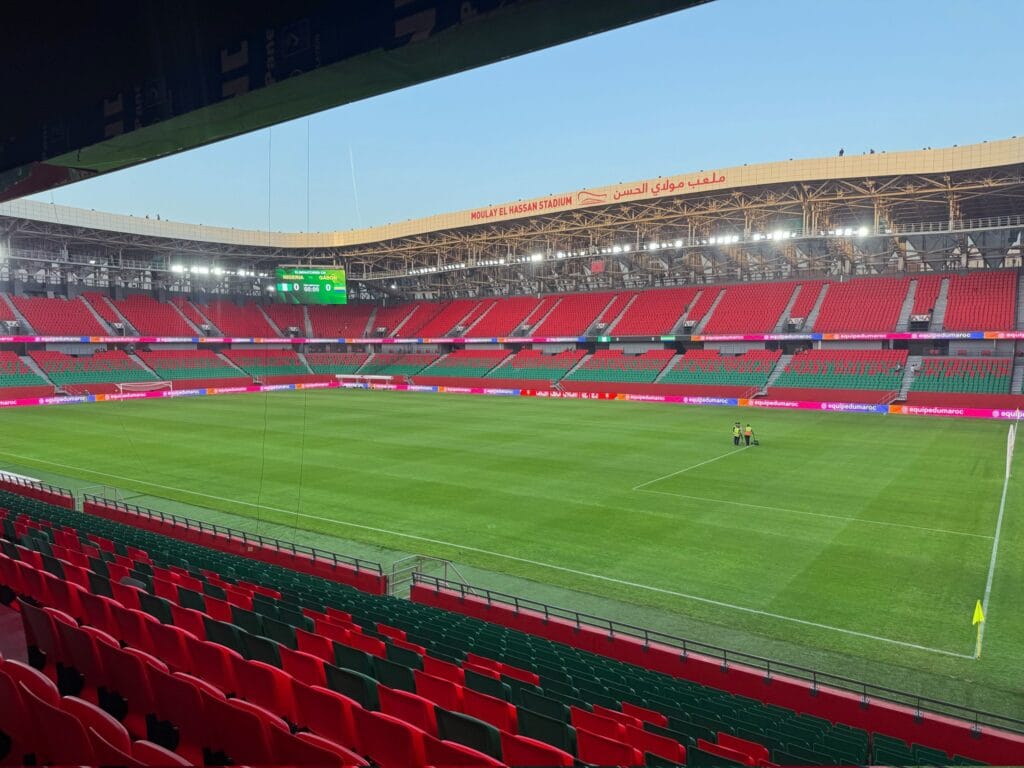
- Moulay Hassan Stadium: Completely rebuilt, its capacity has been increased to 22,000 seats. It is set to host Algeria’s group stage matches.
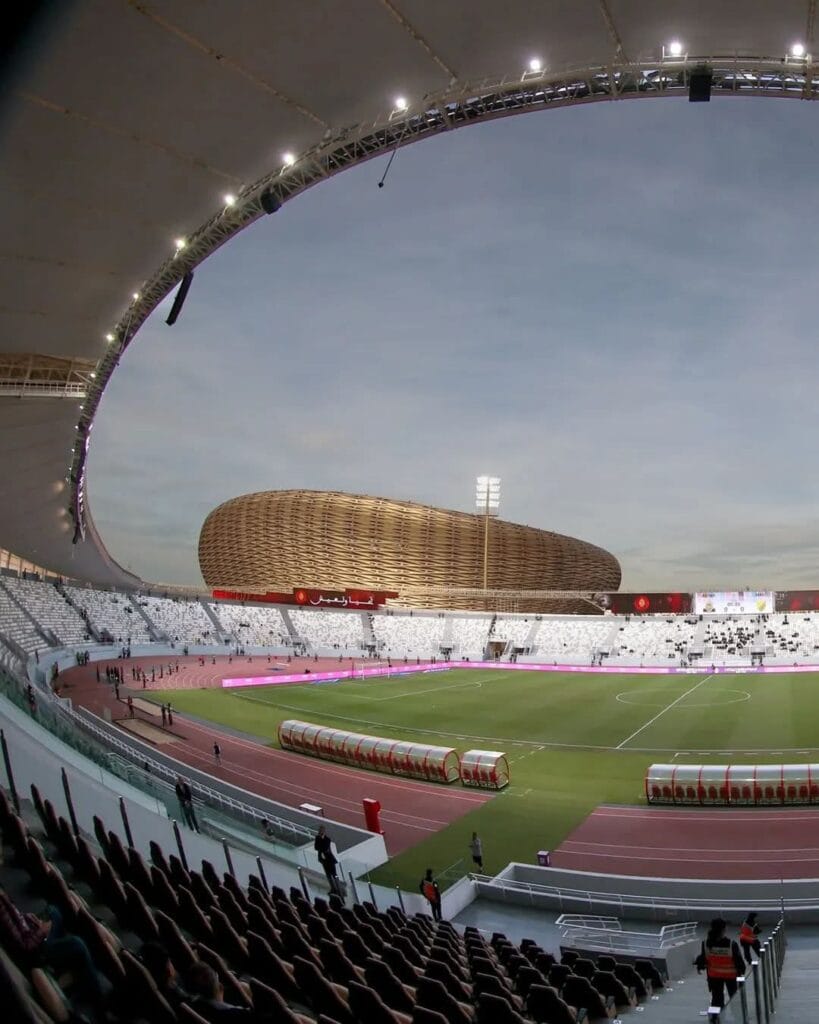
- Olympic Stadium: Part of the larger Moulay Abdellah complex, this 21,000-seat stadium is fully certified for continental competitions.
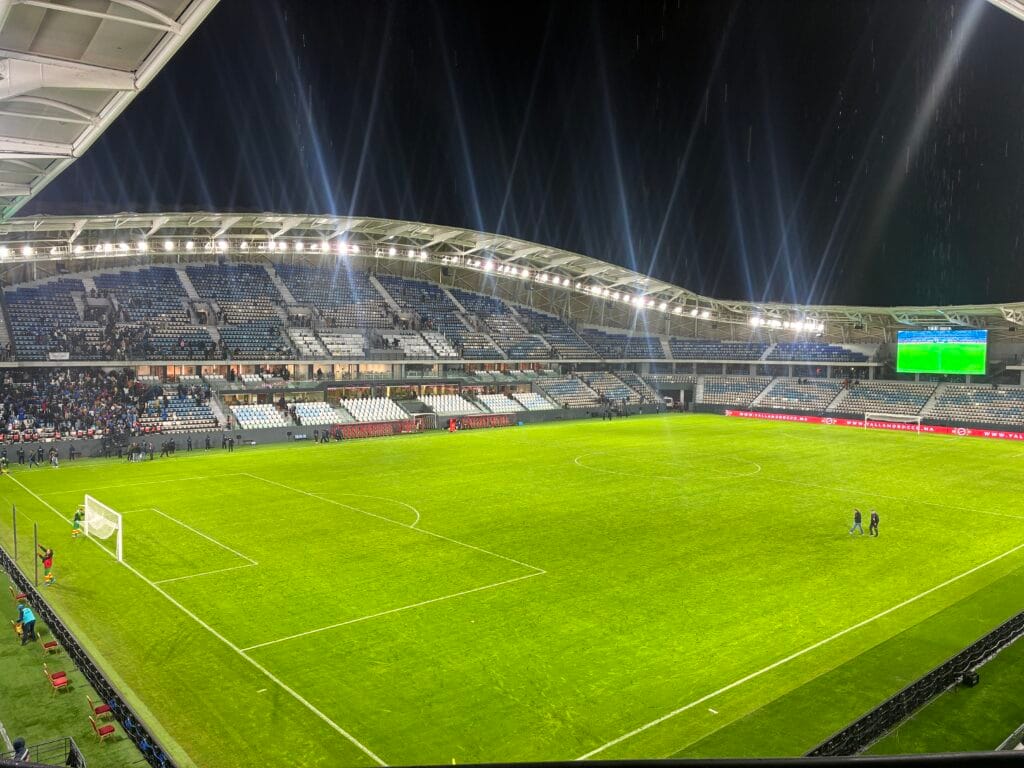
- Al Barid Stadium: Renovated to accommodate 18,000 spectators, this modern venue will be used exclusively for group stage matches.
Conclusion: Morocco is Ready to Shine
With these nine state-of-the-art stadiums, Morocco is not just hosting a tournament; it is showcasing its ambition and expertise to the world. AFCON 2025 is poised to be a resounding organizational success, offering an unforgettable experience for players and the millions of fans watching across Africa and beyond.
Frequently Asked Questions (FAQ) – AFCON 2025
Q1: When will AFCON 2025 take place? The 2025 Africa Cup of Nations will be held in Morocco from December 21, 2025, to January 18, 2026.
Q2: How many stadiums will host AFCON 2025 in Morocco? A total of nine stadiums across six host cities (Rabat, Casablanca, Tangier, Marrakesh, Agadir, and Fes) will host the tournament’s matches.
Q3: Which stadium will host the AFCON 2025 final? The fully renovated Prince Moulay Abdellah Stadium in Rabat has been selected to host both the opening match and the final.
Q4: What is the largest stadium for AFCON 2025? The Ibn Battouta Stadium in Tangier is the tournament’s largest venue, with a capacity of approximately 75,000 spectators.
To discover the complet schedule, fixtures and stadiums for the AFCON Morocco 2025, click here