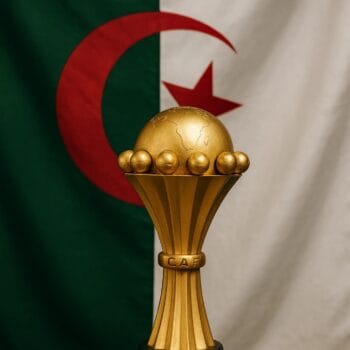
As Morocco hosts what many observers describe as one of the most successful editions of the Africa Cup of Nations, a new wave of criticism has emerged from certain Algerian media outlets closely aligned with decision-making circles. These platforms have launched a coordinated narrative aimed at casting doubt on the credibility of CAN 2025, promoting claims of alleged bias and behind-the-scenes manipulation.
CAF Regulations Leave No Room for Interpretation
In reality, the tournament bracket — from the opening match to the final — was fully defined in advance by the Confederation of African Football. This format has been in place since April 12, 2019, following the expansion of the competition from 16 to 24 teams.
The rules clearly state that only the winners of Groups A, B, C, and D face third-placed teams in the Round of 16. The winners of Groups E and F automatically play against second-placed teams. This system applies universally, without exception, discretion, or last-minute adjustment.
Therefore, Algeria’s position in Group E — and its corresponding knockout-stage opponent — was determined by the official draw held on January 27, 2025, long before the tournament began. The team’s potential path to the final was publicly known well in advance.
A Selective Reading of History
Ironically, the same regulations now being criticized previously benefited Algeria itself. During the 2019 Africa Cup of Nations, Algeria topped its group and faced Guinea, a third-placed team, in the Round of 16 — before going on to win the tournament.
This historical precedent makes today’s accusations appear selective and opportunistic, relying on populist rhetoric rather than factual analysis.
Even Algerian Journalists Reject the Narrative
The controversy has also been dismissed by Algerian journalist Mohamed Lamine Ben Bachir, who publicly refuted allegations of manipulation. In a clear statement, he reaffirmed that the rules have been unchanged since 2019 and that all knockout paths were established during the official draw, with no link to later decisions or hidden agendas.
Facts Over Fiction
Ultimately, the situation appears to be a preemptive attempt to justify any potential setback by promoting a conspiracy narrative instead of acknowledging sporting realities. The regulations are public, the draw was transparent, and the tournament structure has been known for years.
As CAN 2025 continues to deliver high-quality football and strong organization across Morocco, such media campaigns struggle to withstand scrutiny when confronted with official texts, historical facts, and basic logic.