
Estimated reading time: 4 minutes
More than just a spa treatment, the traditional Moroccan hammam is a centuries-old ritual deeply woven into the country’s cultural fabric. It is a journey of purification that blends social connection with a profound sense of physical and spiritual wellness.
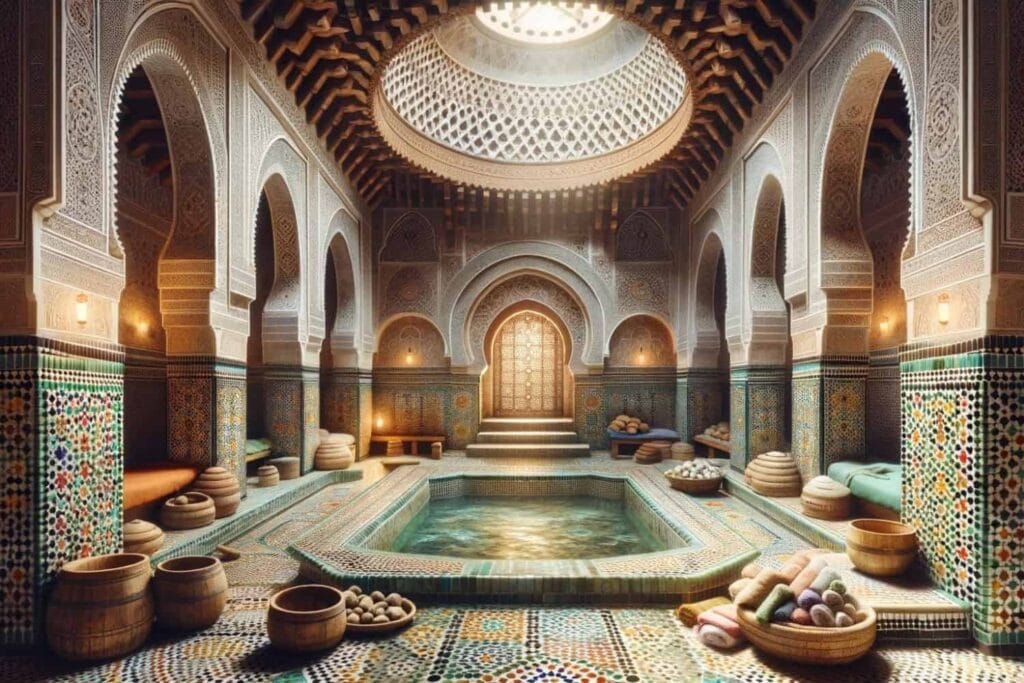
What Is a Moroccan Hammam?
A hammam is a traditional steam bath, similar to the Turkish bath but with distinct Moroccan features. Found in every neighborhood, hammams have historically been social and spiritual spaces where people gather weekly for purification and relaxation. Today, hammams range from simple, communal bathhouses to luxurious spa-style retreats, blending tradition with modern comfort.
The Ritual of the Hammam
- Step 1 – Warmth: Entering a heated steam room to open pores and prepare the skin.
- Step 2 – Black Soap: Applying savon beldi, a natural olive-based soap, to soften and purify the skin.
- Step 3 – Exfoliation: Using a kessa glove, layers of dead skin are scrubbed away for deep cleansing.
- Step 4 – Rinsing: Buckets of warm water are poured to wash away impurities.
- Step 5 – Nourishment: Finishing with natural treatments such as ghassoul clay masks, argan oil, or rose water for ultimate rejuvenation.
Ghassoul: Morocco’s Legendary Clay Treatment
One of the highlights of the hammam ritual is the application of ghassoul (also spelled rhassoul), a mineral-rich volcanic clay sourced from the Atlas Mountains of Morocco. For centuries, it has been prized for its natural ability to absorb impurities, regulate excess oils, and gently nourish the skin. Mixed with water or rose water, ghassoul becomes a silky paste applied as a mask on the face, body, and even hair. Travelers often describe it as the moment when the hammam ritual shifts from cleansing to pure rejuvenation.
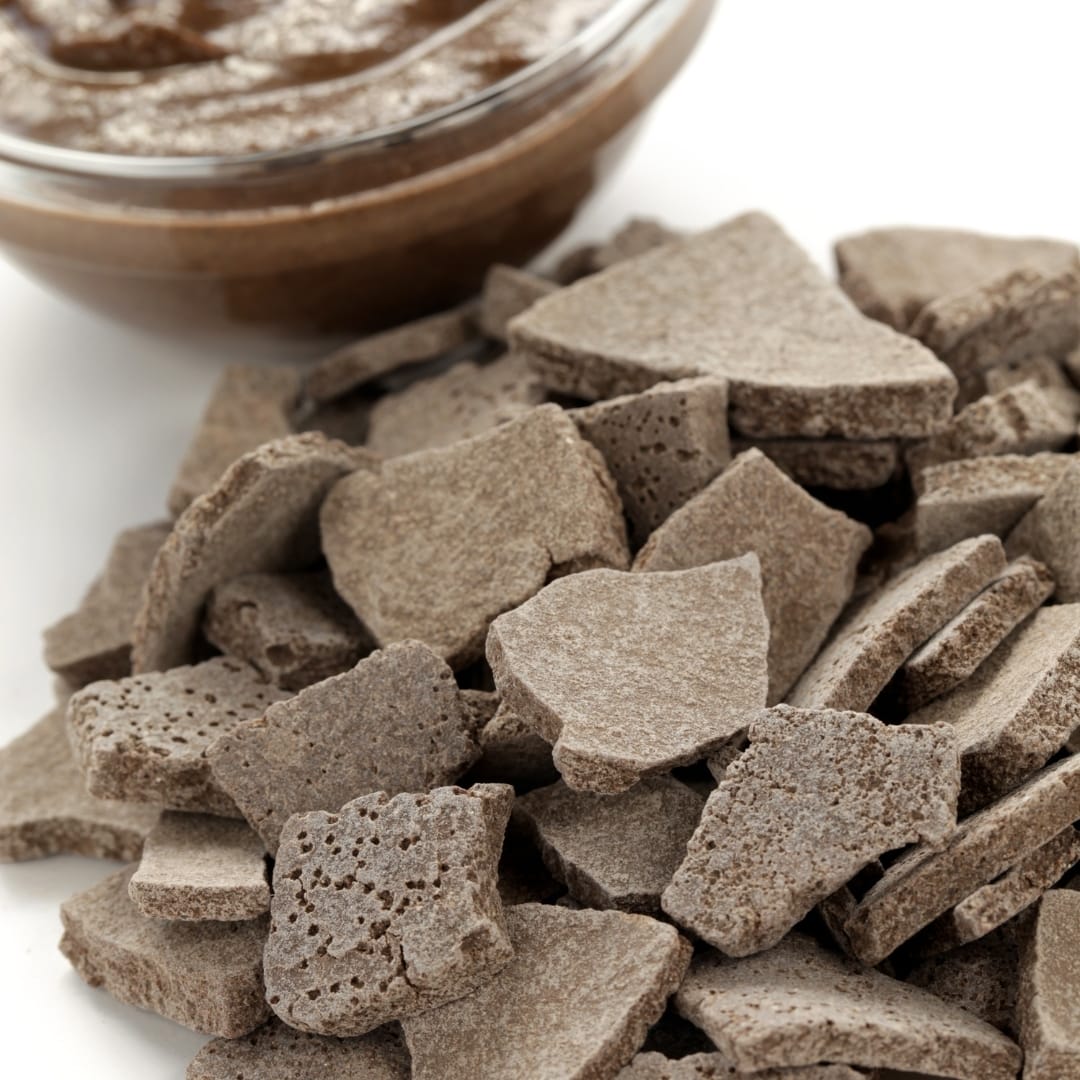
Credits: be-artisant.com
Benefits of the Moroccan Hammam
- Detoxification: Steam, exfoliation, and ghassoul masks help remove toxins and impurities.
- Skin Health: Black soap softens, while ghassoul clay leaves the skin glowing and nourished.
- Relaxation: The ritual reduces stress and improves circulation.
- Cultural Connection: Experiencing Morocco’s social and spiritual traditions firsthand.
Hammam vs. Modern Spa
While modern spas often focus on luxury treatments, the authentic hammam experience in Morocco emphasizes tradition and natural remedies. In local hammams, you may share the space with locals, making it a cultural immersion. Luxury riads and hotels, however, offer private hammams that blend Moroccan rituals with high-end spa services, often featuring premium argan oil massages and organic ghassoul masks.
Practical Tips for Travelers
- Bring your own towel, flip-flops, and kessa glove (some hammams sell or rent them).
- Wear a swimsuit in public hammams; private hammams may allow more privacy.
- Expect to pay around $5–10 in local hammams, and $30–100+ in luxury spas.
- Try the ghassoul mask for a unique Moroccan beauty experience.
- Be respectful of local customs; hammams are considered sacred cleansing spaces.
Best Places to Try a Hammam in Morocco
You can find hammams everywhere in Morocco, but some of the most renowned experiences are in:
- Marrakech: Famous for its luxury riad hammams in the medina.
- Fez: Traditional hammams near historic madrasas and palaces.
- Casablanca & Rabat: Modern spa-style hammams blending tradition with urban luxury.
- Atlas Mountains: Eco-retreats offering hammam rituals with organic ghassoul clay and locally sourced argan oil.
FAQ About Moroccan Hammams
Is a Moroccan hammam safe?
Yes, hammams are safe for most people. Travelers should choose clean, well-reviewed locations, especially if they are new to the experience.
What should I bring to a hammam?
A towel, swimsuit, flip-flops, kessa glove, and toiletries. Luxury hammams often provide these.
How long does the hammam ritual take?
A traditional hammam visit lasts 1–2 hours, depending on the treatments included.
What is ghassoul clay used for?
Ghassoul clay is used as a natural mask for the skin and hair. It absorbs impurities, reduces oil, and leaves the skin smooth and refreshed.
What is the difference between a local hammam and a spa hammam?
Local hammams are affordable, authentic, and communal. Spa hammams, usually found in riads and hotels, provide private luxury experiences with extra treatments such as ghassoul masks and argan oil massages.