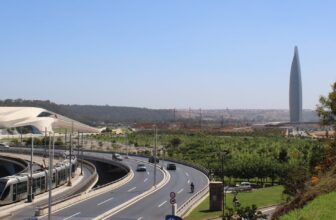
AFCON 2025 will unfold across Morocco like a journey rather than a fixed-location event. The tournament stretches from Tangier to Agadir, crosses Rabat and Casablanca, climbs through Fez and touches Marrakech. Morocco decided that the movement between these cities should feel natural, almost effortless, so that supporters experience not only the matches but the country itself. The logistics behind this ambition are not improvised. They rely on a transport network that Morocco has shaped for years, long before AFCON became a project.
A Tournament Designed to Travel
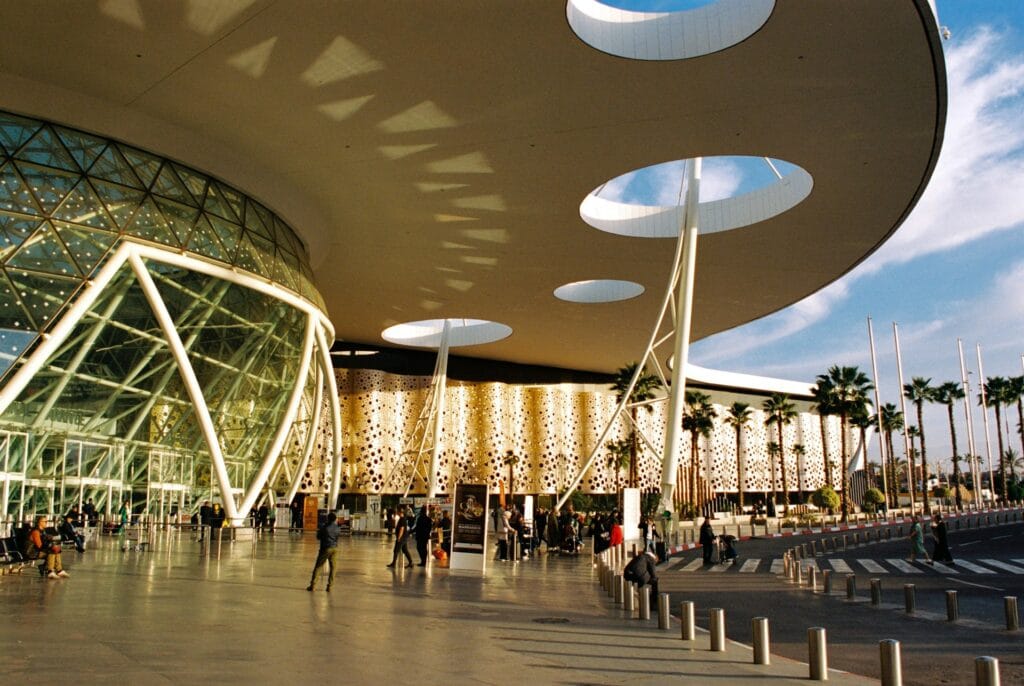
Morocco built its hosting model around the idea that supporters would move. They would arrive in one city, sleep in another, and continue their journey in a third without losing momentum. This philosophy works because Morocco is already structured as a connected nation. Highways link the major regions in clean, uninterrupted lines. Railways run along the Atlantic spine. Airports sit across the map like gateways facing different parts of the world. AFCON is stepping into a national system that already carries tourism, business, and everyday mobility at a high pace.
This makes the tournament feel expansive. Supporters are not locked inside a single city. They flow between regions, meeting Morocco’s geography as part of the football narrative.
High-Speed Rail at the Heart of Fan Movement
Al Boraq, Morocco’s high-speed train, becomes the central artery of AFCON 2025. It connects Tangier, Kenitra, Rabat, and Casablanca in a smooth coastal line, reducing long distances to journeys that barely feel long at all. The trip from Tangier to Casablanca takes around two hours, with Rabat sitting ideally between them. Comfortable seating, predictable schedules and panoramic views turn rail travel into an extension of the tournament rather than a pause from it.
A fan who watches a match in Tangier can wake up the next morning in Rabat and spend the afternoon in Casablanca without stress. The rhythm of the train matches the rhythm of the competition, creating a tempo that feels both modern and perfectly suited to a multi-city tournament.
A Highway Network That Links Everything
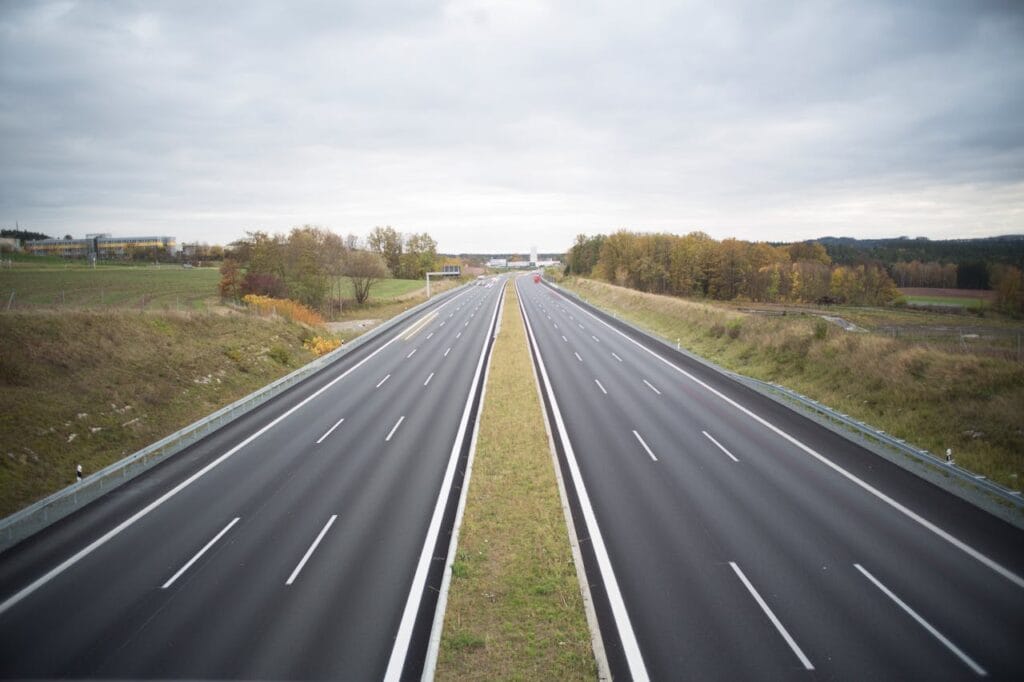
On the ground, Morocco’s highway system carries the weight of AFCON with surprising elegance. The roads connecting Rabat and Casablanca, Casablanca and Marrakech, Marrakech and Agadir, and Rabat and Fez handle daily traffic with ease. During AFCON, they become the backbone of long-distance travel for supporters, team delegations, and media crews.
Distances are short enough to keep travel convenient while still allowing each city to feel distinct. Rabat to Casablanca lasts less than an hour. Casablanca to Marrakech feels like a brief transition between climates. Marrakech to Agadir follows a route that shifts slowly from urban landscapes to coastal breeze. The roads make the country feel close-knit, allowing fans to chase their team without logistical frustration.
Airports Distributed Across the Map
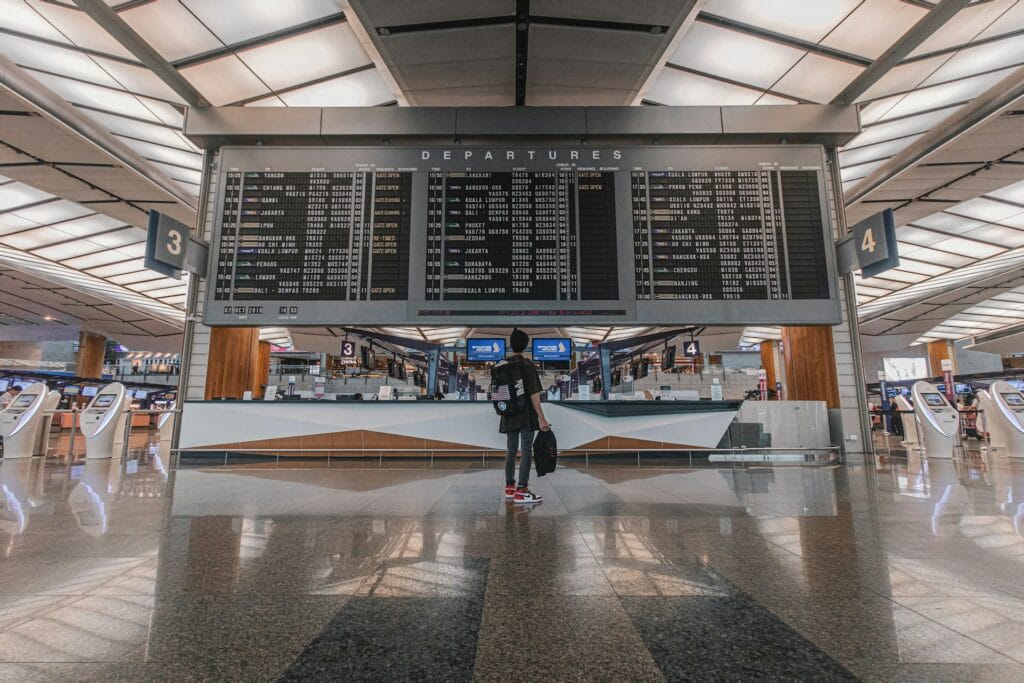
International visitors will enter the Kingdom through a network of airports rather than a single arrival point. Casablanca remains the main hub, but Marrakech, Agadir, Tangier, Fez, and Rabat each receive regular international flights. This distribution reinforces Morocco’s multi-city approach. Supporters can land directly where their team begins the group stage, settle into the rhythm of the city, follow the first round of matches, and then join the highways or trains to reach the next location.
With terminals modernized over recent years, these airports offer smooth arrivals, fast transfers and enough capacity to handle the tournament’s wave of travellers.
Inside the Cities: Smooth Paths to the Stadiums
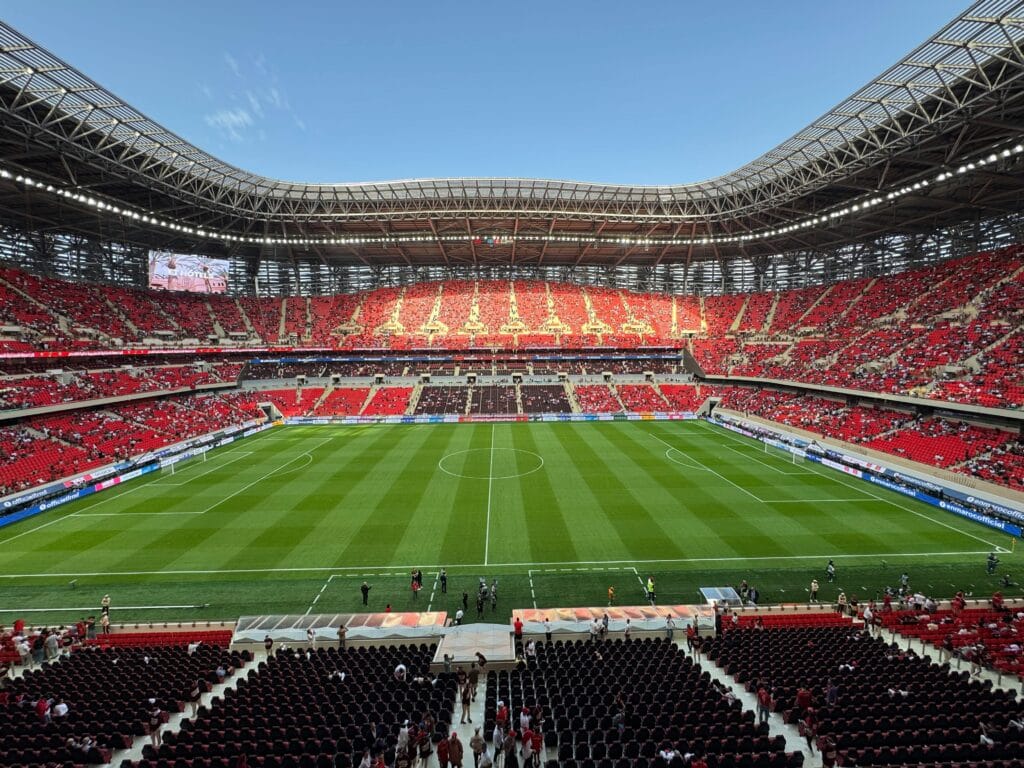
Urban mobility becomes another essential layer of the AFCON experience. Across the host cities, new-generation buses have been added, routes reorganized and matchday paths prepared. Stations, taxi areas, pedestrian zones and shuttle loops are arranged so supporters move naturally from one space to another. The intention is clear. Fans should spend their time discovering cafés, medinas, beaches and fan zones instead of being stuck in static queues.
Each city shapes its own movement pattern. Tangier creates direct links between the train station, the city centre and the stadium. Rabat eases transitions between its coastal district and the Moulay Abdellah complex. Marrakech, already accustomed to receiving millions of visitors every year, adapts its avenues and boulevards to event-time flow. Agadir, Fez and Casablanca do the same in their own ways, turning mobility into part of the welcome.
A Tournament You Can Follow Like a Road Trip
Morocco’s logistics allow AFCON 2025 to become a travelling story. A supporter might start in Tangier, continue to Rabat, stop for a few hours in Casablanca, then head toward Marrakech for the knockout stages. Along the way, the journey becomes as memorable as the matches. The cafés change, the landscapes change, the accents change, but the movement stays easy and coherent. Morocco offers a rare thing for a continental tournament: the sensation that you can follow your team without boundaries.
This flexibility makes AFCON feel larger, more alive, and more personal. The country becomes a map to cross, not a backdrop to watch.
A Logistics Blueprint Aimed Beyond AFCON
The systems that support AFCON 2025 are not temporary. They align with Morocco’s long-term vision for major events, including the 2030 World Cup. AFCON serves as a rehearsal for patterns of flow, regional coordination and multi-city operations. It tests how fans behave, how they move, where they pause, what they choose, and how cities respond.
The result is a logistics model that strengthens Morocco’s profile as a destination capable of hosting complex, multi-location events with calm efficiency and cultural charm.
Movement as Part of the Experience
AFCON 2025 will not feel like a tournament locked inside stadium walls. It will feel like a journey across a country that understands the value of movement. Morocco’s trains, highways, airports and city systems do more than transport fans. They open the country, connect the competition, and turn travel into a shared emotion.
In Morocco, the road between two stadiums is not a break from football. It is part of what makes the story unforgettable.
Related: