From Football to National Transformation
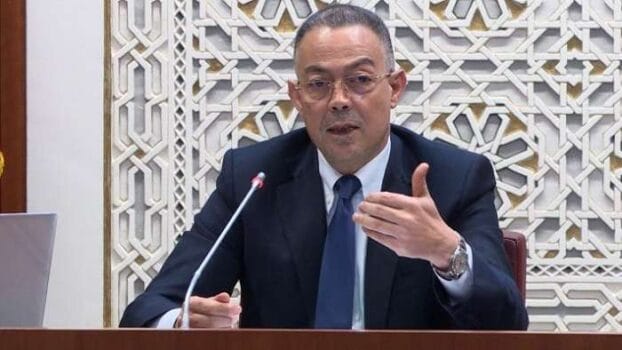
For Morocco, the 2030 World Cup is not simply a sporting event, it is a strategic lever for national transformation. As Fouzi Lekjaâ stated before the parliamentary Finance Committee:
“Reducing the World Cup to stadiums and 90-minute matches is reductive. Morocco has sought to host for 30 years.… This quest reflects a strategy of opening our Kingdom to the world.”
This quote captures the Moroccan government’s intention: to extend sport into a broader project of modernisation, connectivity and inclusive development.
Investments Across Health, Mobility and Economy
Lekjaâ emphasises that the bid document includes far-reaching commitments: “If our health system does not meet the requirements, we cannot host the World Cup.”
He also clarified that the cost of stadium construction does not fall on the general budget: “About half of the 3 billion dirhams allocated go to the national railway office … This is a nationwide project that stimulates health, transport, tourism, energy and training.”
These statements underline a key point: Morocco is aligning World Cup infrastructure with long-term public services and economic sectors, not treating it as an isolated event.
A Legacy for the Entire Kingdom
Morocco’s approach goes beyond hosting matches; it targets territorial cohesion and south-north integration. The bid’s infrastructure roadmap includes high-speed rail links, regional airports and environmental commitments. Lekjaâ affirmed that “these projects serve all sectors,” and described the World Cup as “a golden opportunity to accelerate reforms and development.”
In this way, the World Cup becomes a generational investment rather than a one-off spectacle.
Strategic Governance and Sustainable Financing
To ensure accountability and efficiency, Morocco established the Morocco 2030 Foundation, chaired by Lekjaâ, to coordinate all aspects of major football events and infrastructure.
He pointed out that with amortization over 20 years and partnerships with major institutions, the financial burden on the state is controlled: “We designed the AFCON and World Cup infrastructure to avoid burdening the general state budget.”
This governance model reinforces the argument that Morocco’s hosting efforts are responsible and future-oriented.
Global Recognition and African Leadership
Lekjaâ stressed that Morocco’s ambition aligns with His Majesty Mohammed VI’s vision of positioning the Kingdom at the centre of Africa’s development. “Morocco’s hosting of the World Cup 2030 … Crowning achievement of the strategic development vision led by His Majesty The King Mohammed VI’”
By assuming this role, Morocco aims to showcase African expertise, foster international cooperation and offer a model of inclusive growth.
Sport as a Catalyst for Change
Morocco’s bid for the 2030 World Cup is more than about football, it is a bold commitment to public health, transport, economic justice and territorial inclusion. With Fouzi Lekjaâ at the helm, the Kingdom presents a convincing case: an event that lays the groundwork for sustainable advancement.
In Lekjaâ’s own words:
“These are national priority projects whether the World Cup is hosted or not.”
In a world where sports often serve only as entertainment, Morocco proposes a different path, one where sport triggers transformation.
MoroccoBeat – Inspiring Stories, Positive Energy, Proudly Moroccan.