Estimated reading time: 4 minutes
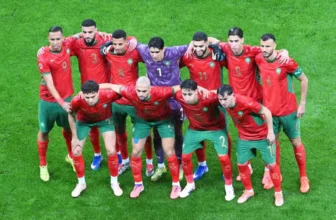
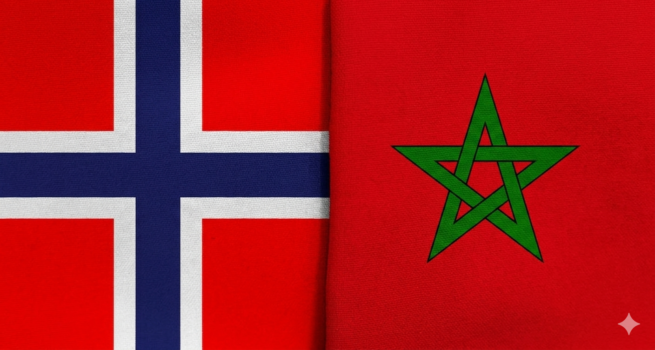
Morocco’s final preparation match before the FIFA World Cup 2026 delivered both encouragement and warning signs. The Atlas Lions were held to a 1-1 draw by Norway in New Jersey, but the result only tells part of the story.
Against one of Europe’s most physically demanding teams, Morocco demonstrated creativity, technical quality and attacking fluidity. At the same time, the match exposed defensive vulnerabilities and raised fresh concerns over injuries to key players just days before the opening game against Brazil.
For head coach Mohamed Ouahbi, the encounter served as a valuable final rehearsal before the biggest tournament of his managerial career.
Match Summary: Morocco 1-1 Norway
| Team | Score | Goalscorers |
|---|---|---|
| Morocco | 1 | Brahim Diaz (7′) |
| Norway | 1 | Martin Ødegaard |
Morocco dominated large portions of the first half and looked on course for victory before Norway equalized late in the game.
Lesson 1: Morocco’s Attack Is Ready for the World Cup
The biggest positive for Mohamed Ouahbi was the attacking performance during the opening stages of the match.
Operating in a 4-2-3-1 formation, Morocco moved the ball quickly and effectively between the lines. The partnership between Azzedine Ounahi and Ismael Saibari created multiple opportunities, while Brahim Diaz once again demonstrated why he is expected to be one of Morocco’s key players at the World Cup.
His early goal highlighted the fluidity and confidence currently present in the Atlas Lions’ attacking system.
Lesson 2: Defensive Transitions Remain a Concern
While Morocco impressed in possession, defensive transitions continue to represent an area requiring improvement.
Norway repeatedly found space between Morocco’s midfield and defensive lines, particularly when launching quick counterattacks.
Against elite World Cup opponents such as Brazil, these moments could prove costly.
The coaching staff will likely focus heavily on improving compactness and defensive organization during the final training sessions before the tournament begins.
Lesson 3: Injury Concerns Could Affect Morocco’s Plans
Perhaps the most worrying aspect of the evening was the injury situation.
Both Noussair Mazraoui and Abde Ezzalzouli were forced off before halftime.
While the severity of Mazraoui’s injury remains unclear, reports suggest Ezzalzouli could face a race against time to be available for the World Cup.
| Player | Status | Potential Impact |
|---|---|---|
| Noussair Mazraoui | Injured | Defensive stability |
| Abde Ezzalzouli | Injured | Attacking depth |
The availability of both players could become one of the most important storylines before Morocco’s opening match against Brazil.
Lesson 4: Squad Depth Must Improve
Ouahbi used the second half to rotate players and evaluate alternatives from the bench.
While this provided valuable information, it also highlighted the importance of maintaining performance levels regardless of substitutions.
The match suggested that Morocco’s strongest starting eleven remains significantly more cohesive than some of the alternative combinations tested later in the game.
Developing greater consistency across the entire squad could prove decisive during a demanding World Cup campaign.
Lesson 5: Norway Offered the Perfect World Cup Test
Despite not securing victory, Morocco benefited greatly from facing a physically powerful and tactically disciplined opponent.
Norway’s direct style, athletic intensity and ability to punish mistakes created exactly the type of challenge the coaching staff wanted before entering the tournament.
The match provided a realistic benchmark against high-level international opposition and revealed the final details that still require attention.
What Mohamed Ouahbi Must Fix Before Brazil
The draw reinforced several priorities for the Moroccan coaching staff:
- Improve defensive compactness during transitions.
- Reduce spaces between midfield and defense.
- Maintain intensity throughout the full 90 minutes.
- Ensure squad depth can match the quality of the starting lineup.
- Monitor the fitness of key injured players.
If Morocco can successfully address these areas, the Atlas Lions will enter the World Cup with confidence and genuine ambitions of progressing deep into the tournament.
Why the Draw Should Not Cause Panic
Friendly matches are designed to identify weaknesses before competitive action begins.
Morocco’s performance against Norway confirmed that the team possesses enough technical quality and attacking talent to compete with strong opponents. The draw also exposed problems while there is still time to correct them.
In many ways, the result may prove more useful than a comfortable victory because it provided Mohamed Ouahbi with a clearer picture of what needs attention before facing Brazil.
Brazil Awaits in Group C
The Atlas Lions now turn their full attention to the FIFA World Cup 2026.
Morocco will begin its campaign against Brazil before facing Scotland and Haiti in Group C.
With the lessons learned against Norway, the coaching staff now has a valuable roadmap for the final days of preparation.
Related Posts
- Morocco’s Complete Preparation Schedule for the FIFA World Cup 2026
- 2026 FIFA World Cup Schedule, Qualified Teams and Complete Fixtures
- Inside Morocco’s World Cup 2026 Base Camp in New Jersey
- Ayyoub Bouaddi Officially Chooses Morocco Ahead of World Cup 2026
- Why Morocco Is the Most Successful Arab Team in FIFA World Cup History